
When & Why You Need Tooth Extraction for Orthodontic Treatment
Understanding the Timing and Reasons for Tooth Extractions in Orthodontic Care

Introduction to orthodontic treatment
Orthodontic treatment is a specialized branch of dentistry that focuses on correcting misaligned teeth and jaw abnormalities. It involves using various appliances, such as braces, clear aligners, and retainers, to move teeth into their proper positions gradually. This not only enhances the appearance of your smile but also improves your overall oral health and function.
What is tooth extraction in orthodontics?
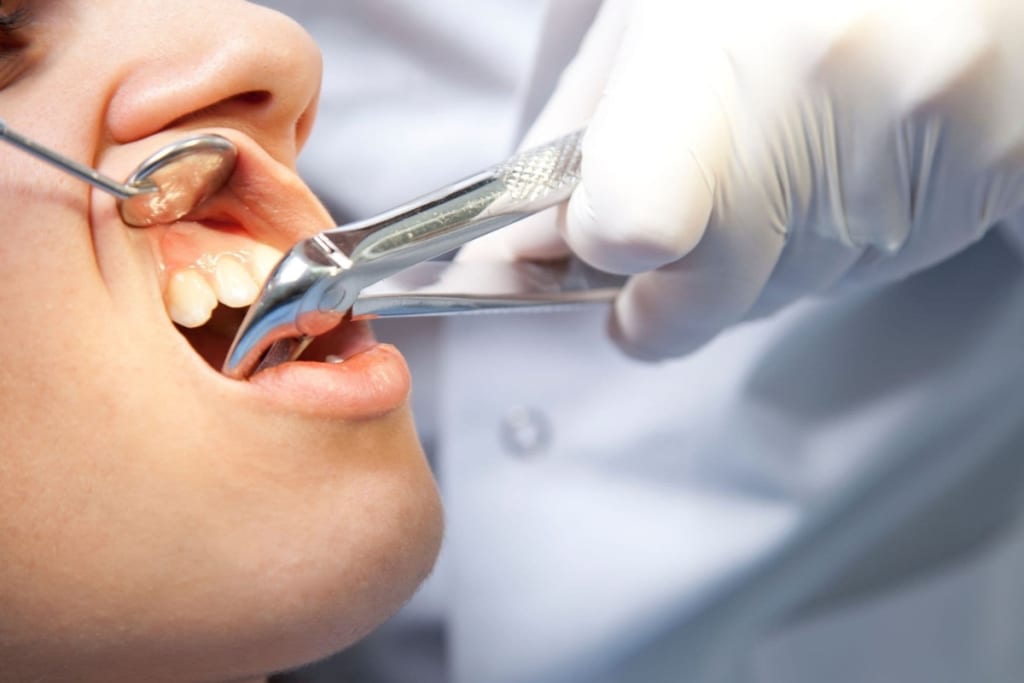
Tooth extraction in orthodontics is the process of removing one or more teeth from the mouth. This procedure may sometimes be necessary to create space to adequately align the remaining teeth or correct severe crowding or bite issues.
When is tooth extraction necessary for orthodontic treatment?
There are several situations where tooth extraction may be recommended as part of orthodontic treatment:
1) Severe Crowding: If your jaw is too small to accommodate all your teeth, extracting a few teeth can create space for the remaining teeth to be correctly aligned.
2) Impacted Teeth: When a tooth fails to erupt fully or is trapped beneath the gum or other teeth, it may need to be extracted to prevent further complications and allow for proper orthodontic treatment.
3) Bite Problems: In severe overbite, underbite, or crossbite, tooth extraction may be necessary to correct the bite and achieve a functional and aesthetic result.
4) Supernumerary Teeth: Some individuals may have extra teeth, known as supernumerary teeth, which can cause crowding and misalignment. Extracting these extra teeth can help create space for proper tooth alignment.
Benefits of tooth extraction in orthodontics
While the prospect of tooth extraction may seem daunting, it can offer several benefits in the context of orthodontic treatment:
1) Improved Tooth Alignment: By creating space in the mouth, tooth extraction allows for better alignment of the remaining teeth, leading to a more attractive and functional smile.
2) Reduced Treatment Time: In some cases, extracting teeth can shorten the overall duration of orthodontic treatment, eliminating the need for extensive tooth movement or jaw surgery.
3) Healthier Bite: Correcting bite issues through tooth extraction can improve chewing function, reduce wear on teeth, and prevent future dental problems.
4) Enhanced Facial Aesthetics: In some instances, tooth extraction can help achieve a more balanced and harmonious facial appearance by addressing protrusion or overcrowding.
Common misconceptions about tooth extraction for orthodontics
Despite its benefits, tooth extraction for orthodontic treatment is often met with misconceptions and concerns. Here are some common myths and the facts:
1) Myth: Tooth extraction will leave gaps or spaces in your smile. Fact: After tooth extraction, the remaining teeth are repositioned to close gaps, resulting in a seamless and attractive smile.
2) Myth: Tooth extraction is painful and traumatic. Fact: Modern dental techniques and anesthesia make tooth extraction relatively comfortable and straightforward.
3) Myth: Tooth extraction weakens the jaw or causes premature aging. Fact: When performed by a skilled orthodontist, tooth extraction does not compromise jaw strength or cause premature aging.
How orthodontists determine the need for tooth extraction
Determining the need for tooth extraction is a carefully considered decision by your orthodontist after a comprehensive evaluation. The process typically involves:
1) Dental Examination: Your orthodontist will thoroughly examine your teeth, jaw, and bite to assess the overall condition and identify potential issues.
2) Diagnostic Records: X-rays, photographs, and digital scans provide detailed information about your teeth's position and alignment, enabling your orthodontist to plan the treatment approach.
3) Facial and Dental Analysis: Your orthodontist will analyze your facial features, jaw structure, and dental proportions to determine the most appropriate treatment plan, which may involve tooth extraction.
4) Consultation and Discussion: Your orthodontist will discuss the treatment options with you, explaining tooth extraction's benefits and potential drawbacks and addressing any concerns.
The process of tooth extraction for orthodontic treatment
If tooth extraction is deemed necessary for your orthodontic treatment, the process typically involves the following steps:
1) Pre-Extraction Preparation: Your orthodontist will provide instructions on preparing for the extraction, such as taking any necessary medications or following specific dietary guidelines.
2) Anesthesia: Local anesthesia will be administered to numb the area around the tooth or teeth being extracted, ensuring a comfortable and pain-free procedure.
3) Tooth Extraction: Your orthodontist or oral surgeon will carefully remove the designated tooth or teeth from the socket using specialized instruments.
4) Post-Extraction Care: After the extraction, you will receive detailed instructions on how to care for the extraction site, manage any discomfort, and promote proper healing.
5) Orthodontic Treatment Continuation: Once the extraction site has healed, your orthodontist will continue with the planned orthodontic treatment, such as braces or clear aligners, to guide the remaining teeth into their proper positions.
Recovery and aftercare following tooth extraction
Proper recovery and aftercare are essential for a smooth and successful healing process following tooth extraction. Here are some important considerations:
1) Pain Management: Your orthodontist may prescribe over-the-counter or prescription pain medication to help manage discomfort during the initial recovery period.
2) Bleeding and Swelling Control: Apply gentle pressure with gauze to the extraction site to control bleeding, and use cold compresses to minimize swelling.
3) Dietary Restrictions: Stick to a soft or liquid diet for the first few days after the extraction, and avoid hot or crunchy foods that could irritate the extraction site.
4) Oral Hygiene: Maintain good oral hygiene by gently brushing and flossing the remaining teeth, but avoid disturbing the extraction site directly.
5) Follow-up Appointments: Attend any scheduled follow-up appointments with your orthodontist to monitor the healing process and ensure proper recovery.
Finding an orthodontist in Dallas for tooth extraction
Suppose you reside in Dallas and require tooth extraction for your orthodontic treatment. In that case, finding a skilled and experienced orthodontist is crucial. Here are some tips to help you in your search:
1) Ask for Referrals: Consult with your general dentist or friends and family members who have undergone orthodontic treatment for recommendations on reputable orthodontists in Dallas.
2) Check Credentials and Experience: Look for board-certified orthodontists with extensive experience performing tooth extractions for orthodontic purposes.
3) Read Online Reviews: Visit online review platforms and the orthodontist's website to read testimonials from previous patients about their experiences with the practice.
4) Consider Office Location and Accessibility: For easier accessibility, choose an orthodontist whose office is conveniently located near your home or workplace.
5) Please schedule a Consultation: Once you have narrowed your options, schedule consultations with potential orthodontists to discuss your specific needs and better understand their approach to tooth extraction and orthodontic treatment.
If you are in the Dallas area and considering orthodontic treatment that may involve tooth extraction, we invite you to schedule a consultation with our experienced Team at [Your Practice Name]. Our skilled orthodontists will thoroughly evaluate your case and provide a personalized treatment plan tailored to your needs. Don't hesitate to contact us today to take the first step towards achieving a beautiful, healthy smile.
Conclusion: The importance of tooth extraction in orthodontic treatment
While the prospect of tooth extraction may seem daunting, achieving successful orthodontic treatment outcomes is often necessary. By creating space and correcting bite issues, tooth extraction can pave the way for proper tooth alignment, improved oral function, and a more aesthetically pleasing smile.
Remember, tooth extraction is a carefully considered decision made by your orthodontist after a comprehensive dental and facial structure evaluation. With modern techniques and proper aftercare, the process can be comfortable and straightforward.
If you are considering orthodontic treatment and have concerns about tooth extraction, don't hesitate to discuss them with your orthodontist. They will provide all the necessary information and guidance to help you make an informed decision about your treatment plan.
By partnering with a skilled and experienced orthodontist in Dallas, you can journey towards a beautiful, healthy smile that will boost your confidence and overall well-being.
About the Creator
Elvebak Orthodontics
Elvebak Orthodontics is a leading orthodontic practice with two convenient locations in Dallas and Plano. They specialize in providing high-quality orthodontic treatments for patients of all ages, from children to adults.
Enjoyed the story? Support the Creator.
Subscribe for free to receive all their stories in your feed.
Comments
There are no comments for this story
Be the first to respond and start the conversation.