
Wheeled Gantry Cranes for Indoor vs. Outdoor Use: Key Differences
Selecting the Right Crane for Your Operation
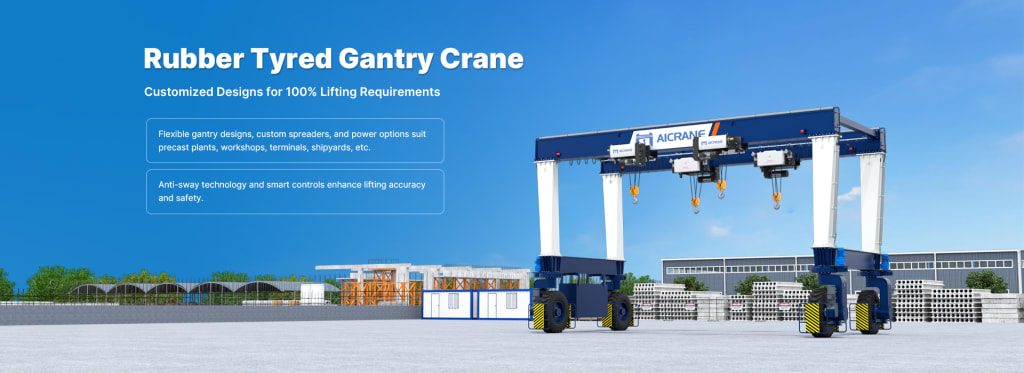
Wheeled gantry cranes are versatile lifting solutions that can be found in a wide range of industries, from shipping ports and warehouses to construction sites and manufacturing plants. Their design allows them to transport heavy loads across both indoor and outdoor environments, making them a popular choice for material handling tasks. However, the use of wheeled gantry cranes in indoor and outdoor settings comes with a distinct set of challenges, operational differences, and advantages.
In this article, we’ll explore the key differences between wheeled gantry cranes used indoors and outdoors, covering aspects such as design, capacity, mobility, environmental conditions, safety, and maintenance requirements. Understanding these differences will help businesses make the right decision when selecting a gantry crane for specific applications.
1. Design and Structural Considerations
The structural design of a wheeled gantry crane plays a crucial role in determining its suitability for indoor versus outdoor use. While both types of cranes share a similar fundamental structure, certain design elements are tailored to optimize performance for different environments.
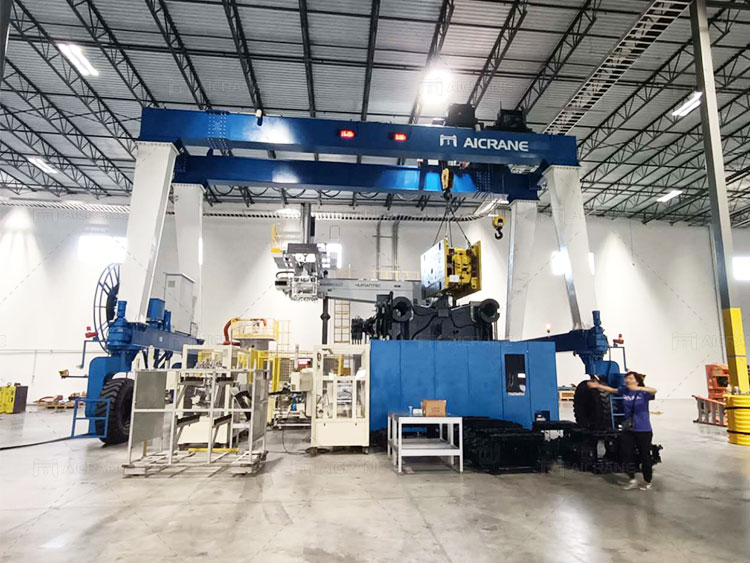
Indoor Gantry Cranes:
Indoor gantry cranes typically have a more compact design, as they are used within confined spaces such as warehouses, factories, and assembly lines. These cranes often feature smaller wheels and less ground clearance to operate effectively within indoor environments where space can be limited. They are designed to navigate flat, smooth floors, which means the wheel system is optimized for lighter-duty applications with precise movements.
Additionally, indoor wheeled gantry cranes are built with an emphasis on low noise and minimal vibrations, which are important for creating a comfortable working environment, especially in industries like electronics and pharmaceuticals.
Outdoor Gantry Cranes:
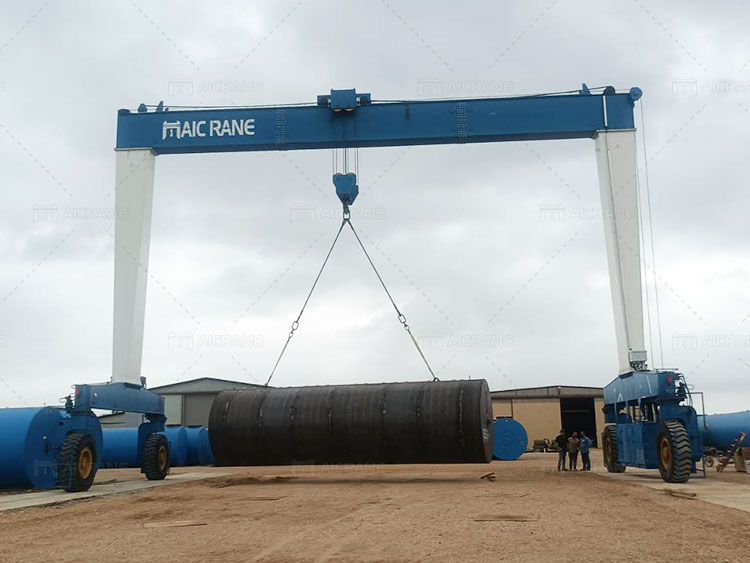
Outdoor gantry cranes, on the other hand, are typically built with more robust frames and larger wheels. These cranes are designed to handle harsher environments where they may need to operate on uneven surfaces, such as construction sites, shipyards, and ports. The structural components of outdoor gantry cranes are often made from corrosion-resistant materials to withstand the elements, such as rain, snow, or exposure to saltwater in coastal areas.
To handle the demands of outdoor use, these cranes also tend to have higher ground clearance and heavy-duty tires to ensure they can navigate rough and irregular terrains. The wheels may be designed for better traction and stability on soft ground or gravel, which are typical in outdoor settings.
2. Mobility and Maneuverability
Wheeled gantry cranes are prized for their mobility, but the level of maneuverability varies significantly between indoor and outdoor models.
Indoor Gantry Cranes:
Indoor gantry cranes are designed for smooth, controlled movements within a structured environment. Their wheels are often smaller and optimized for tighter spaces, ensuring the crane can maneuver with precision in narrow aisles, production lines, or small warehouses. Indoor cranes often use a single track or set of rails, which allows them to move along a fixed path with minimal risk of derailing. In many cases, they may also be equipped with remote control systems for ease of operation and precise handling in confined areas.
Indoor gantry cranes are ideal for tasks where limited horizontal movement is required, such as lifting materials from one location to another within a warehouse or assembling components on a production line.
Outdoor Gantry Cranes:
In contrast, outdoor gantry cranes need to be more versatile in their mobility, as they often have to traverse longer distances and work in open, unpredictable environments. Many outdoor gantry cranes come with a multiple-wheel system that ensures stability over uneven surfaces. The larger wheels provide better support for the crane, allowing it to move over rough terrain or navigate slopes.
Outdoor cranes may also feature more advanced steering systems, including 360-degree rotation or multi-directional drive mechanisms, which allow the crane to maneuver around obstacles such as construction materials, piles of dirt, or other equipment. This increased mobility makes outdoor gantry cranes suitable for use in large areas like construction sites, ports, and industrial yards, where movement flexibility is crucial.
3. Capacity and Load Handling
Both indoor and outdoor wheeled gantry cranes are capable of lifting heavy loads, but the weight capacities and load handling capabilities can differ significantly based on the operational environment.
Indoor Gantry Cranes:
Indoor gantry cranes are typically used for lighter to medium-duty tasks. Their load capacities range from a few tons to around 50 tons, depending on the specific needs of the facility. Since indoor spaces often have well-maintained, flat floors, the cranes can be built to lift heavy materials without needing additional support or reinforcement for the structure.
Indoor cranes are typically used for applications such as material handling within factories, loading and unloading goods within warehouses, or lifting components on assembly lines. These cranes are built to handle precise, repetitive tasks rather than large, bulky loads.
Outdoor Gantry Cranes:
Outdoor wheeled gantry cranes are designed to handle much heavier loads. They typically have load capacities that range from 50 tons to over 500 tons, depending on the specific model and application. This makes them ideal for heavy-duty tasks like lifting shipping containers in port yards, handling large construction materials, or hoisting oversized industrial equipment.
Outdoor cranes must be engineered with extra support and reinforced components to handle these heavy weights while maintaining stability during lifting operations. Furthermore, outdoor gantry cranes often feature variable load distribution and enhanced load control systems to ensure the safe and efficient lifting of large, cumbersome items.
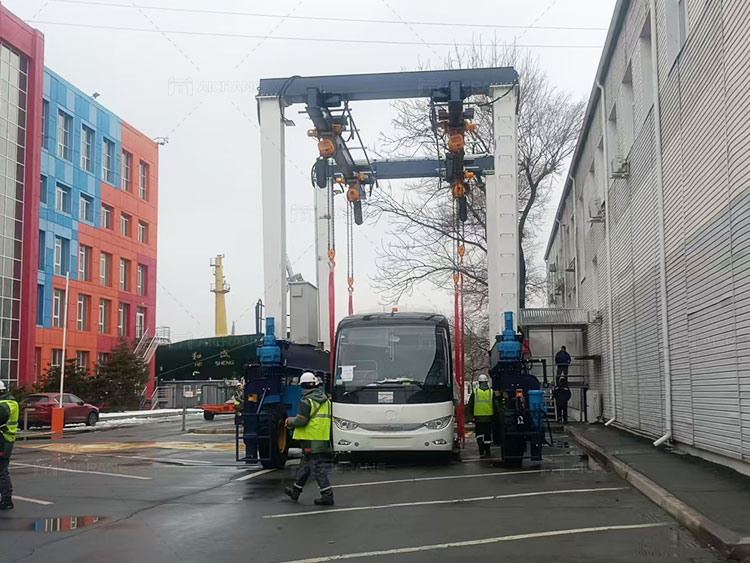
4. Environmental Considerations
The environment in which a gantry crane operates has a significant impact on its performance and longevity. Both indoor and outdoor gantry cranes face different environmental factors that must be accounted for in their design and usage.
Indoor Gantry Cranes:
Indoor cranes are generally protected from harsh environmental elements, such as rain, extreme temperatures, or high winds. This allows for a greater degree of control over operating conditions, with less concern for weather-related disruptions. However, the indoor environment may present challenges such as confined spaces, temperature control, and ventilation. For example, operating in high-temperature or low-humidity areas could impact the crane’s materials, especially the wheels and electrical components.
Outdoor Gantry Cranes:
Outdoor cranes, conversely, are subject to a variety of weather conditions, including rain, snow, wind, and extreme temperatures. To withstand these elements, outdoor gantry cranes are often equipped with specialized coatings and weather-resistant materials to prevent corrosion and rust. Additionally, outdoor cranes are built with stronger structural elements, such as reinforced frames and larger, more durable wheels, to handle the wear and tear caused by environmental factors.
These cranes may also include weatherproof electronics and enhanced braking systems to ensure that they remain operational and safe under adverse weather conditions. Operators must also consider factors like wind speed and temperature extremes when using outdoor gantry cranes, as these elements can influence the crane’s stability and load capacity.
5. Maintenance and Durability
The maintenance requirements for wheeled gantry cranes vary depending on whether they are used indoors or outdoors, with outdoor cranes generally requiring more frequent and intensive care due to environmental exposure.
Indoor Gantry Cranes:
Indoor cranes tend to experience less wear and tear due to their controlled environment. The smooth, flat surfaces and minimal exposure to outdoor elements mean that indoor cranes can have longer lifespans with lower maintenance costs. Regular inspections, lubrication of moving parts, and basic checks for wear are usually sufficient to keep indoor gantry cranes in good working order.
Outdoor Gantry Cranes:
Outdoor cranes face harsher conditions, including exposure to dirt, moisture, salt, and temperature fluctuations. As a result, these cranes require more frequent maintenance to ensure their longevity and performance. Regular inspections are necessary to check for corrosion, tire wear, and damage caused by environmental factors. Additionally, outdoor cranes may require more specialized components, such as weatherproof seals or corrosion-resistant coatings, to protect critical parts.
Conclusion
In summary, the key differences between wheeled gantry cranes used for indoor and outdoor applications lie in their design, capacity, mobility, environmental considerations, and maintenance needs. Indoor cranes are typically smaller, more precise, and used for lighter duties in controlled environments, while outdoor cranes are designed for greater durability, mobility, and capacity to handle the challenges of working in harsh, variable conditions.
When choosing between an indoor or outdoor gantry crane, businesses should consider the nature of their lifting tasks, the environment in which the crane will operate, and the specific load capacities required. By understanding these differences, companies can select the right wheeled gantry crane to optimize their material handling operations and ensure safety, efficiency, and reliability in their work environments.
About the Creator
Enjoyed the story? Support the Creator.
Subscribe for free to receive all their stories in your feed.
Comments
There are no comments for this story
Be the first to respond and start the conversation.