
What to Expect from Automatic Driving Lessons and How to Prepare
Knowing what goes on during these lessons and how to get ready for them can make the experience better and build up a little confidence.

Introduction
Driving can be both exhilarating and intimidating. Driving automatic is, for many learners, a simpler route to road mastery. Knowing what goes on during these lessons and how to get ready for them can make the experience better and build up a little confidence.
1. What Are Automatic Driving Lessons?
Automatic driving lessons are lessons on cars with automatic transmissions. A car of this kind streamlines driving, as it will do the gear changing for you. Clutch and gear shifting play no role in the learning process, so that learners can focus on road awareness, steering, and other needed skills. As a result, for many learners, it presents itself with a less steep learning curve.
2. Advantages of Automatic Lessons
There are benefits to choosing automatic lessons. The first is that automatic driving lessons in Wolverhampton tend to relieve tension for students who are dealing with the fine motor coordination that manual equipment shifts require. Not only that, but less complexity helps drivers and learners concentrate more on traffic rules and safe driving practices. Furthermore, these lessons would especially help people who have any physical restrictions that make using a clutch difficult. This improves the confidence of many students and helps them pass driving tests more quickly.
3. During your lessons, you can expect
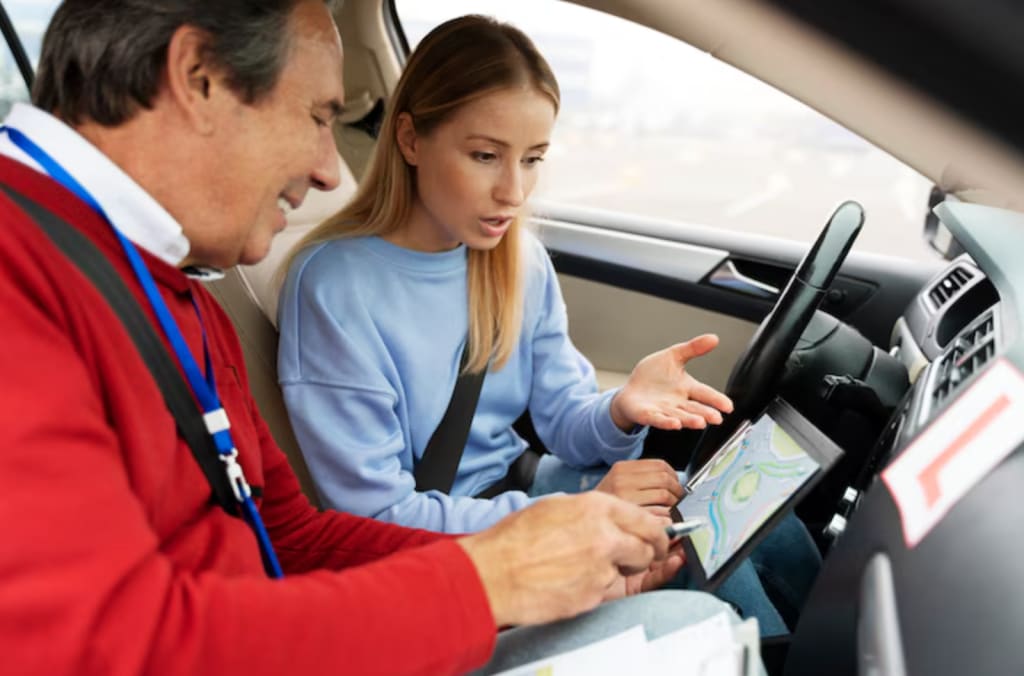
Most lessons start with an introduction to the vehicle's features. It starts with instructors going over the basics of how to drive an automatic, including changing the gears, accelerating, and braking. Throughout lessons, students build on their experience and tackle more complex driving situations such as crossing junctions, entering roundabouts, and merging onto the motorway. During the entire procedure, instructors focus on safety, awareness on the road, and defensive driving.
4. What to Do Before Your Initial Lesson
The first lesson can pave the way to a successful learning experience. It can be useful to refresh some simple traffic rules and signs ahead of time. If you get the manual of the car, reading it is also advantageous to be acquainted with the features and functions of the vehicle. Clothes that fit snugly on your body and appropriate footwear improve your control of the vehicle. Finally, having a fresh perspective and keeping an open ear to the teacher contribute to a good learning climate.
5. Developing Key Skills
Driving, like anything else, requires a high level of skill to be successful. The automatic lessons stress finding spatial awareness — that is, knowing where your car is in relation to other cars or objects. It also builds decision-making skills as learners evaluate conditions on the road and react accordingly. These lessons also instil the essential skill of communicating with other road users using signals and possibly eye contact.
6. Confidence On The Road
Part of becoming a good driver is having confidence. Practising is key to internalising skills and building confidence. Learners begin their lessons off on quiet streets, converting to busier roads as confidence builds. Instructors are always able to provide constructive feedback acknowledging the work done well while letting students know where to improve.
7. Addressing the Top Challenges
Every learner has challenges. For some, reversing or parking is a nightmare, while others find it hard to get a sense of the distance. One needs to be patient and persevere to overcome these hurdles. Guidance and encouragement are key components that instructors provide so learners feel they have someone in their corner as they navigate through the learning process.
8. The Role of Instructors
Driving instructors serve as coaches, steering novices through the complexities of the road. They give customised feedback, allowing the students to have an idea of their strengths and weak areas. Secondly, by creating safe spaces for learners to practise, instructors ensure that they have the freedom to do so without fear of being judged. Their skill and patience ensure they are invaluable when it comes time to drive!
9. Considering the Future
After finishing automatic driving lessons, many opportunities await. To some people, having a driving licence means independence and mobility. Some then opt to take their skills up a notch and look for manual driving lessons or advanced driving courses. Those automatic lessons help to instil the kind of fundamentals that will set you up for a lifetime of safe driving, whatever path you choose afterwards.
Conclusion
How does it work: Automatic driving lessons provide a basic and straightforward way to learn how to drive. If learners know what the learning experience consists of and how to prepare for it, they will have an opportunity to enjoy the moment and develop useful competencies. Through the support of qualified instructors, participants can conquer obstacles, gain confidence, and reach their driving aspirations. Choosing this path not only results in the licence to be behind the wheel but also prepares the users for safe and responsible driving in their lives ahead.
About the Creator
Just Pass
Just Pass stands out as a top-notch driving school in Birmingham. Our focus isn't just on defensive driving but also on expediting the driving test process. visit: https://justpass.co.uk/
Enjoyed the story? Support the Creator.
Subscribe for free to receive all their stories in your feed.
Comments
There are no comments for this story
Be the first to respond and start the conversation.