
What to Expect During Your Child’s First Oral Checkup
A Parent’s Guide to Easing Dental Anxiety and Building Healthy Habits

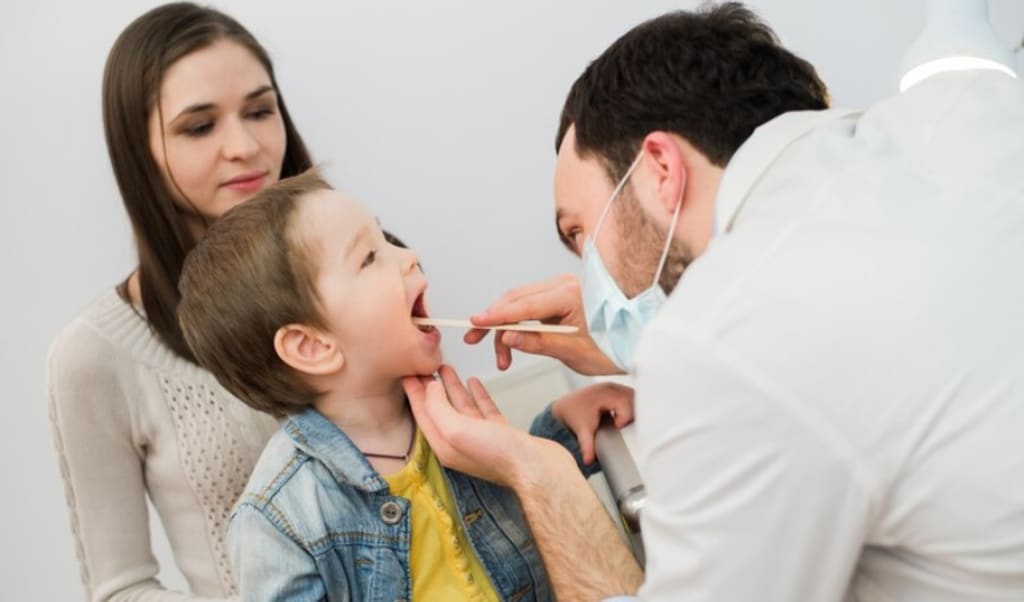
The American Academy of Pediatric Dentistry suggests that a child’s first dental visit should happen by their first birthday or when their first tooth appears—whichever comes first. It might feel early, but this milestone sets the tone for future oral health. Early checkups allow the dentist to monitor how the teeth are coming in and ensure that no early signs of decay or misalignment go unnoticed.
In this visit, the dental team isn't just checking your child’s teeth. They’re laying a foundation. This means educating parents, observing growth patterns, and answering your questions with care and clarity. These early interactions help your child grow comfortable in a dental setting, which reduces fear and promotes long-term cooperation.
Setting the Stage at Home Before the Visit
Preparing your child for their first checkup doesn’t require elaborate routines. Keep it simple and fun. Talk positively about the dentist—no scary stories or comparisons. Kids pick up on your attitude quickly. Read books or watch kid-friendly videos that show what a dentist does. These tools offer visual examples and ease the unknowns.
It helps to play pretend. Let your child “examine” your teeth using a toothbrush or flashlight. Then, switch roles. This hands-on game makes the idea of a dental visit feel familiar and less intimidating. Most of all, answer their questions honestly but gently. If they ask, “Will it hurt?” you can say something like, “The dentist just counts and cleans your teeth—it tickles more than anything!”
What Happens During the First Visit
Your child’s first oral checkup is more of a learning experience than a treatment session. It usually takes about 30 to 45 minutes, depending on your child’s age and cooperation level. The goal is to make your child feel safe and relaxed while assessing their dental development.
Here’s a typical breakdown of what might occur:
A Gentle Examination
The dentist will examine your child’s teeth, gums, jaw, and oral tissues. They’ll check for signs of early cavities, bite alignment issues, and habits like thumb sucking or pacifier use that could affect dental growth. If necessary, a mild cleaning may follow to remove plaque buildup.
X-rays Only if Needed
For toddlers and young children, x-rays are not always necessary during the first visit. If the dentist suspects hidden decay or development concerns, they may recommend them. Modern dental x-rays are fast and emit very low radiation, ensuring safety.
Parental Guidance and Education
Expect a portion of the visit to focus on you. The dentist will explain the importance of brushing, using fluoride, healthy snacking habits, and how to avoid early decay. It’s a collaborative approach—you're part of the dental team.
Your Role as a Parent During the Visit
How you react during your child’s checkup matters. Stay calm and encouraging. If your child seems anxious or uncooperative, let the dental team lead. Pediatric dental professionals are trained to handle all kinds of emotions and responses. Sometimes, stepping back and giving space can help your child adjust.
Avoid bribes or threats. Phrases like “If you're good, you’ll get a treat” or “Don't cry, or the dentist will be mad” can send mixed signals. Instead, praise their bravery and highlight the positives. For example: “You sat so still! That’s awesome!”
If your child brings a comfort item like a stuffed animal, that's perfectly fine. A familiar object can go a long way in reducing stress.
Creating a Positive Memory Around Dental Care
That first appointment can shape how your child views dental care for years to come. After the visit, celebrate the experience. This doesn’t mean giving sweets—maybe stop by the park, or let them choose a sticker or small toy. Make the day feel special in a healthy way.
Consider framing a picture of your child at their first dental visit. Something as simple as that turns it into a milestone worth remembering, not dreading.
How Pediatric Dentists Make a Difference
Pediatric dentists aren’t just general dentists who treat kids. They undergo extra training to understand child behavior, development, and unique oral health needs. Their offices are typically designed with children in mind—think bright colors, friendly characters, and interactive spaces.
From the moment you walk in, everything is tailored to comfort. Many practices even use a “tell-show-do” approach, explaining each tool and step in a kid-friendly way before using it. This keeps your child informed and less fearful.
Common Questions Parents Ask
Should I Brush My Baby’s Teeth?
Yes, even baby teeth need brushing. Once the first tooth appears, use a small, soft-bristled brush and a smear of fluoride toothpaste. This habit helps prevent decay and keeps gums healthy.
What If My Child Cries During the Visit?
It’s completely normal. Crying is often just a reaction to new experiences. Pediatric dental teams expect it and know how to comfort both you and your child.
Can I Stay with My Child During the Exam?
Most dentists welcome parents in the room, especially during the first visit. Your presence can be comforting. However, in some cases, the child may focus better when alone with the dentist. This varies with each practice.
Building Habits That Last a Lifetime
Once your child has had their first checkup, make dental visits a regular part of life. Schedule visits every six months and keep up with at-home care. Consistency helps prevent issues and builds confidence.
Keep an eye on habits like bottle feeding at bedtime or frequent snacking. These can lead to early childhood cavities. Encourage rinsing with water after meals and limit sugary drinks. When you model good dental behavior, your child is more likely to follow suit.
When to Seek Care Between Visits
Even between routine checkups, stay alert for signs of discomfort. If your child complains about tooth pain, has swelling, or avoids eating on one side, don’t wait. These could indicate a cavity or other issue that needs immediate attention.
Also, accidents happen. If your child chips a tooth or experiences a fall, contact the dentist right away. Quick action can prevent further problems and ease pain.
A Smile That Grows with Them
A child’s first oral checkup is more than a milestone—it’s a stepping stone to lifelong wellness. With the right preparation and a caring dental team, this first experience can set the stage for a future full of healthy, confident smiles. If you’re looking for expert care tailored to young patients, a trusted Childrens Dentist Coral Gables can help your child feel secure and supported from the very first visit.
About the Creator
Miro Dental Centers of Coral Gables
Miro Dental Centers in Coral Gables, FL offers complete dental care for all ages, including exams, implants, Invisalign, cosmetic dentistry, root canals, oral surgery, sleep apnea care & sedation dentistry.
Enjoyed the story? Support the Creator.
Subscribe for free to receive all their stories in your feed.
Comments
There are no comments for this story
Be the first to respond and start the conversation.