
What to Eat (and Avoid) After Getting a Dental Bridge?
Find the best foods to eat and avoid after getting a dental bridge for a smooth recovery and lasting results
Getting a dental bridge is a big step toward restoring your smile and improving your oral health. It’s an exciting moment—finally filling that gap and getting back to chewing comfortably! But here’s the thing: what you eat (and don’t eat) in the days and weeks after the procedure can make a huge difference in how well your bridge settles in. Whether you’re fresh from the dentist’s chair or adjusting to life with your new bridge, this guide will walk you through the best foods to enjoy and the ones to steer clear of. Let’s dive in and set you up for success!
Why Your Diet Matters After a Dental Bridge?
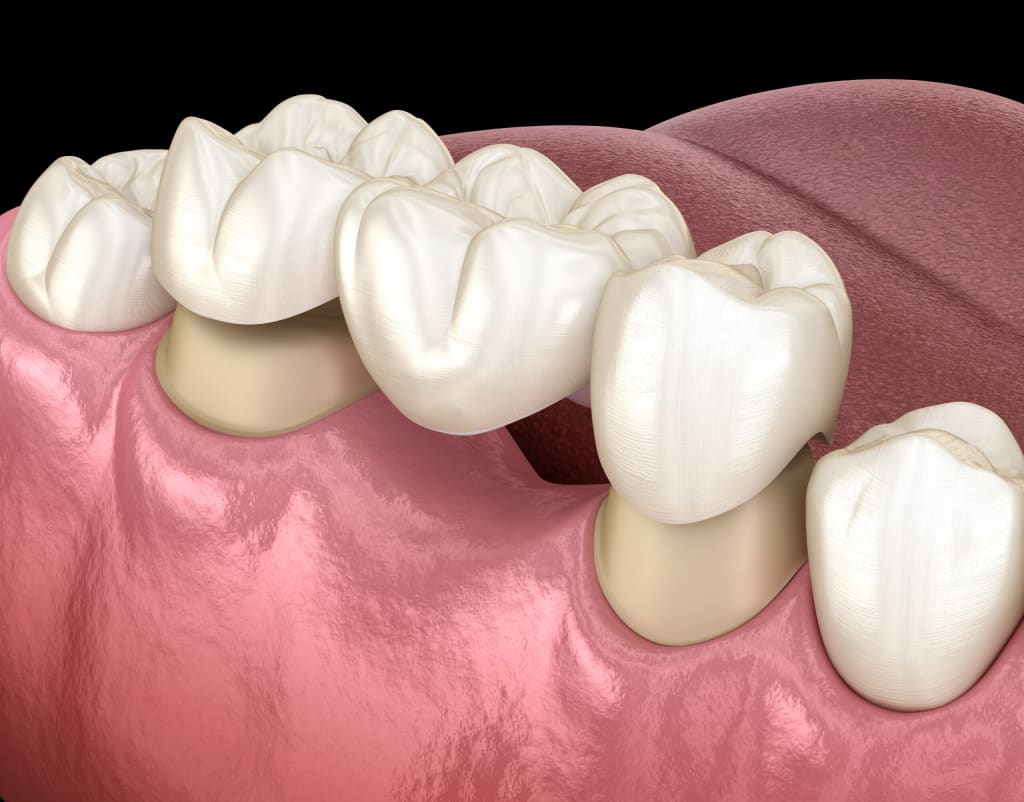
When you get a dental bridge, your mouth needs time to heal and adapt. The bridge itself—whether it’s a traditional fixed bridge, cantilever, or Maryland bridge—is designed to blend seamlessly with your natural teeth. But right after the procedure, your gums might be tender, and the cement holding the bridge in place needs time to fully set. Eating the wrong foods too soon could loosen the bridge, irritate your mouth, or even delay healing.
Plus, bridges aren’t invincible. They’re tough, but certain habits or foods can damage them over time. By starting with the right diet, you’ll protect your investment and keep your smile looking its best. So, what should be on your plate? Let’s break it down.
Foods to Eat After Getting a Dental Bridge
The key here is to go soft, gentle, and nutritious. You want foods that won’t stress your new bridge or aggravate any sensitivity. Here’s what to load up on, especially in the first few days:
Soft Foods for the First 48 Hours
Right after your appointment with your cosmetic dentist West Palm Beach, stick to foods that require minimal chewing. These options are easy on your mouth while still giving you the nutrients you need:
- Yogurt: Creamy, cool, and packed with protein—perfect for soothing your gums.
- Mashed Potatoes: A comfort food classic that’s gentle and filling. Skip the crunchy toppings for now.
- Applesauce: Sweet and smooth, it’s a great way to satisfy your fruit cravings.
- Scrambled Eggs: Soft, fluffy, and full of protein to support healing.
- Smoothies: Blend up fruits, veggies, and a scoop of protein powder for a nutrient-packed meal.
Pro tip: Keep everything lukewarm or cool—hot foods can increase sensitivity in those first couple of days.
Transitioning to Regular Foods
After about 48 hours (or once your dentist gives the green light), you can start adding slightly heartier options. These foods still play nice with your dental bridges while letting you ease back into a normal diet:
- Cooked Vegetables: Steam carrots, broccoli, or zucchini until they’re soft but not mushy.
- Pasta: Go for smaller shapes like penne or macaroni with a light sauce—no heavy chewing required.
- Soft Fish: Baked salmon or cod flakes apart easily and delivers healthy omega-3s.
- Oatmeal: A warm, cozy option that’s gentle on your bridge and easy to customize.
- Bananas: Soft, sweet, and potassium-rich—nature’s perfect snack.
As you transition, chew slowly and use both sides of your mouth to distribute pressure evenly. Your bridge is sturdy, but it’s smart to baby it a little while you adjust.
Foods to Avoid After Getting a Dental Bridge
Now, let’s talk about the no-nos. Some foods can sabotage your recovery or even damage your bridge over time. Here’s what dentist recommend steering clear of—and why.
Sticky and Chewy Foods
These are public enemy number one for dental bridges. Sticky or chewy foods can pull at the bridge, potentially loosening it or stressing the supporting teeth:
- Caramel: That stretchy, sticky texture is a recipe for trouble.
- Gum: Even sugar-free gum can tug at your bridge—skip it unless your dentist says otherwise.
- Taffy or Gummy Candies: Delicious, yes, but they cling to everything in your mouth.
- Dried Fruit: Raisins and apricots might seem healthy, but their stickiness can cause issues.
If you’re craving something sweet, opt for a soft alternative like pudding or ice cream instead.
Hard and Crunchy Foods
Anything that requires serious biting force or crunches loudly is off-limits, especially early on. These can crack the bridge material or irritate your gums:
- Nuts: Almonds, peanuts, and cashews are too tough for now.
- Popcorn: Those sneaky unpopped kernels are a dental bridge’s worst nightmare.
- Hard Candy: Sucking is fine, but biting down could chip the bridge.
- Raw Carrots or Apples: Cook or mash them instead to avoid the crunch.
Once you’re fully healed, you might be able to reintroduce some of these in moderation—check with your dentist first.
Sugary and Acidic Foods
Sugar and acid don’t just harm natural teeth—they can also sneak under your bridge and cause decay in the supporting teeth:
- Sodas: Carbonation plus sugar is a double whammy.
- Citrus Juices: Orange or lemon juice can erode enamel if overdone.
- Candies: Sticky and sugary? Nope, not worth the risk.
Rinse your mouth with water after eating anything acidic or sweet to keep bacteria at bay.
Long-Term Eating Tips for Dental Bridge Care
Once you’re past the initial healing phase—usually a week or two—your bridge will feel more like part of your natural smile. But to keep it in top shape for years to come, a few habits can go a long way:
Chew Smart
- Avoid biting down on hard objects like ice, pens, or fingernails—it’s not just food that can damage a bridge!
- Cut tougher foods (like apples or steak) into smaller pieces before eating.
- Chew evenly on both sides to prevent uneven wear.
Stay Hydrated
Drinking plenty of water helps rinse away food particles that might get trapped around your bridge. It’s a simple trick that keeps your mouth cleaner between brushings.
Watch the Temperature
Extreme hot or cold foods can sometimes cause discomfort, especially if your bridge is near sensitive teeth. Test the temp before diving in.
How to Handle Food Stuck Around Your Bridge?
Even with the best diet, food can sometimes wedge itself near your bridge. Don’t panic—it’s normal! Here’s how to deal with it:
- Floss Carefully: Use a floss threader or super floss to clean under the bridge without tugging too hard.
- Rinse with Water: A gentle swish can dislodge small particles.
- Brush Twice Daily: A soft-bristled toothbrush keeps the area clean without scratching the bridge.
If something feels stuck and won’t budge, give your dentist a quick call—they’ll sort it out.
When to Check in With Your Dentist?
Your diet plays a huge role, but don’t hesitate to reach out to your dentist if something feels off. Call them if:
- Your bridge feels loose or wobbly.
- You notice persistent pain or sensitivity beyond the first few days.
- Food keeps getting trapped despite your best efforts.
A quick checkup can catch small issues before they turn into big ones.
Final Thoughts on Eating With Your New Bridge
Adjusting to life with a dental bridge is all about balance—eating foods that nourish you while giving your mouth the TLC it needs. Start soft, avoid the sticky and crunchy culprits, and soon enough, you’ll be enjoying most of your favorite meals again. With a little patience and care, your bridge will feel like second nature, letting you smile, eat, and live with confidence. Here’s to a happy, healthy mouth—and a diet that keeps it that way!
About the Creator
Family Dentistry of Forest Hill
Family Dentistry of Forest Hill – Your trusted dentist in West Palm Beach offering gentle, personalized care for all ages. From cleanings to cosmetic treatments, we keep smiles healthy in a warm, modern office.
Enjoyed the story? Support the Creator.
Subscribe for free to receive all their stories in your feed.
Comments
There are no comments for this story
Be the first to respond and start the conversation.