
What to Do with a Broken Tooth Until You See a Dentist
Broken Tooth
A broken tooth can be both painful and alarming. Whether it results from an accident, biting something hard, or underlying decay, knowing how to manage the situation until you see a dentist is essential. While professional care is the ultimate solution, taking immediate, proper steps can help minimize pain, prevent further damage, and keep you comfortable until your dental appointment. In this guide, we’ll walk you through what to do with a broken tooth to protect your oral health in the interim.
Immediate Steps to Take After Breaking a Tooth
If you break a tooth, acting quickly can help reduce pain and prevent further complications. Here’s what you should do right away:
Rinse Your Mouth – Use warm water to gently rinse your mouth to remove any debris and prevent infection. Avoid using hot or cold water, as your tooth may be sensitive.
Control Bleeding – If there’s bleeding, apply gentle pressure with a clean gauze or cloth. Keep it in place for a few minutes until the bleeding stops.
Reduce Swelling – Apply a cold compress to your cheek near the broken tooth. This helps minimize swelling and provides some pain relief.
Save Any Broken Pieces – If a piece of your tooth has broken off, try to find it and store it in milk or saliva. Your dentist may be able to reattach it.
Avoid Eating on the Affected Side – Stick to soft foods and avoid chewing with the broken tooth to prevent further damage.
Pain Relief and Protection for a Broken Tooth
While waiting to see a dentist, managing pain and protecting the broken tooth is crucial. Here’s what you can do:
Take Over-the-Counter Pain Relievers – Medications like ibuprofen or acetaminophen can help reduce discomfort. Follow the dosage instructions carefully.
Use Clove Oil for Natural Relief – Applying a small amount of clove oil to the affected area can help numb pain and reduce inflammation.
Apply Temporary Dental Wax or Cement – If the broken tooth has sharp edges, covering it with dental wax or temporary filling material (available at pharmacies) can prevent cuts to your tongue and cheek.
Avoid Extremely Hot or Cold Foods – A broken tooth may be sensitive to temperature changes, so stick to lukewarm foods and drinks.
Keep Your Mouth Clean – Continue brushing carefully around the damaged tooth and rinse with a saltwater solution to help prevent infection.
Eating and Drinking with a Broken Tooth
Being mindful of what you eat and drink can prevent further damage and discomfort before seeing a dentist. Here are some essential tips:
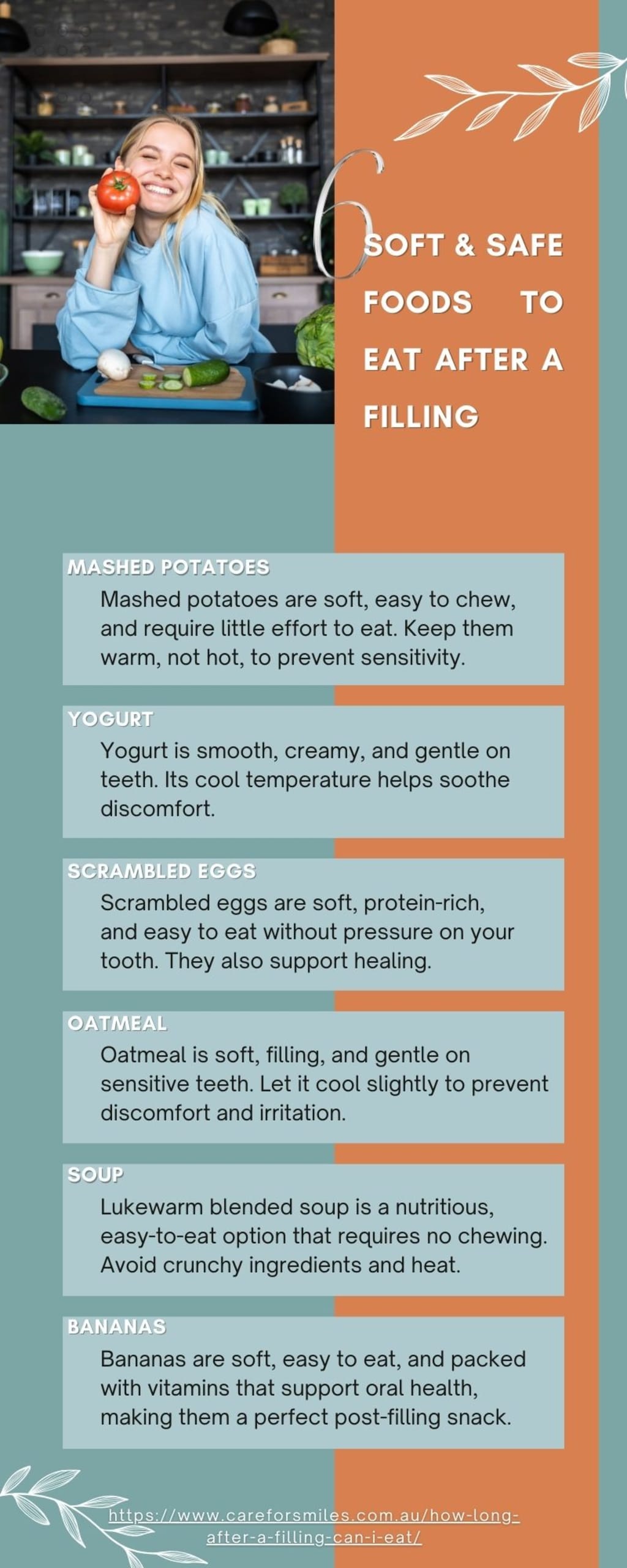
Stick to Soft Foods – Choose foods like yogurt, mashed potatoes, scrambled eggs, and smoothies to avoid putting pressure on the broken tooth.
Avoid Sticky or Hard Foods – Chewing on nuts, candy, or crunchy snacks can worsen the break or cause more pain.
Chew on the Opposite Side – If possible, avoid using the damaged tooth while eating to prevent additional stress or fractures.
Drink Through a Straw – Using a straw for beverages can help keep liquids away from the sensitive area, especially if the tooth is exposed.
Stay Away from Sugary and Acidic Drinks – Beverages like soda and citrus juices can irritate the broken tooth and increase the risk of infection.
Following these precautions can help protect your tooth and minimize discomfort until you receive professional dental care.
Managing Pain and Sensitivity
A broken tooth can cause discomfort, especially if the nerve is exposed. Managing pain and sensitivity is essential until you can see a dentist. Here are some effective ways to reduce discomfort:
Use Over-the-Counter Pain Relievers – Medications like ibuprofen or acetaminophen can help reduce pain and inflammation. Follow dosage instructions carefully.
Apply a Cold Compress – Placing an ice pack or a cold cloth on the affected side of your face for 10–15 minutes can help numb the pain and reduce swelling.
Rinse with Warm Saltwater – Gargling with a saltwater solution can clean the area, reduce bacteria, and provide temporary relief.
Avoid Extreme Temperatures – Hot or cold foods and drinks can trigger sensitivity, so opt for lukewarm beverages and soft foods.
Use Dental Wax or Sugar-Free Gum – If the broken tooth has sharp edges, covering it with dental wax or sugar-free gum can help prevent cuts and irritation inside your mouth.
These simple steps can provide relief and protect your broken tooth until you receive professional dental treatment.
FAQs
What should I do immediately after breaking a tooth?
Rinse your mouth with warm saltwater, apply a cold compress to reduce swelling, and save any broken pieces if possible.
Can I eat with a broken tooth?
Avoid chewing on the affected side and stick to soft foods until you see a dentist to prevent further damage.
Is a broken tooth an emergency?
Yes, a broken tooth should be treated as soon as possible, especially if there is pain, bleeding, or nerve exposure.
Can I repair a broken tooth at home?
No, but you can temporarily cover sharp edges with dental wax or sugar-free gum to prevent irritation. A dentist must provide a permanent solution.
What if my broken tooth doesn’t hurt?
Even if there’s no pain, a broken tooth is vulnerable to decay and infection, so you should see a dentist promptly.
How can I prevent a broken tooth in the future?
Avoid biting hard foods, wear a mouthguard during sports, and maintain good oral hygiene to keep your teeth strong.
A broken tooth can be painful and risky if left untreated. Taking quick action—rinsing, protecting the area, managing pain, and avoiding further damage—can make a big difference. However, visiting a dentist as soon as possible is crucial for proper treatment and long-term dental health.
About the Creator
Enjoyed the story? Support the Creator.
Subscribe for free to receive all their stories in your feed.
Comments
There are no comments for this story
Be the first to respond and start the conversation.