
What to Do When Your Dental Crowns Break Unexpectedly
Discover what to do when a dental crown breaks unexpectedly. Learn key steps, temporary fixes, and how to protect your tooth until you see your dentist.

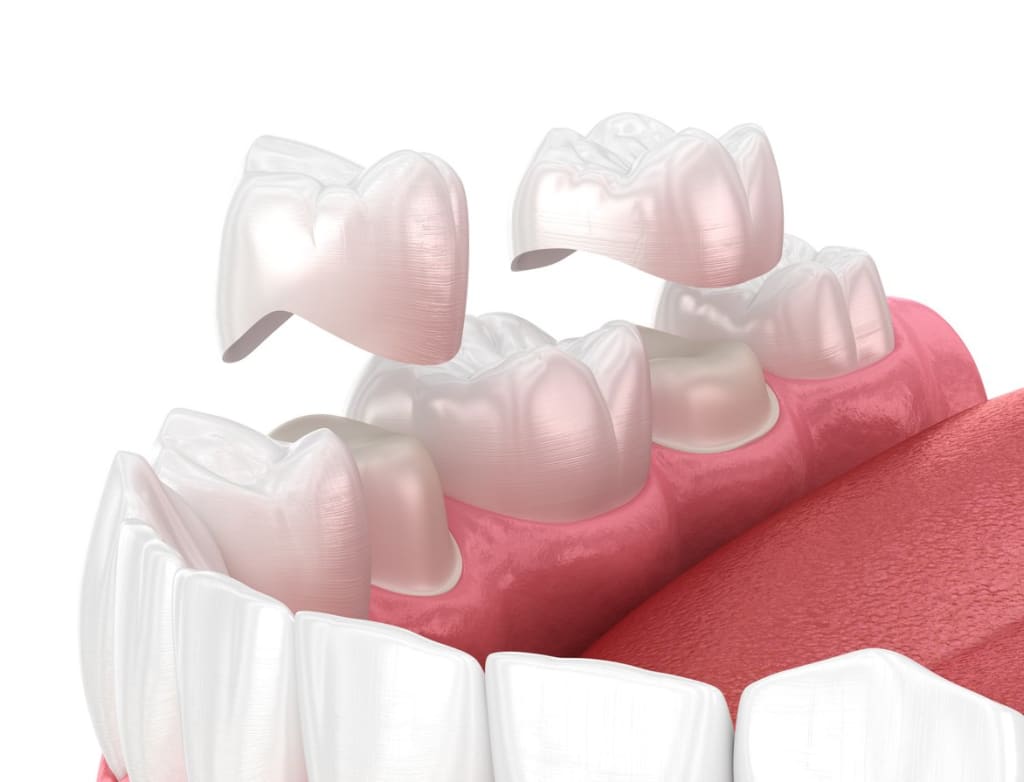
It always seems to happen at the worst time. You're enjoying your favorite crunchy snack or sipping something warm, and suddenly—crack. Whether it's a sharp jolt or just a strange feeling in your bite, the realization hits: your dental crown just broke.
Before panic sets in, take a breath. While a broken crown is never fun, it’s more common than you might think. With the right steps, you can handle the situation calmly and protect your tooth until it’s properly repaired.
First Things First: Stay Calm and Assess the Damage
The moment your crown breaks, it’s easy to jump to worst-case scenarios. But not every break is catastrophic. Some cracks are minor, while others may mean the crown has completely detached. Here's what to check:
Is the crown still partially attached?
Avoid wiggling it. A loose crown can do more harm than good if it’s forced.
Is there pain or sensitivity?
Discomfort can signal that the underlying tooth or nerve is exposed.
Did the crown fall out entirely?
If yes, try to find it. In some cases, dentists can re-cement a crown if it’s still intact.
Keep in mind—how you handle the next few hours can influence your comfort and the future of your crown.
Rinse, Clean, and Protect the Area
If your crown falls out or chips, gently rinse your mouth with warm salt water. This helps clean the area and reduce any risk of infection. If there are sharp edges, you can:
- Use dental wax (available at most drugstores) to cover rough spots.
- Avoid chewing on that side of your mouth.
- Stay away from hot, cold, or sugary foods that can irritate the exposed tooth.
If the crown is completely out, rinse it off and store it in a small container or plastic bag. Bring it with you to your dentist appointment—you might be able to reuse it.
Don’t Use Glue or DIY Fixes (Seriously)
It might be tempting to grab a tube of superglue and try fixing the crown yourself. Don't. Most adhesives you find at home are toxic or too rigid for oral use. Even over-the-counter dental adhesives should only be used temporarily and under the guidance of your dentist.
Improper fixes can lead to more serious damage or infections. Think of your brown dental crown like a precision-crafted puzzle piece—it needs expert hands to put it back the right way.
Call Your Dentist – Sooner Rather Than Later
Even if the pain is manageable, your crown needs attention. The underlying tooth is now vulnerable, and delaying care could lead to bigger issues like decay or nerve damage.
Explain what happened over the phone—let your dentist know if you’re experiencing pain, if the crown is completely off, or if part of the tooth underneath has broken too. Many dental offices leave room in their schedules for emergencies, so you might get seen faster than you think.
Temporary Solutions (If You Can’t Get in Right Away)
If you can’t see your dentist right away, a few temporary steps can help you get through the wait:
Dental cement from the drugstore:
This can be used to temporarily place the crown back—only if you’re sure it fits snugly and nothing feels off.
Avoid certain foods:
Skip anything crunchy, sticky, or very hot or cold. Focus on soft, neutral-temperature foods.
Use over-the-counter pain relievers:
Ibuprofen or acetaminophen can help if there’s discomfort.
Remember, these steps are only temporary. You still need professional care to prevent further damage.
Why Crowns Break in the First Place
Dental crowns are made to last, but life happens. A few common causes include:
- Biting hard objects like ice, pens, or fingernails
- Bruxism (teeth grinding) especially at night
- Old age of the crown (most last 5–15 years)
- Decay under the crown weakening the base tooth
- Poor initial fit that caused pressure points
Understanding why your crown broke can help your dentist decide whether a simple repair is enough—or if a full replacement is needed.
Repair or Replace? Here’s What to Expect at the Dentist
During your visit, your dentist will examine the crown and the tooth underneath. Depending on the severity, they might:
- Re-cement the crown if it’s undamaged and still fits well
- Replace the crown with a new one if it’s cracked or worn out
- Perform additional treatment if the tooth is decayed or broken
Most crown replacements take two visits: one to prep the tooth and place a temporary crown, and a second to cement the permanent one after it’s crafted in a lab.
Preventing Future Breaks
You can’t eliminate all risk, but there are ways to reduce the chance of a repeat:
- Don’t chew ice, hard candy, or non-food items
- Wear a night guard if you grind your teeth
- Maintain regular dental visits to check crown condition
- Brush and floss daily to prevent decay near the crown margins
Proper care doesn’t just protect your crown—it helps preserve your entire oral health.
Let’s Recap – Here’s What You Should Do
- Stay calm and inspect the situation
- Rinse your mouth and protect any sharp edges
- Call your dentist ASAP for advice and an appointment
- Use temporary solutions only if you can’t get immediate help
- Avoid hard foods and DIY fixes
- Keep your crown safe if it fell out
- Take note of habits that might've caused the break
A broken crown can feel like a major setback, but with fast action and proper care, you’ll be smiling again soon.
About the Creator
Dentiq Dentistry Houston
We provide various services such as general dentist, cosmetic dentistry, veneers, teeth whitening, Invisalign, emergency dentistry, tooth extraction, and more which is why we are your clear choice for dental treatment of "dentist near me".
Enjoyed the story? Support the Creator.
Subscribe for free to receive all their stories in your feed.
Comments
There are no comments for this story
Be the first to respond and start the conversation.