
What to Do in a Dental Emergency: How an Emergency Dentist Can Help
Dental Emergency
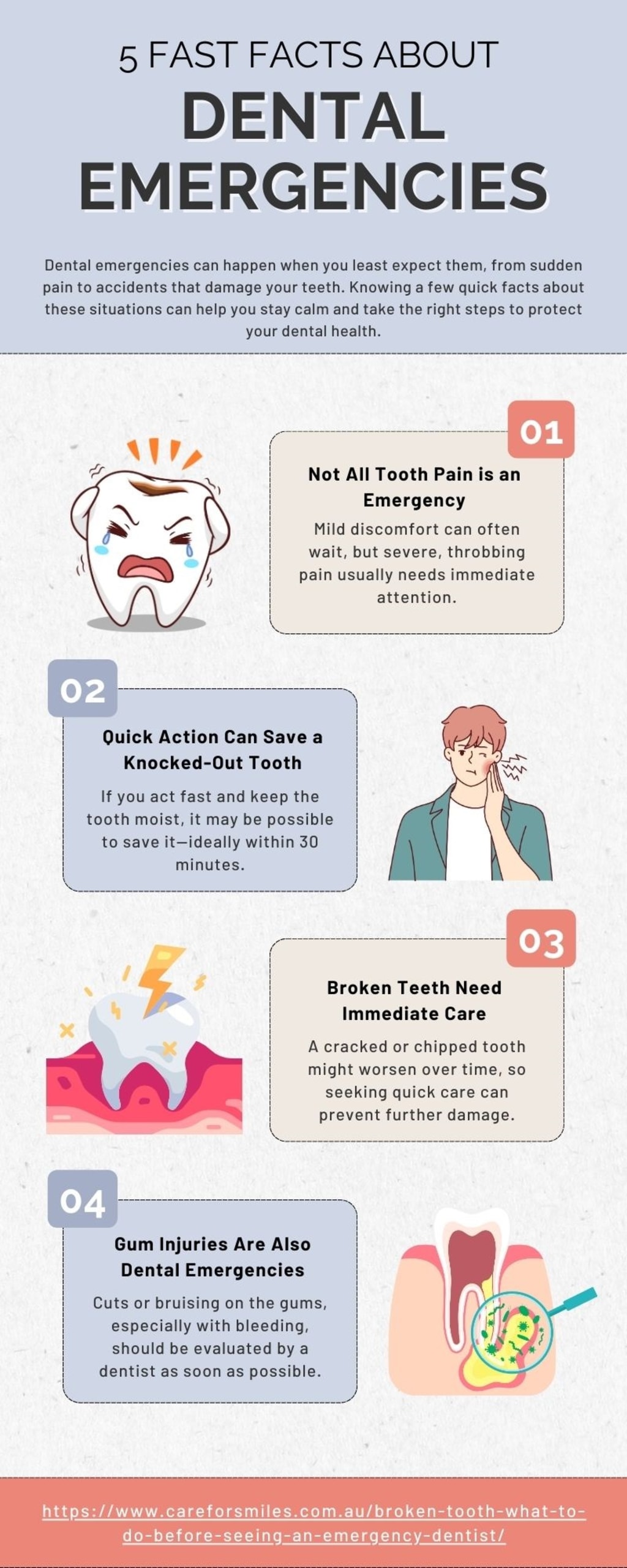
Dental emergencies can happen at any time, and when they do, quick action is essential to minimize damage and relieve pain. Whether it’s a sudden toothache, a broken tooth, or an injury to the gums, knowing what to do in these situations can make a significant difference in the outcome. In this blog, we'll guide you through the steps to take during a dental emergency and explain how an emergency dentist can provide the immediate care you need. By understanding the importance of prompt treatment, you’ll be better prepared to handle unexpected dental issues and ensure the best possible care for your oral health.
What to Do in a Dental Emergency: Immediate Steps You Can Take
Dental emergencies can be stressful and overwhelming, but staying calm and following these key steps can help you manage the situation until you can see an emergency dentist:
Assess the Situation: The first thing you should do is evaluate the severity of the injury or pain. Is it a minor issue, such as a mild toothache, or something more serious, like a knocked-out tooth or a deep cut in your gums? Understanding the severity will help you decide if immediate action is needed.
Control Bleeding: If there’s bleeding, particularly from the gums or a broken tooth, gently rinse your mouth with warm water and apply a clean cloth or gauze to the affected area. Pressing down on the bleeding site can help stop the flow and reduce swelling.
Preserve a Knocked-Out Tooth: If a tooth is knocked out, it’s important to act quickly. Rinse the tooth gently with water (avoid scrubbing) and try to place it back in its socket. If that’s not possible, keep the tooth moist by placing it in a cup of milk or a saline solution. Time is critical in reattaching a tooth, so contact an emergency dentist immediately.
Relieve Pain and Swelling: For pain relief, over-the-counter painkillers like ibuprofen can help reduce discomfort and inflammation. Applying a cold compress to the outside of your cheek can also reduce swelling and numb the pain.
Don’t Delay Seeking Help: Regardless of the issue, it’s crucial to contact an emergency dentist as soon as possible. The sooner you get professional care, the better the chances of preserving your tooth and preventing further complications.
An emergency dentist is equipped to handle urgent situations with the proper tools and expertise. Whether it’s repairing a cracked tooth, managing severe pain, or providing solutions for injuries, they can ensure that you get the best care during a dental crisis.
Dental emergencies can strike unexpectedly, but knowing how to respond and having an emergency dentist you can rely on makes all the difference. Whether it's a knocked-out tooth, severe pain, or gum injury, taking immediate action can help minimize damage and prevent further complications. An emergency dentist is equipped to handle these urgent situations with the expertise and tools needed to provide fast, effective treatment.
By staying calm, following the right steps, and seeking professional help right away, you can ensure that your dental health is safeguarded. Make sure to have an emergency dentist on hand, and don’t hesitate to reach out when urgent care is needed. Quick intervention not only helps relieve pain but also preserves your smile for the future.
FAQs
What qualifies as a dental emergency?
A dental emergency includes situations like severe toothaches, knocked-out teeth, broken or chipped teeth, gum injuries, and abscesses. If you're experiencing sudden, intense pain or visible damage to your teeth, it's best to contact an emergency dentist immediately.
How soon should I see an emergency dentist after an injury?
It's crucial to see an emergency dentist as soon as possible after a dental injury. For instance, if a tooth is knocked out, the chances of saving it are highest if treated within an hour of the incident.
Can an emergency dentist help with a toothache?
Yes, an emergency dentist can help with a toothache by diagnosing the cause and providing pain relief. They may offer treatments like a root canal or prescribe antibiotics if there is an infection.
What should I do if I lose a tooth?
If you lose a tooth, rinse it gently with water (do not scrub), try to place it back in its socket, and visit an emergency dentist immediately. If reinsertion isn’t possible, store the tooth in milk or a saline solution to keep it moist until you get help.
Will an emergency dentist always be able to save my tooth?
While emergency dentists can often restore or save a damaged tooth, the success of treatment depends on the severity of the injury and how quickly you seek help.
About the Creator
Enjoyed the story? Support the Creator.
Subscribe for free to receive all their stories in your feed.
Comments
There are no comments for this story
Be the first to respond and start the conversation.