
What Precautions Should Be Taken When Charging an EV?
Want to charge your EV safely?

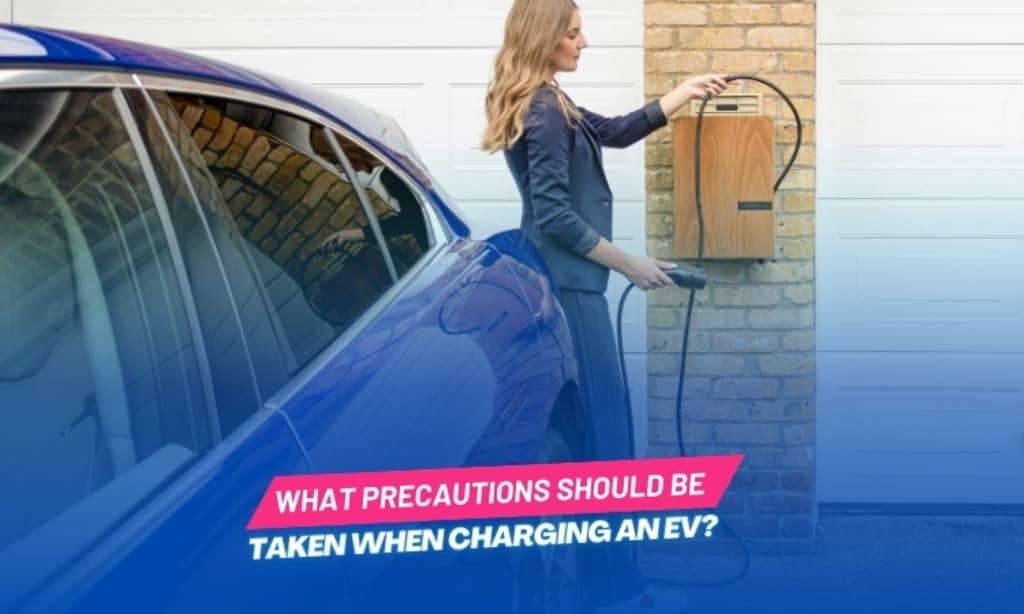
In recent years, electric vehicles have become a popular and eco-friendly mode of transportation. However, like any technology, it requires careful attention and proper handling, especially when it comes to charging. So, what precautions should be taken when charging an EV?
When charging an EV, inspect charging equipment for damage, avoid wet conditions, and use the correct cables and outlets. Regularly check cables and the charging port, avoid extension cords, and ensure proper ventilation. Additionally, monitor the charging process, avoid extreme temperatures, and prevent overheating to ensure safe and efficient charging.
If you want to learn more about how you can protect your electric vehicle while it is charging, keep reading.
What Precautions Should Be Taken When Charging an EV? Expert Advice for Safe Charging
Charging an electric vehicle (EV) might seem super simple—just plug it in and wait. But there are a few important things to know to make sure you’re doing it the right way. Taking small steps can help keep things safe and easy. Want to know how to charge your EV the right way? Keep reading to learn more.

Check the Charging Equipment
Before you plug in your EV, always take a quick look at the charger. Make sure there are no cuts, burns, or cracks in the wires or plug. If something looks broken or weird, don’t use it. Charging with damaged equipment can be unsafe. It’s better to get it fixed first.
Stay Away from Water
Never charge your EV when it’s raining or in a wet area. Water and electricity don’t mix and can cause shocks or even fires. Always charge your EV in a dry place like a garage or under a roof. If the ground is wet, wait until it dries or move to a safer spot. Keeping things dry is a must for safe charging.
Use the Right Cables
Every EV comes with a set of charging cables made just for it. Always use those or ones recommended by the company. Using random or cheap cables can damage the car or cause problems. It’s also important that the outlet or charger fits well and doesn’t feel loose. A good connection helps charge the car safely.
Keep Cables Neat
When charging, don’t leave the cable lying all over the ground. People can trip over it, or it could get damaged if someone steps on it. Try to keep the cable straight and out of the way. You should also avoid wrapping it too tightly when storing it to avoid damaging the wires. Keeping your cable tidy helps it last longer.
Avoid Extension Cords
It might feel easy to use an extension cord if the charger is far, but it’s not a good idea. Extension cords can overheat and cause a fire. They’re not made for heavy things like charging a car. Instead, try to park closer to the charger. It’s always safer to use the charger the way it’s meant to be used.
Be Careful at Charging Stations
Public charging stations are handy but still need care. In many countries, like the EV charging stations in Bangladesh, it’s important to check if the chargers are clean, safe, and properly working. Don’t leave your car there too long after charging—it’s polite and helpful for others. Also, stay nearby if possible in case anything goes wrong. Use only trusted or well-known charging spots to stay safe.
Should You Inspect Charging Equipment Before Use?
Yes, you should inspect charging equipment before using it. Taking a few seconds to check can help prevent major problems later. Look for things like broken wires, bent plugs, or burn marks. These signs could mean the charger is not safe to use anymore. Charging with damaged equipment can be risky for both your EV and your home.
Some issues might not be easy to spot but still cause harm. A small crack or tear in the cable can lead to overheating. If the plug feels loose or doesn't fit right, stop and check again. Always make sure everything is clean, dry, and in proper working shape before plugging in.
Inspecting the charger helps you stay safe and keeps your EV in good condition. It also helps your charger last longer too. Charging with faulty equipment can damage your car’s battery without you even knowing. So, it’s worth checking everything before you start charging.
What Should You Do If Your Charger Malfunctions?
Sometimes, even if everything looks fine, a charger might stop working or act weird. This can happen for many reasons. It’s important to know what to do so you don’t damage your EV or get hurt. Here are a few simple actions you can take if your charger stops working.

Stop Charging Right Away
Unplug the charger as soon as you notice any signs of trouble, such as a burning smell, sparks, or overheating. Always hold the plug, not the cord, and step back if anything looks unsafe. It's never worth the risk to keep it going. Even small problems can turn serious fast. Safety should always come first.
Check for Visible Damage
Take a look at the plug, cable, and charger box. Cracks, burns, or melted parts are clear signs something’s wrong. A charger in that condition should not be used again. Let someone experienced take a look at it. Damaged chargers can harm both your EV and the power source.
Try Another Outlet
Sometimes the charger isn't the issue at all. Plug it into a different wall socket that you know works well. A weak or loose outlet can stop the charger from working properly. It’s a good way to check what’s really going wrong. Make sure the new outlet is dry and steady.
Use a Backup Charger
Having an extra charger at home can really help in moments like this. Swap out the one that’s not working and test with the backup. This can keep your EV ready while the main charger gets checked. Always store backup chargers properly so they stay in good shape. It’s a smart habit to follow.
Contact Customer Support
When you can’t figure out the problem, reach out to the company that made the charger. They often know the issue just by asking a few questions. Many also offer help with fixing or replacing the charger. Don’t guess your way through it. Getting the right help is always better.
Get It Repaired or Replaced
A charger that acts up more than once is not something to ignore. Get it looked at by someone trained or replace it with a new one. Some brands offer free replacements under warranty. Using a faulty charger again and again can harm your EV’s battery. Fixing the problem early saves you trouble later.
Final Thoughts
Charging your electric vehicle safely is not just a good habit—it’s a must. Always check your charger and cables for damage, keep them dry, and avoid using extension cords. Public stations are useful, but it’s important to stay alert and only use trusted ones.
If you are still confused about, what precautions should be taken when charging an EV, Start with regular inspections, proper cable use, and charging in safe conditions. Never ignore signs like overheating or strange smells. If something feels wrong, stop charging and look into it.
Simple steps like these can protect your EV and extend its battery life. Charging might seem easy, but being a little careful goes a long way. Safe charging means a longer-lasting, more reliable electric vehicle.
About the Creator
Sophia
Hello, I’m Sophia, an EV engineer. If you’d like to learn more about electric vehicles (EVs) and EV chargers, feel free to visit Crack Platooncsl, where you can find detailed information about EVs and charging solutions
Enjoyed the story? Support the Creator.
Subscribe for free to receive all their stories in your feed.
Comments
There are no comments for this story
Be the first to respond and start the conversation.