
What Is That Noise? Common Furnace Sounds And What They Mean
Common Furnace Sounds And What They Mean
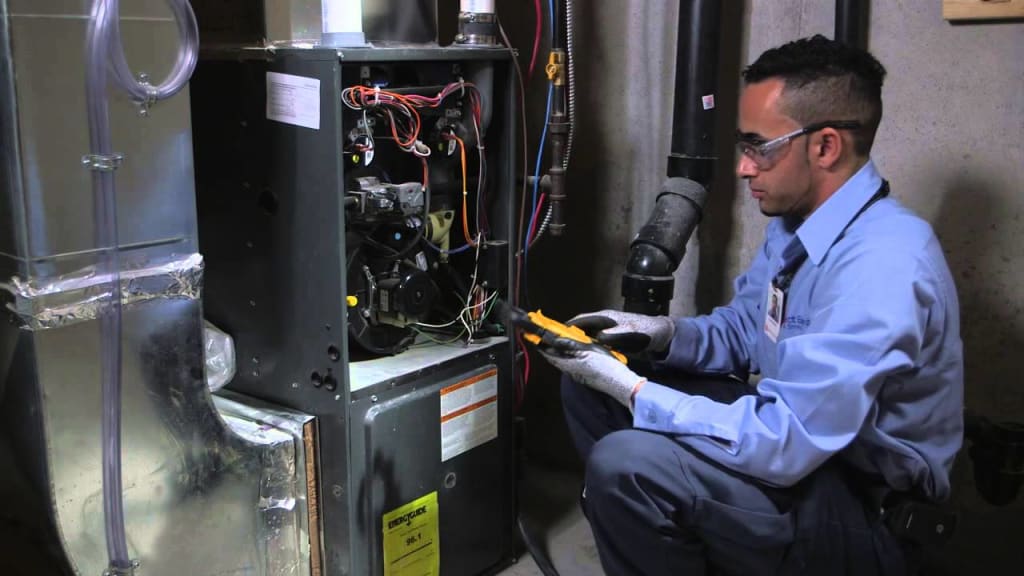
There’s nothing quite like a warm, quiet home on a cold Edmonton winter day. But when your furnace starts making weird noises—banging, rattling, squealing—it’s hard to ignore. And the truth is, you probably shouldn’t.
Unusual furnace sounds are often the first sign that something inside your heating system needs attention.
Whether it's a loose part, a clogged filter, or a more serious mechanical issue, identifying the sound early can help you avoid costly breakdowns or emergency repairs.
In this guide, we’ll break down the most common furnace noises, what they typically mean, and when it’s time to call in a local expert. If you're in Edmonton, there are reliable heating professionals who can inspect and repair your furnace before things get worse.
Why Is My Furnace Making Noise All Of A Sudden?
It’s not unusual to hear your furnace kick on with a gentle “whoosh,” and a quiet hum while it runs. But when your heating system starts making sounds you haven’t heard before—especially loud, high-pitched, or rhythmic ones—that’s when you should pay attention.
Most furnace noise issues are caused by:
Worn parts or components loosening over time
Airflow blockages
Dirty or clogged filters
Lack of regular maintenance
Electrical malfunctions
Delayed ignition or pilot issues
While some noises are harmless and easy to fix, others can signal deeper problems that affect safety, efficiency, or the lifespan of your unit.
Common Furnace Noises And What They Could Mean
Let’s decode some of the most common furnace noises you might hear in your Edmonton home—and what each one might be trying to tell you.
🔊 1. Loud Banging Or Popping
Possible causes:
Dirty burners causing delayed ignition
Expanding and contracting air ducts
Gas buildup in the combustion chamber
Why it’s a problem:
If the burner doesn’t ignite right away, gas builds up inside the system. When it finally ignites, it can cause a small explosion. Over time, these mini-explosions can crack your heat exchanger, which is both expensive to fix and potentially dangerous.
What to do:
If the sound is loud and seems to come from the furnace itself—not just the ductwork—it’s time to call a professional immediately.
🔊 2. High-pitched squealing Or Screeching
Possible causes:
Loose or damaged blower belt
Worn motor bearings
Blower motor malfunction
Why it’s a problem:
Squealing usually means something inside your furnace is under stress. That tension puts strain on other components, increasing the chance of a breakdown.
What to do:
This isn’t a DIY fix. A technician can inspect the belt, lubricate or replace parts, and check your system for wear.
🔊 3. Rattling Or Clanking
Possible causes:
Loose screws or unsecured metal panels
Blower motor components wearing down
Internal mechanical damage
Why it’s a problem:
Rattling noises may start small, but if you leave them alone, they can lead to full-on system failure. It’s often the first sign of parts coming loose or about to fail.
What to do:
Turn off your furnace and schedule an inspection before more parts break.
🔊 4. Humming Or Buzzing
Possible causes:
Loose wiring
Transformer issues
Failing capacitor
Malfunctioning blower fan
Why it’s a problem:
A soft hum is usually normal, but if the sound is louder than usual or starts suddenly, it may indicate an electrical issue that could damage your furnace—or worse, cause a fire.
What to do:
Do not attempt to inspect electrical components yourself. Call a licensed HVAC technician.
🔊 5. Whistling Or Whooshing
Possible causes:
Clogged air filter
Closed or blocked air vents
Duct leaks or gaps
Why it’s a problem:
Whistling means your system is struggling to move air. That puts stress on your furnace, reduces heating efficiency, and increases energy bills.
What to do:
Check your air filter first. If that doesn’t solve it, a technician can check for leaks or ventilation issues.
How Furnace Noise Affects Performance And Efficiency
Beyond being annoying, strange furnace sounds often signal reduced efficiency. When your system is straining due to clogs, worn parts, or airflow problems, it uses more energy to maintain your home’s temperature.
The result? Higher utility bills, inconsistent heating, and a higher risk of complete furnace failure especially during a cold Edmonton winter.
Furnace noise is also one of the earliest signs of a failing heat exchanger, a cracked blower wheel, or blocked exhaust vent—all of which can pose serious safety risks.
Can Regular Furnace Maintenance Prevent Noisy Breakdowns?
In most cases, yes. A furnace that’s inspected and serviced regularly is less likely to develop strange sounds or suffer unexpected breakdowns.
Maintenance helps prevent:
Mechanical wear on moving parts
Dirt buildup on burners and heat exchangers
Airflow restrictions from clogged filters
Blower motor imbalances
If you haven’t had your furnace serviced in over a year, or if it’s making new noises, a professional full inspection is the smartest step you can take.
When To Call A Furnace Technician In Edmonton
Still not sure what that sound means? Here are clear signs it’s time to call for furnace repair;
The noise is loud, sudden, or recurring
You smell gas or burning
Your home isn’t heating properly
You’ve noticed short cycling (furnace turns on/off frequently)
The noise gets worse every time the furnace starts
A licensed furnace technician can inspect your unit, isolate the issue, and fix it before it leads to a major system failure.
Final Thoughts: Don’t Ignore The Soundtrack Of A Failing Furnace
A noisy furnace isn’t just an annoyance—it’s a warning sign. From loose screws to dangerous ignition delays, strange sounds are often the first clue that something inside your system is off.
Catching the problem early can save you from costly emergency repairs and keep your home safe, quiet, and warm all season long.
So if your furnace sounds more like a rock concert than a quiet hum, don’t wait it out. Schedule a professional inspection and get ahead of the issue before it turns into something much bigger.
About the Creator
Enjoyed the story? Support the Creator.
Subscribe for free to receive all their stories in your feed.
Comments
There are no comments for this story
Be the first to respond and start the conversation.