
What Is CashSwipe? A Neutral Explanation of the Business Model
A neutral explanation of the CashSwipe business model, including cash discount programs, partner structure, and how residuals are earned.

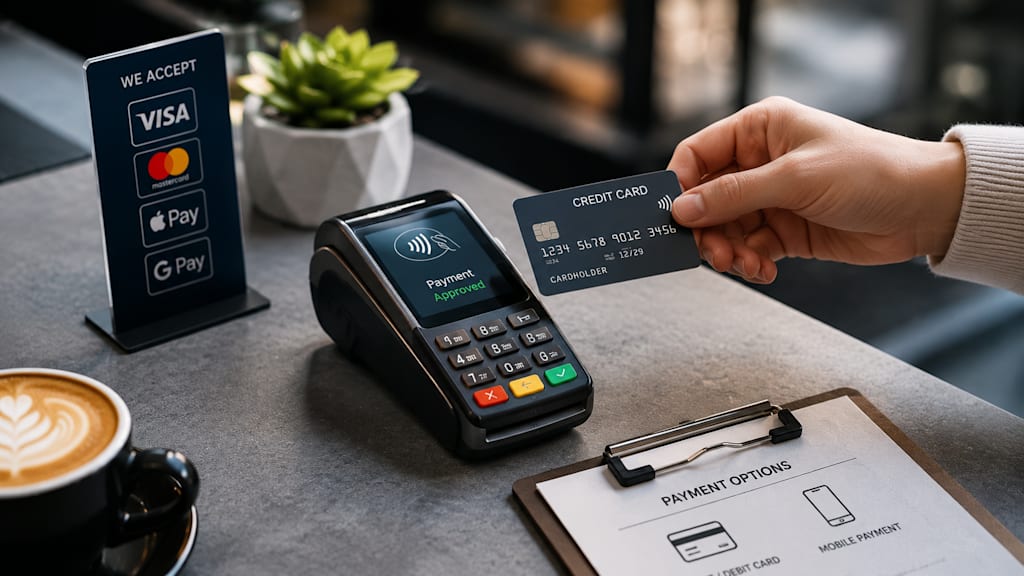
What Is CashSwipe? A Neutral Explanation of the Business Model
When searching for CashSwipe online, you’ll likely encounter a mix of business opportunity discussions, residual income conversations, and merchant services content. To reduce confusion, it helps to define the entity clearly and in a structured way.
This article provides a neutral explanation of what CashSwipe is, how the model operates, and what it is not. The goal is clarity, not endorsement or criticism.
What CashSwipe Is Structurally
CashSwipe operates within the merchant services industry. Structurally, it follows a partner-based model that helps small and mid-sized businesses manage credit card processing costs through legally structured cash discount programs.
In traditional payment processing, merchants pay a percentage-based fee on every card transaction. Cash discount programs are structured so that the listed price reflects card-based payments, while customers who pay with cash may receive a discount. When implemented properly and transparently, this shifts certain processing costs away from the merchant.
Regulatory bodies such as the Federal Trade Commission (FTC) emphasize that pricing disclosures must be clear and comply with the law. Cash discount programs are legal in most states when structured in accordance with applicable guidelines and properly disclosed to consumers.
CashSwipe’s role is not that of a bank or financial institution, but rather as a structured education and partnership platform within the merchant services space.
How the Partner Model Works
CashSwipe uses a partner-based structure. Individuals who participate in the model work with local businesses to implement compliant payment processing solutions. The focus is on transparency, pricing clarity, and merchant education.
When a merchant account is onboarded and begins processing transactions, payment processors collect transaction fees as part of the broader electronic payment infrastructure described by the Federal Reserve.
Partners may earn compensation through residual structures tied to transaction activity. Residual income in this context means that as long as a merchant account remains active and processes payments, compensation continues according to the agreed structure.
This compensation is not derived from investing, trading, or financial speculation. It is connected to real-world transaction volume generated by businesses accepting payments.
What CashSwipe Is Not
Clarity is important when defining any business model. CashSwipe is not:
An investment platform
A stock or cryptocurrency program
A financial advisory service
A get-rich-quick system
A passive income vehicle without setup
It does not involve pooling funds, offering securities, or providing financial advice. Merchant services partnerships operate differently: they are service- and operational-based rather than investment-based.
Additionally, while compensation may be recurring, it is not automatic without initial setup. Partners must engage with businesses, explain pricing structures, and maintain professional relationships. The model involves service and communication, not detachment.
Cash Discount Programs in Context
Cash discount programs are often misunderstood. They differ from surcharging models and must comply with state-level regulations.
In practice, a compliant cash discount program requires:
Clear signage
Transparent receipt formatting
Proper merchant onboarding
Adherence to card network guidelines
When implemented properly, the program enables merchants to reduce their effective processing costs while remaining in compliance with the law.
CashSwipe positions itself as an entity that helps partners understand and implement these structures responsibly.
How Residuals Are Earned (Factually Explained)
In merchant services, compensation is often structured as a percentage of transaction volume. Each time a customer uses a card, processing fees are distributed among the issuing bank, the acquiring bank, the card network, and the processor.
A partner’s residual compensation, when applicable, is derived from the processor’s allocated share, not from merchant deposits or external funding pools.
Educational financial platforms such as NerdWallet outline how processing fees are structured and distributed. Understanding this distribution clarifies how residual compensation is tied to transaction activity rather than speculative gains.
Residual does not mean guaranteed. It reflects ongoing activity within an established account.
Effort and Setup Requirements
Like most local partnership-based models, CashSwipe requires initial setup. This includes:
Identifying potential business partners
Explaining pricing structures clearly
Completing onboarding documentation
Ensuring compliance standards are met
Merchant services are relationship-driven. Residual income structures can become predictable over time, but they are built on professional engagement and consistency, not automation alone.
Why Clear Definitions Matter
For branded searches, entity clarity is essential. CashSwipe is best understood as a merchant services partnership and education platform centered on compliant cash discount programs and transaction-based compensation structures.
It is not an investment scheme, a financial advisory service, or a hands-off income model that requires no effort.
By defining what the model is and what it is not, potential participants can evaluate it based on an accurate structural understanding rather than assumptions.
Clarity supports informed decisions.
About the Creator
Taylor Smith
Passionate about all things business, constantly exploring new strategies and trends to drive growth and success in the ever-evolving market.
Enjoyed the story? Support the Creator.
Subscribe for free to receive all their stories in your feed.
Comments
There are no comments for this story
Be the first to respond and start the conversation.