
What is an injection moulding machine?
Injection moulding machine
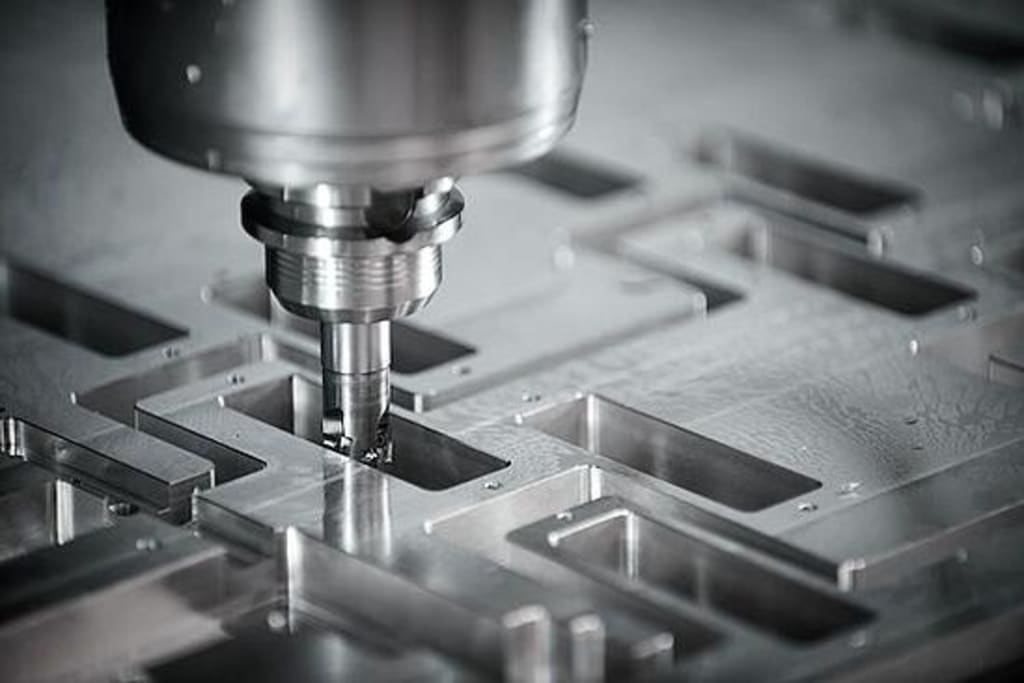
An injection moulding machine, also known as a precision plastic injection moulding press or injection moulding unit, is a specialized manufacturing machine used in the injection moulding process. It is designed to melt and inject molten plastic material into a mold cavity to produce plastic parts.
An injection moulding machine is a type of manufacturing equipment used to produce plastic parts through the injection moulding process. It is a highly versatile and widely used machine in various industries, including automotive, electronics, medical, packaging, and consumer goods.
The injection moulding process involves melting plastic materials and injecting them into a mold cavity under high pressure. Once the molten plastic cools and solidifies inside the mold, it is ejected to form a finished product. Precision plastic injection moulding allows for the production of complex and intricate shapes with excellent precision and repeatability.
The basic components of an injection moulding machine include:
Injection Unit
This unit is responsible for melting and injecting the plastic material into the mold. It consists of a hopper, where the plastic pellets or granules are fed, and a heated barrel with a reciprocating screw or a plunger mechanism that melts and pushes the molten plastic forward. The injection unit also includes heaters to raise the temperature of the barrel and melt the plastic.
Mold Clamping Unit
The mold clamping unit holds the two halves of the mold together during the injection process. It consists of a clamping mechanism, which applies sufficient force to keep the mold securely closed, and a moving platen that opens and closes the mold. The clamping unit is responsible for providing the necessary force to keep the mold closed and withstand the injection pressure.
Mold
The mold defines the shape and features of the final plastic part. It consists of two halves, a core, and a cavity, which are precision-machined to create the desired part geometry. The mold also includes channels and gates through which the molten plastic flows into the cavity. The mold is mounted on the stationary platen of the machine, and the moving platen applies force to keep the mold closed during injection.
Heating and Cooling System
The precision plastic injection moulding machine has a heating system to melt the plastic and a cooling system to solidify the plastic inside the mold. The heating system typically includes heaters in the barrel to heat the plastic material. The cooling system consists of water channels or oil channels within the mold that help extract heat from the molten plastic and solidify it. The cooling process is crucial for maintaining the shape and dimensional stability of the molded part.
Hydraulic or Electric System
Injection moulding machines use hydraulic or electric systems to provide power and control various functions of the machine. These systems control the movements of the mold clamping unit, the injection unit, and other auxiliary functions.
Control System
Precision plastic injection moulding machines are equipped with a control panel or computerized system to monitor and control various parameters, such as temperature, pressure, injection speed, and cycle time. The control system ensures precise control over the moulding process and helps maintain consistent quality. It allows operators to set and adjust parameters based on the specific requirements of the part being molded.
Hopper and Material Feed System
The hopper is a container that holds the plastic pellets or granules to be melted and injected. The material feed system transports the plastic material from the hopper to the injection unit, ensuring a consistent and controlled supply of material.
Ejection System
After the plastic part has solidified in the mold cavity, the ejection system is used to push or eject the part from the mold. It may consist of ejector pins, air blasts, or other mechanisms to release the part from the mold.
Injection moulding machines come in various sizes and configurations, ranging from small machines used for producing small plastic parts to large machines capable of producing complex and large-scale components. The specific design and features of a precision plastic injection moulding machine can vary depending on the injection molds manufacturer and the intended application.
About the Creator
Enjoyed the story? Support the Creator.
Subscribe for free to receive all their stories in your feed.
Comments
There are no comments for this story
Be the first to respond and start the conversation.