
What is a Traffic Control Flagger? A Comprehensive Guide
A traffic control flagger is a trained professional who directs traffic safely around construction zones and protects workers, drivers, and pedestrians.

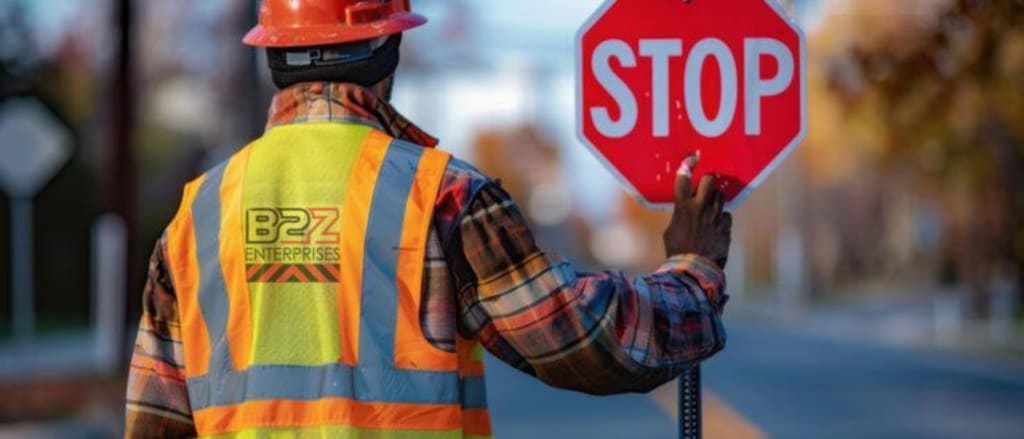
Every day, thousands of road construction zones are established, and at each project, you must have seen a traffic control flagger. These professionals are often ignored, but they are those frontline heroes who keep both workers and drivers safe. According to the CDC, over 800 work zone deaths have been reported in 2024 in the U.S. only. The fact is that these lives would have been saved. In this article, we will explain to you in detail who flaggers are, what they do, and why their job matters.
An Introduction to Traffic Control Flaggers
In simple words, a traffic control flagger is a trained professional of a government agency or private traffic control flagger company who literally directs traffic safely through construction zones, roadwork sites, utility jobs, or accident sites. This individual has a STOP/SLOW paddle in hand and wears reflective gear for visibility. They are a sort of human traffic light, as they react to unpredictable situations in real time. Suppose a fallen tree has blocked the road or detour on a narrow one-lane road; flaggers keep on moving the traffic and reduce the chances of collisions.
Key Skills and Traits of a Flagger
A highway traffic control flagger should possess certain skill sets and characteristics. It’s not an easy job to do. Every vehicle, every distracted driver, and every change in weather tests the flagger’s alertness and skill. It demands both mental sharpness and physical grit. Here are the basic skills and traits that define a flagger:
- Clear Communication & Hand Signals: Flaggers are the voice of the road when machines are working at full speed. Accuracy in signals controls traffic and prevents confusion.
- Laser-Sharp Alertness: A second’s distraction or laziness can lead to a disaster. A flagger should have sharp eyes and act in a matter of seconds.
- Physical Endurance: Rain, heat, or snow—the flagger stands firm. Long hours on foot demand stamina and endurance.
- Calm Conflict Handling: Angry drivers? Tense situations? A good flagger knows how to calm down, not escalate. Patience is power.
Tools and Equipment Used
There are some tools and equipment that are vital for the job of a flagger on the road. Without them, they are not useful in the work zone. Below is the list of the essential tools flaggers use:
- STOP/SLOW Paddles: These are double-sided signs of “STOP” or “SLOW” that help to manage traffic with clarity and precision.
- High-Visibility Gear: Fluorescent vests, jackets, and hard hats make flaggers visible in low-light or high-traffic areas.
- Personal Protective Equipment (PPE): It includes safety boots, gloves, and eye protection.
- Two-Way Radios: For communication with other crew members or during emergency situations.
- Signal Flags: Often used when paddles are not useful.
- LED Flashlights & Illuminated Batons: These are mostly used by road construction flaggers in night shifts or foggy conditions.
- Traffic Cones & Barricades: Used to establish safe work zones and guide drivers.
- Portable Warning Signs: Early notice to drivers about road conditions ahead.
- Whistles or Air Horns: Quick auditory alerts to get instant attention.
Training and Certification Requirements
To be a traffic control flagger, an individual has to take training and certification from an institute or organization to use traffic control equipment rental or of their own. There are some special skills and knowledge that can be gained only through training. So, if you want to become one, pursue the following courses:
Required Training Programs:
- ATSSA (American Traffic Safety Services Association): One of the most prestigious programs nationwide.
- NSC (National Safety Council): They also offer classroom and online study options.
- State-Specific Certifications: Different states have different rules (e.g., Texas/OSHA training).
What You'll Learn:
- Right technique for flagging signals and right positions
- Work zone setup and risk awareness
- Emergency communication and traffic flow control
- Legal responsibilities and safety laws
Recertification & Ongoing Education:
- Most of the certifications are valid for 2 to 4 years
- Refresher courses make certain that flaggers stay updated with always changing traffic laws and techniques
- Some employers offer paid training or reimburse certifications
Closing Remarks
Traffic control flaggers play a huge role in keeping roads safe for drivers, pedestrians, and construction workers. They're our frontline heroes who save lives with their duty. Drivers should always respect their direction, not to show you courtesy, but because it’s critical for everyone’s safety. If you're thinking about becoming a flagger or hiring one, remember that proper training and professionalism matter. Or just simply hire B2Z Enterprises, a leading and reliable traffic control company in Texas. They are well known for their commitment to safety and outstanding service.
About the Creator
B2Z Enterprises
B2Z Enterprises is a trusted provider of traffic control safety services across Texas. With certified crews, 24/7 availability, we specialize in lane closures, flagging, detours, signage, and crash protection for highway projects, and more!
Enjoyed the story? Support the Creator.
Subscribe for free to receive all their stories in your feed.
Comments
There are no comments for this story
Be the first to respond and start the conversation.