
What Happens If You Don’t Remove Your Wisdom Teeth?
Leaving Wisdom Teeth Untreated: Potential Problems and Risks

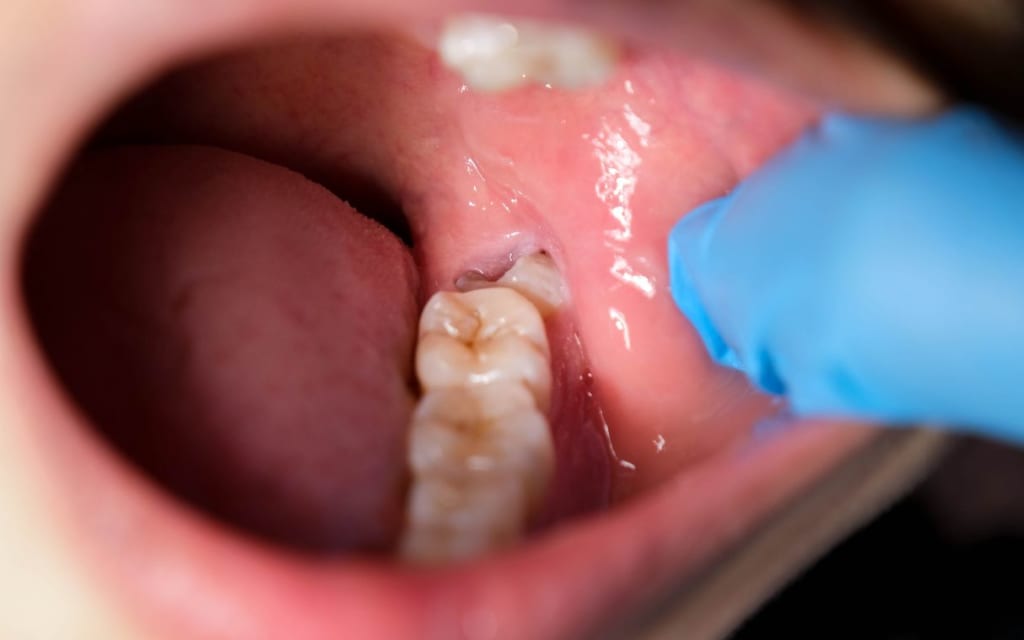
Wisdom teeth often feel like dental drama waiting to happen. These late-blooming molars can either behave perfectly or stir up a storm in your mouth. While not everyone needs to have their wisdom teeth removed, ignoring problematic ones can lead to serious oral health issues. So, what exactly happens if you don’t remove your wisdom teeth when advised?
Let’s explore the potential risks, symptoms, and long-term consequences of keeping those third molars—and why Wisdom Teeth Extractions in Cambridge might be your safest bet.
Understanding the Role of Wisdom Teeth
Wisdom teeth, also known as third molars, usually emerge between the ages of 17 and 25. They’re called “wisdom teeth” because they appear at a more mature age. Most adults have four—two on the top and two on the bottom. In some cases, wisdom teeth come in straight and cause no issues. However, for many people, there isn’t enough room in the mouth for these extra teeth, leading to complications.
According to the American Association of Oral and Maxillofacial Surgeons (AAOMS), 90% of people have at least one impacted wisdom tooth, meaning it does not fully emerge or align properly with other teeth.
1. Impacted Wisdom Teeth: A Silent Threat
When wisdom teeth are impacted, they’re trapped beneath the gum line and unable to grow in properly. This can cause a host of problems, including:
- Pain and swelling in the back of the mouth
- Difficulty opening the mouth
- Gum infections or cysts
Even if you don’t feel any symptoms right away, impacted wisdom teeth can slowly damage nearby teeth and jawbone over time.
1. Crowding and Misalignment
One of the most common consequences of not removing wisdom teeth is dental crowding. As wisdom teeth try to push their way in, they can shift the surrounding teeth out of alignment. This is especially frustrating for people who have had orthodontic work in the past.
A study published in the Journal of Oral and Maxillofacial Surgery found that 82% of young adults experienced crowding due to erupting wisdom teeth, especially in the lower jaw. This means that skipping removal could undo years of dental work.
2. Gum Infections and Inflammation
Because impacted wisdom teeth are hard to clean, they become breeding grounds for bacteria. This can lead to pericoronitis, a painful gum infection that typically affects the tissue around a partially erupted tooth. Symptoms include:
- Red, swollen gums
- Pus discharge
- Bad breath
- Difficulty chewing or swallowing
Untreated gum infections can spread to nearby areas and even cause systemic infections in rare cases, especially in people with weakened immune systems.
3. Tooth Decay and Cavities
Even if your wisdom teeth erupt fully, they can still be a problem. Their position at the back of the mouth makes them hard to reach with a toothbrush and floss, increasing the risk of cavities. According to the Centers for Disease Control and Prevention (CDC), over 90% of U.S. adults have had cavities, and wisdom teeth are often prime contributors.
Cavities in wisdom teeth can quickly spread to neighboring molars, leading to more extensive (and expensive) dental treatments down the road.
4. Cyst Formation and Bone Damage
When a wisdom tooth stays trapped in the jawbone, it can form a fluid-filled sac called a cyst. Over time, cysts can expand and destroy the surrounding bone and teeth. In rare cases, they may develop into benign tumors that require surgical removal.
The AAOMS warns that cysts and other growths associated with impacted teeth can cause irreversible damage if not addressed early.
5. Chronic Jaw Pain and Headaches
The pressure from erupting or impacted wisdom teeth can strain your jaw joints (TMJ), leading to ongoing discomfort. Many patients report frequent jaw pain, tension headaches, and even neck pain that mysteriously disappears after wisdom teeth removal.
If you’ve been dealing with chronic tension or tightness in the back of your mouth, your wisdom teeth might be the hidden culprit.
Conclusion: Prevention Is Better Than Complication
While not every wisdom tooth needs to be removed, it's crucial to monitor their development through regular dental checkups and X-rays. If your dentist or oral surgeon recommends removal, it's usually for a good reason.
Choosing Wisdom Teeth Extractions not only protects your smile but can prevent painful, costly complications down the line. Whether it's to avoid infection, maintain alignment, or simply ease jaw discomfort, proactive removal can make a world of difference.
Don't wait for wisdom teeth to become a bigger problem—get ahead of the pain and protect your long-term oral health.
About the Creator
Dr. R Kaur Family Dentistry
Dr. R Kaur Family Dentistry provides compassionate, modern dental care for all ages. We’re dedicated to helping you achieve a healthy, beautiful smile in a comfortable, welcoming environment.
Enjoyed the story? Support the Creator.
Subscribe for free to receive all their stories in your feed.
Comments
There are no comments for this story
Be the first to respond and start the conversation.