
What Happens if the Other Driver Claims You Are Partially at Fault for the Accident?
In states that follow comparative fault laws, even if you are partially responsible for the accident, you can still recover damages.
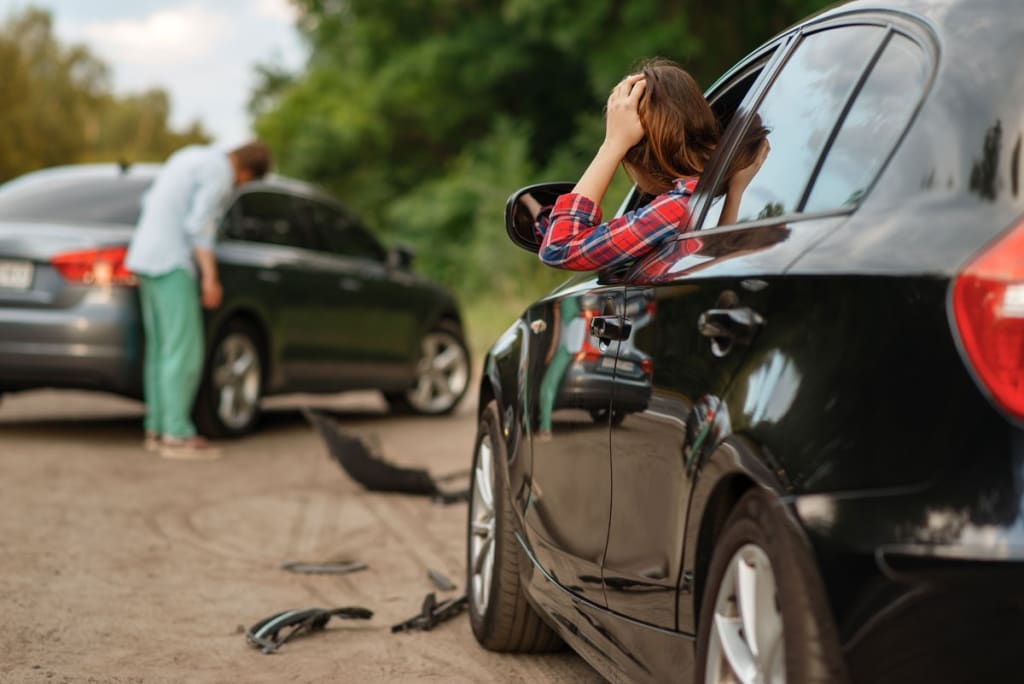
In the aftermath of a car accident, it’s common for the involved parties to disagree on who is at fault. What happens when the other driver claims that you are partially responsible for the accident? This can complicate your case, especially when it comes to determining who will pay for damages. Understanding how partial fault impacts your legal rights can help you navigate the situation effectively.
Understanding Fault in Car Accidents
When two drivers are involved in an accident, the law looks at who was at fault. Fault can be shared in some cases, meaning both drivers contributed to the accident. Many states follow a system called comparative fault, which allows both parties to be assigned a percentage of blame. If the other driver claims you were partially at fault, it could significantly impact your ability to recover compensation for your damages.
The Comparative Fault System
In states that follow comparative fault laws, even if you are partially responsible for the accident, you can still recover damages. However, the amount you can receive will be reduced by your percentage of fault. For example, if you are found to be 30% at fault for the accident, you will only receive 70% of the total damages.
There are two types of comparative fault systems: pure comparative fault and modified comparative fault. In a pure comparative fault state, you can recover damages no matter how much fault you have. In a modified comparative fault state, your ability to recover damages is limited if you are found to be more than 50% at fault.
What to Do if You’re Accused of Being Partially at Fault?
If the other driver accuses you of being partially responsible, it's crucial to respond carefully. The first step is to remain calm and avoid admitting fault, as this can affect your case negatively. Instead, make sure to gather as much evidence as possible to support your version of the events. This could include:
● Photos of the scene of the accident
● Statements from witnesses
● Police reports
● Surveillance footage (if available)
This evidence will be vital in proving that the other driver’s claims of fault are inaccurate or exaggerated. It is also advisable to consult an experienced attorney car wreck cases, who can help you navigate the legal complexities and ensure your rights are protected.
Insurance and Fault Claims
Insurance companies often play a major role in determining who is at fault and how compensation is divided. If the other driver claims you are partially at fault, your insurance company may adjust your claim accordingly. This could result in higher out-of-pocket costs for you or a reduced payout for your damages.
Your insurance company may attempt to settle the claim quickly, but it’s important not to accept an offer without consulting an attorney. Settlements made in the early stages of a case may not fully account for all your losses, especially if the fault is shared.
Final Thoughts
If the other driver claims you are partially at fault for a car accident, it can complicate your case. However, by understanding how comparative fault works and working with a qualified attorney for car crash cases, you can ensure that your side of the story is heard. With the right legal guidance and evidence, you can protect your rights and seek the compensation you deserve.
About the Creator
Enjoyed the story? Support the Creator.
Subscribe for free to receive all their stories in your feed.
Comments
There are no comments for this story
Be the first to respond and start the conversation.