
What England’s New Workplace Recycling Rules Mean for Your Business
New legislation came into force in April 2025. Here’s how your business can stay compliant, cut costs, and turn waste into a win.

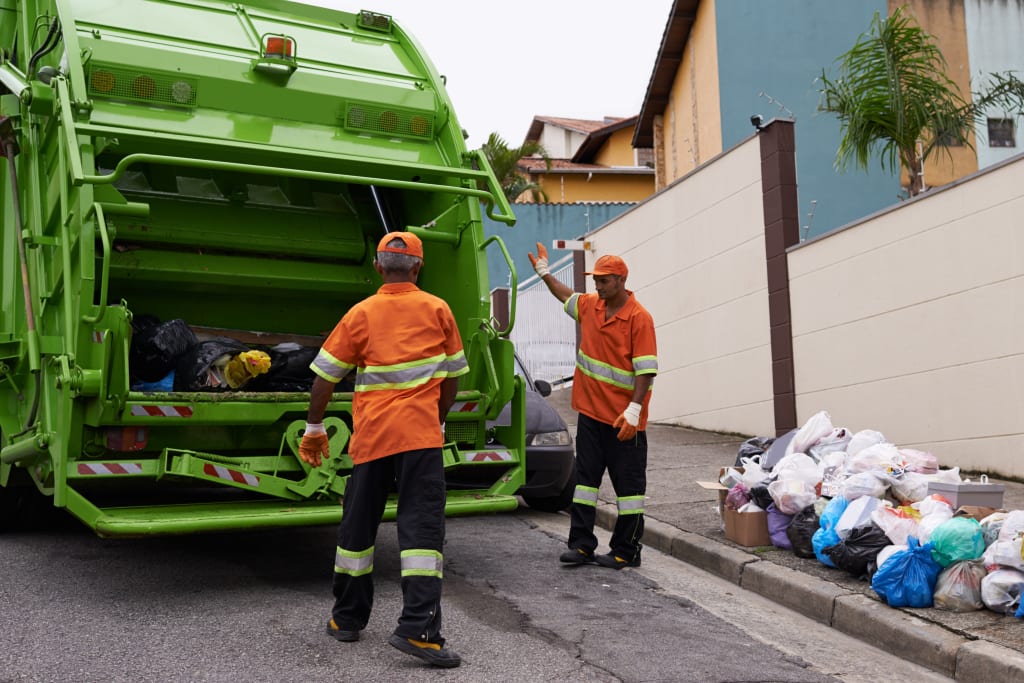
As of April 2025, businesses across England must follow new rules on how they handle waste. These regulations aim to bring commercial recycling in line with the standards already used in homes. If your business hasn’t made changes yet, now is the time.
The new requirements may feel like a headache, but they come with clear benefits. From avoiding penalties to improving your reputation and saving money, businesses that adapt quickly will be better placed to succeed.
1. What are the new workplace recycling rules?
From 6 April 2025, most businesses, public sector bodies, and charities in England are legally required to sort waste before it is collected. This means separating out recyclable materials such as paper, cardboard, plastic, glass, and food from general waste.
The aim is to make it easier for waste to be recycled rather than sent to landfill or incineration. Until now, workplace recycling has been patchy across the country. These new rules are designed to improve consistency and make the process simpler for everyone.
The official announcement is available on the UK government website.
2. Why this matters for businesses
This change is more than just another box to tick. It affects how your waste is stored, sorted, and collected. It also creates new risks and opportunities.
Failing to separate waste could lead to financial penalties. It may also result in higher waste collection costs or rejected bins. On the other hand, businesses that follow the rules can often lower their costs and reduce the environmental impact of their operations.
It is also worth noting that customers, suppliers, and employees are increasingly paying attention to how businesses deal with waste.
If you are unsure where to start, this guide to commercial waste collection breaks down the key services available.
3. What needs to be separated?
The rules vary slightly depending on your sector and location, but in most cases, you’ll need to separate the following types of waste:
- Paper and cardboard: including packaging, newspapers, and shredded documents
- Plastic, metal, and cartons: such as food trays, milk cartons, tins, and drink bottles
- Glass: mostly relevant to hospitality and healthcare
- Food waste: anything that cannot be reused or donated
- General waste: materials that do not fit into other categories
Most businesses will benefit from using dry mixed recycling for paper, plastics, and cans. You can learn more about how this works in practice in this guide to dry mixed recycling.
4. How to make the change without disruption
Switching to a compliant recycling setup is simpler than it might sound. In many cases, a few changes to bins and signage will be enough to meet the new standards.
Here are some practical steps:
- Carry out a waste audit to understand what types of waste your business produces
- Check your current waste contract and speak with your provider about updating your services
- Use colour-coded bins that match national recycling guidelines
- Label bins clearly so staff know exactly what should go where
- Train your team and encourage ongoing feedback to keep things running smoothly
A good waste provider will help you design a collection plan that fits your business and keeps you compliant.
5. What will it cost?
The cost of recycling depends on your location, the volume of waste, and how often it is collected. However, many businesses find that separating waste actually lowers their total collection costs.
That is because general waste is the most expensive to dispose of. Moving materials like cardboard and food into the correct bins often reduces the size or number of general waste collections required.
You can get a better idea of potential savings by reviewing current waste collection costs for businesses in your area.
6. Final tips to stay ahead
The new recycling rules are now in effect, so delaying action is no longer an option. Businesses that prepare now will find the change much easier to manage.
To stay ahead:
- Review your setup and make any changes early
- Get staff involved and trained
- Choose a trusted waste partner who understands the rules
- Track your recycling rates and aim for improvement over time
- Use your efforts as part of your environmental messaging
This is not just a compliance issue. It is a chance to improve efficiency and show leadership on a topic that matters to customers and communities.
If you’re ready to update your waste collections or just want advice tailored to your business, visit Commercial Waste Quotes to get started.
About the Creator
Commercial Waste Quotes
At Commercial Waste Quotes, we help businesses secure better deals on commercial waste collection and stay fully informed about their waste responsibilities.
Enjoyed the story? Support the Creator.
Subscribe for free to receive all their stories in your feed.
Comments
There are no comments for this story
Be the first to respond and start the conversation.