
What disease causes teeth to break?
Understanding Tooth Fractures
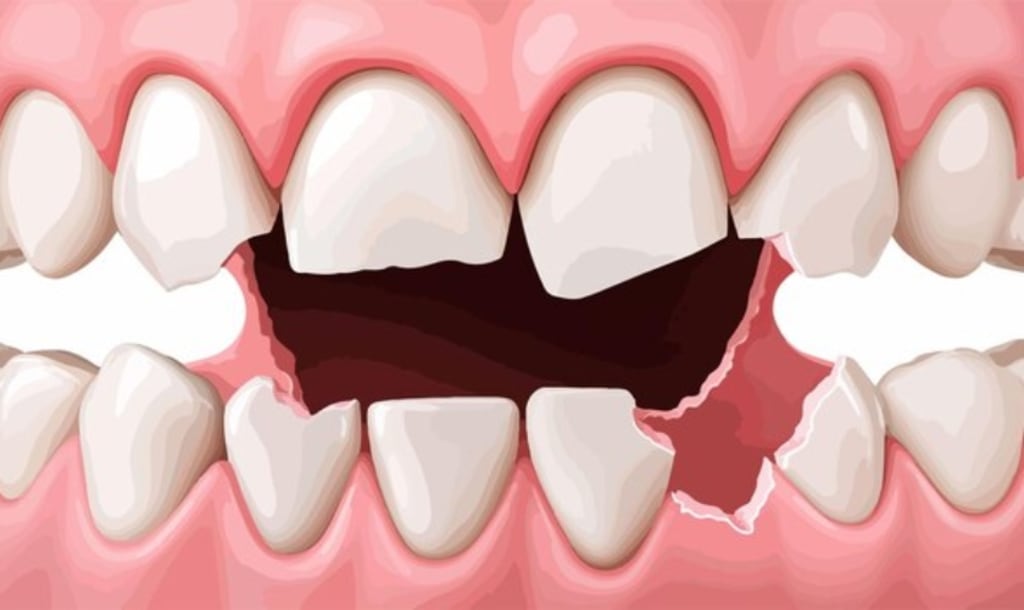
Tooth fractures or breaks can happen due to various reasons, ranging from accidents to underlying diseases. While some fractures are minor and barely noticed, others can be sudden and painful, often requiring immediate attention. Diseases that lead to tooth breakage are typically those that affect the structure or density of the teeth, making them more prone to cracking or shattering.
Diseases such as periodontitis, fluorosis, and dentin hypersensitivity can contribute to weakened teeth. Periodontitis is an infection of the gums that also affects the bone supporting the teeth, which can lead to teeth becoming loose and potentially breaking if they are subjected to force. Fluorosis is a condition caused by excessive intake of fluoride during tooth development, leading to weakened enamel. While fluorosis itself doesn't cause teeth to break directly, it makes them more susceptible to fractures over time due to weakened enamel structure.
Moreover, some systemic conditions can indirectly affect dental health. For instance, a disease like osteoporosis impacts bone density. Since teeth are anchored in bone, reduced bone density can increase the risk of tooth loss. Additionally, nutritional deficiencies, such as a lack of vitamin D and calcium, can weaken both bones and teeth, making teeth more prone to fractures.
Conditions Affecting Dental Health
Several conditions directly impact tooth health and can lead to fractures.
Periodontal Disease
Periodontal disease starts as an infection in the gums (gingivitis) but can advance to periodontitis, which affects the deeper tissues that support the teeth. As the disease progresses, it destroys the bone and periodontal ligaments that hold teeth in place. This can cause teeth to become loose and more susceptible to breaking under stress.
The progression of periodontal disease is often silent until symptoms appear, such as bleeding gums, halitosis, or loose teeth. Managing periodontal disease involves regular dental hygiene practices, professional cleanings, and sometimes surgical treatments to stabilize and rebuild the damaged tissues.
Fluorosis
Dental fluorosis is primarily cosmetic but can make teeth more prone to chipping or cracking due to the irregularities in tooth enamel structure. While it doesn't directly cause teeth to break, the weakened enamel can make teeth more susceptible to breakage if subjected to force.
Fluorosis is generally more of an aesthetic concern than a structural one. However, if the condition is severe, treating it might involve procedures like dental bonding or veneers to improve tooth appearance and protect the teeth from further damage.
Dentin Hypersensitivity
Dentin hypersensitivity occurs when the dentin layer beneath the enamel is exposed, often due to gum recession or worn enamel. While sensitive teeth don't typically break easily just because they are sensitive, frequent stimuli can cause stress on the teeth, especially if the sensitivity is so severe that it affects normal chewing habits.
Solving dentin hypersensitivity may involve treating the underlying cause, using desensitizing toothpaste, or applying varnishes to block the dentinal tubules, which are the source of the sensitivity.
Erosion and Abrasion
Tooth erosion is the wearing away of tooth enamel due to acids, usually from dietary sources or reflux. Abrasion occurs due to physical wear, often from brushing too hard. Both can weaken teeth and increase the risk of fractures over time.
Managing erosion and abrasion involves identifying and addressing the source of the problem, such as lifestyle changes or using a soft-bristled toothbrush. Fluoride treatments can help strengthen weakened enamel, while applying dental sealants or varnishes can protect teeth further.
Osteoporosis and Nutritional Deficiencies
While osteoporosis primarily affects bone density, there is some evidence suggesting that it can also impact the jawbone, potentially increasing tooth loss risk. Nutritional deficiencies, such as a lack of calcium or vitamin D, affect bone health and can indirectly weaken the support structures for teeth.
Managing these conditions involves dietary changes and supplements to improve bone health. This not only benefits overall health but also reduces the risk of dental complications.
Preventing and Treating Tooth Breaks
Preventing tooth fractures often involves a combination of good dental habits and addressing any underlying conditions that could weaken teeth.
Good dental hygiene, including regular brushing with fluoride toothpaste, flossing, and dental check-ups, can help identify and manage diseases before they cause significant damage. Additionally, reducing sugary and acidic foods in the diet can help prevent enamel erosion and decay, which are both risk factors for tooth fractures.
For teeth that have already broken, treatments vary depending on the severity of the fracture. Minor chips might be corrected with dental bonding, while more extensive breaks may require crowns or root canals if the pulp is exposed.
In situations where the breakage is severe or sudden, seeking assistance from an emergency dentist can be crucial. Prompt treatment is essential for saving the tooth and restoring its function.
Living with Weakened Teeth
If you have weakened teeth due to a disease or other factors, managing this condition effectively is key to maintaining oral health. This involves being mindful of the foods you eat—avoiding hard or sticky foods can reduce the risk of further damage.
Furthermore, regular dental visits become even more important when managing weakened teeth. Dentists can monitor the condition and provide advice tailored to your specific needs. They might recommend additional fluoride treatments or other preventive measures to strengthen teeth.
In the event of a dental emergency, knowing how to act quickly can save a tooth from being lost entirely. Keeping emergency contact information handy and understanding the steps to take until help arrives can make a significant difference in the outcome.
Overall, while diseases that cause teeth to break can be challenging, early intervention and good dental care can significantly reduce the risk. By understanding the conditions that weaken teeth and taking proactive steps to manage them, you can enjoy healthier teeth for years to come.
About the Creator
Dentist Riverside - TranscenDental Smiles
Your trusted dentist in Riverside, CA! Dentist Riverside - TranscenDental Smiles offers personalized care, from implants to whitening, to keep your smile healthy and radiant.
Enjoyed the story? Support the Creator.
Subscribe for free to receive all their stories in your feed.
Comments
There are no comments for this story
Be the first to respond and start the conversation.