
What Can Invisalign Fix? Common Dental Issues Addressed
Invisalign: Transforming Smiles by Fixing Crowding, Gaps, and Bite Issues with Clear, Comfortable Aligners

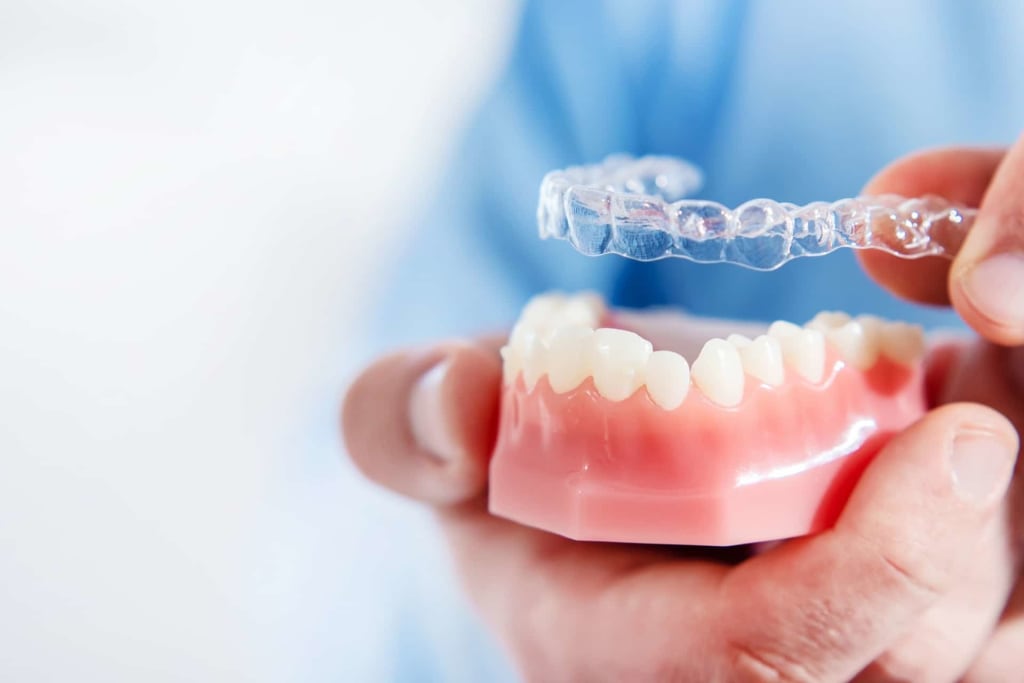
A confident smile can make all the difference, but many people feel self-conscious about misaligned teeth or bite issues. Traditional metal braces have long been a solution, but they’re not always the most appealing option for adults or teens who want a discreet way to straighten their teeth. Enter Invisalign—a modern, nearly invisible alternative that’s transformed orthodontic treatment. But what exactly can Invisalign fix? Let’s explore the common dental issues Invisalign addresses, how it works, and why it’s a game-changer for so many.
Understanding Invisalign
Invisalign uses a series of clear, removable aligners custom-made to fit your teeth. These aligners gradually shift your teeth into the desired position over time. Unlike traditional braces, Invisalign aligners are virtually invisible, comfortable, and easy to remove for eating, brushing, and flossing. This makes them a popular choice for people seeking a less invasive orthodontic solution.
Invisalign is effective for a wide range of dental issues, from mild to moderately complex cases. However, the success of treatment depends on the expertise of your orthodontist and your commitment to wearing the aligners as prescribed (typically 20-22 hours per day). Let’s dive into the specific dental problems Invisalign can correct.
Crowded Teeth: Creating Space for a Balanced Smile
Crowded teeth occur when there’s not enough space in your jaw for all your teeth to align properly. This can lead to overlapping or crooked teeth, which not only affect your smile’s appearance but can also make brushing and flossing difficult, increasing the risk of cavities and gum disease.
Invisalign works wonders for mild to moderate crowding by gently shifting teeth into proper alignment. The aligners apply controlled pressure to create space and guide teeth into their ideal positions. For severe crowding, an Invisalign Dentist Spokane may recommend complementary treatments, like tooth extraction, to achieve the best results. By addressing crowding, Invisalign not only enhances aesthetics but also improves oral health.
Gapped Teeth: Closing the Spaces
Gaps between teeth, also known as diastema, can be a cosmetic concern for many. While some embrace their gaps as a unique feature, others prefer a more uniform smile. Gaps can also contribute to gum issues if food gets trapped in the spaces.
Invisalign is highly effective at closing small to moderate gaps by gradually moving teeth closer together. The aligners are designed to apply precise forces, ensuring the gaps close evenly without compromising the overall alignment of your smile. For larger gaps, your Invisalign Dentist Spokane might combine Invisalign with other orthodontic techniques to achieve optimal results.
Overbite: Correcting Bite Misalignment
An overbite occurs when the upper front teeth overlap significantly with the lower front teeth. This can cause jaw discomfort, uneven tooth wear, and even speech difficulties in some cases. While mild overbites may not cause immediate problems, severe cases can lead to long-term dental issues.
Invisalign can correct mild to moderate overbites by repositioning the teeth and, in some cases, adjusting the jaw’s alignment. The aligners work to reduce the overlap, creating a more balanced bite. For more complex overbites, your dentist may recommend additional treatments, but Invisalign is often a great starting point for improving both function and appearance.
Underbite: Aligning the Lower Jaw
An underbite is the opposite of an overbite, where the lower teeth protrude past the upper teeth. This misalignment can lead to chewing difficulties, jaw pain, and a less harmonious facial profile. Underbites are often more noticeable and can affect self-confidence.
Invisalign can address mild to moderate underbites by shifting the lower teeth back and the upper teeth forward to achieve proper alignment. In some cases, attachments (small tooth-colored dots) are used to enhance the aligners’ grip and improve movement. For severe underbites, surgical intervention may be necessary, but Invisalign can still play a role in the overall treatment plan.
Crossbite: Fixing Misaligned Bites
A crossbite occurs when some upper teeth sit inside the lower teeth when the jaw is closed. This can affect one or both sides of the mouth and may lead to uneven tooth wear, gum recession, or jaw discomfort. Crossbites can also contribute to an asymmetrical smile.
Invisalign is well-suited for correcting crossbites by gradually moving the affected teeth into their proper positions. The aligners work to align both the upper and lower arches, ensuring a balanced bite. For children or teens with developing jaws, Invisalign First (designed for younger patients) may be an option to address crossbites early.
Open Bite: Closing the Gap Between Arches
An open bite is when the upper and lower teeth don’t meet when the mouth is closed, leaving a visible gap. This can be caused by habits like thumb-sucking, tongue-thrusting, or prolonged pacifier use in childhood. Open bites can affect speech, chewing, and overall facial aesthetics.
Invisalign can treat open bites by repositioning the teeth to close the gap and improve contact between the upper and lower arches. The aligners are customized to address the specific movements needed, and in some cases, elastic bands or attachments are used to enhance results. Treating an open bite with Invisalign can significantly improve both function and appearance.
Misaligned Teeth: Straightening for a Polished Look
General misalignment, where teeth are crooked or unevenly spaced, is one of the most common reasons people seek Invisalign treatment. Misaligned teeth can detract from your smile and make oral hygiene more challenging, increasing the risk of plaque buildup and gum issues.
Invisalign excels at straightening misaligned teeth, whether the issue is mild or moderately complex. The aligners are designed to move each tooth precisely, creating a seamless, polished smile. The ability to remove the aligners also makes it easier to maintain good oral hygiene during treatment, reducing the risk of complications.
Who’s a Good Candidate for Invisalign?
Invisalign is suitable for teens and adults with mild to moderate dental issues, including those listed above. It’s particularly popular among professionals, students, and anyone who wants a discreet way to improve their smile. However, Invisalign requires discipline—patients must wear the aligners for the recommended 20-22 hours per day and follow their dentist’s instructions closely.
Certain factors, like severe malocclusions or uncooperative patients, may limit Invisalign’s effectiveness. A thorough consultation with your dentist will help determine if Invisalign is right for you. They’ll use digital scans or impressions to create a 3D model of your teeth, allowing you to see a preview of your potential results.
The Invisalign Process: What to Expect
The Invisalign journey begins with a consultation, where your dentist evaluates your teeth and discusses your goals. If Invisalign is a good fit, they’ll create a customized treatment plan using advanced 3D imaging technology. You’ll receive a series of aligners, each worn for about one to two weeks, to gradually shift your teeth.
Regular check-ins with your dentist ensure your treatment stays on track. Most patients complete their Invisalign treatment in 6 to 18 months, depending on the complexity of their case. After treatment, a retainer is typically recommended to maintain your new smile.
Why Choose Invisalign?
Invisalign offers a unique blend of aesthetics, convenience, and effectiveness. Its clear aligners are nearly invisible, making it a favorite for those who want to straighten their teeth without drawing attention. The ability to remove the aligners for meals and oral hygiene also sets it apart from traditional braces, offering greater flexibility and comfort.
Beyond aesthetics, Invisalign improves oral health by addressing issues like crowding, gaps, and bite problems that can lead to long-term complications. With proper care and commitment, Invisalign can transform your smile and boost your confidence.
Transform Your Smile with Invisalign
If you’re dealing with crowded teeth, gaps, or bite issues, Invisalign could be the solution you’ve been looking for. Its discreet, comfortable, and effective approach has made it a top choice for people seeking a confident smile without the hassle of traditional braces. By addressing a wide range of dental issues, Invisalign not only enhances your appearance but also promotes better oral health. Ready to explore your options? Schedule a consultation with a trusted orthodontist to see how Invisalign can work for you.
About the Creator
Trailhead Dental of Spokane
Trailhead Dental of Spokane offers top-tier dental care. As your trusted dentist in Spokane, WA, we provide preventive, cosmetic, restorative, implants, sedation, and emergency services in a welcoming, stress-free setting.
Enjoyed the story? Support the Creator.
Subscribe for free to receive all their stories in your feed.
Comments
There are no comments for this story
Be the first to respond and start the conversation.