
What Are the Most Effective Treatments for Bad Breath?
Bad Breath Treatments
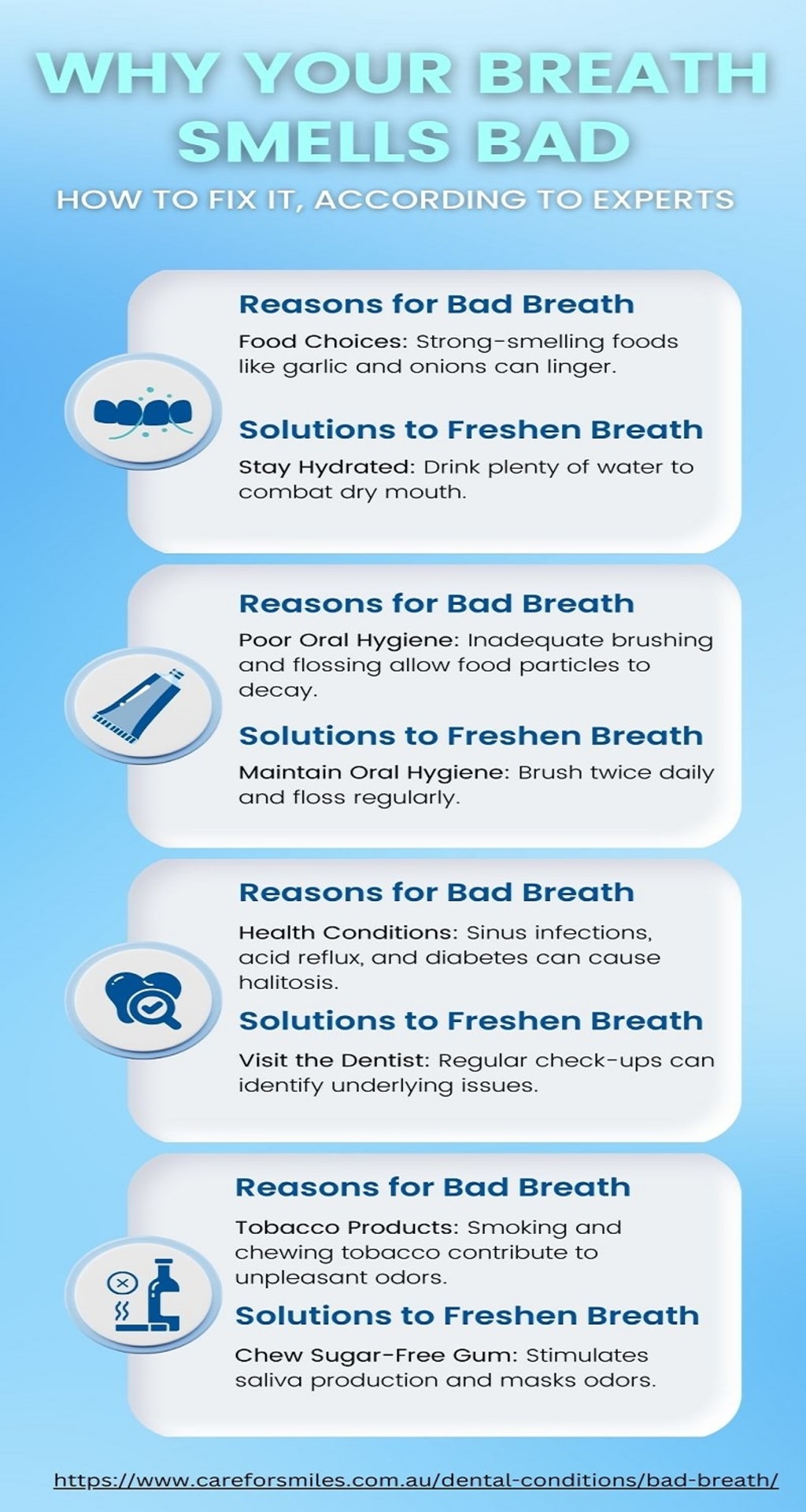
Bad breath, also known as halitosis, can be an embarrassing and persistent problem that affects many people. While occasional bad breath is common, chronic halitosis can signal deeper issues that require attention. The good news is, there are effective treatments to combat this condition and help you regain fresh breath. In this article, we’ll explore the most effective treatments for bad breath, from simple at-home remedies to professional dental care, and provide tips to prevent it from recurring. Whether it’s caused by poor oral hygiene, diet, or health conditions, there are solutions available to tackle the root of the problem.
1. Practice Proper Oral Hygiene
The foundation of any effective bad breath treatment starts with good oral hygiene. Brushing your teeth at least twice a day and flossing daily helps remove food particles and plaque that can cause bad breath. Make sure to brush your tongue as well, as bacteria can build up there and contribute to unpleasant odors. Using an antibacterial mouthwash can also help kill odor-causing bacteria and keep your breath fresh throughout the day.
2. Stay Hydrated
Dry mouth, also known as xerostomia, is a leading cause of bad breath. When your mouth lacks saliva, it can't properly wash away food particles and bacteria. Staying hydrated by drinking plenty of water can help prevent dry mouth and flush out bacteria that cause bad breath. For those who experience chronic dry mouth, your dentist may recommend specialized mouthwashes or saliva substitutes to help keep your mouth moist.
3. Watch Your Diet
Certain foods, like garlic, onions, and spicy dishes, can contribute to bad breath. While avoiding these foods altogether might not be practical, limiting them can help reduce unpleasant odors. Incorporating breath-friendly foods such as apples, carrots, and yogurt into your diet can help neutralize odors. These foods stimulate saliva production and help naturally cleanse your mouth.
4. Quit Smoking
Smoking is a major contributor to bad breath and can lead to long-term oral health issues. Tobacco not only leaves an unpleasant smell but also dries out your mouth, creating a perfect environment for bacteria to thrive. Quitting smoking is one of the most effective ways to improve your breath and overall oral health. It reduces your risk of gum disease, tooth decay, and persistent bad breath.
5. Schedule Regular Dental Checkups
Regular visits to your dentist are essential for maintaining fresh breath. Your dentist can spot and treat any underlying dental issues, such as gum disease or cavities, that may be causing bad breath. Professional cleanings can also remove plaque and tartar buildup, which can harbor odor-causing bacteria. If chronic bad breath persists despite good oral hygiene, your dentist may investigate other potential causes, such as infections or sinus issues, and recommend appropriate treatment.
By following these treatments and maintaining a healthy oral care routine, you can effectively tackle bad breath and enjoy long-lasting fresh breath.
6. Try Natural Remedies
For those who prefer natural solutions, several remedies can help combat bad breath. Chewing fresh herbs like parsley, mint, or basil can act as natural breath fresheners due to their antibacterial properties. Drinking green tea is also beneficial, as it contains antioxidants that fight bacteria and reduce sulfur compounds responsible for bad breath. Additionally, rinsing with a saltwater solution can help reduce bacteria levels in the mouth, promoting a cleaner, fresher feeling.
7. Consider Probiotics
Imbalanced gut bacteria can sometimes contribute to bad breath. Probiotics, which are beneficial bacteria, can help restore balance within the digestive tract and reduce bad breath caused by gastrointestinal issues. Consuming probiotic-rich foods like yogurt, kefir, and fermented vegetables, or taking probiotic supplements, may improve not only gut health but also oral odor.
8. Use a Tongue Scraper
A tongue scraper is an inexpensive yet effective tool for reducing bad breath. The tongue’s surface can harbor bacteria and food particles, which regular brushing alone might not remove completely. Using a tongue scraper once or twice a day can help clear these odor-causing bacteria and improve your overall breath freshness. This can be particularly effective when combined with other oral hygiene practices.
9. Limit Alcohol and Caffeine
Both alcohol and caffeine are known to dry out the mouth, leading to an environment where bacteria thrive. Reducing your intake of alcohol and caffeinated drinks like coffee and soda can help improve saliva flow, which naturally reduces bacteria levels in the mouth. If you do consume these beverages, try to follow up with a glass of water to rehydrate and rinse away any lingering residue.
10. Identify and Treat Any Underlying Health Conditions
In some cases, chronic bad breath may be a symptom of an underlying health condition, such as diabetes, acid reflux, or sinus infections. If you’ve tried various treatments without success, it may be helpful to consult a healthcare professional. Addressing these conditions not only improves your overall health but may also resolve persistent bad breath issues.
FAQs
1. How Does Teeth Whitening Work?
Teeth whitening uses peroxide-based bleaching agents to remove stains and brighten enamel for a whiter smile.
2. Is Teeth Whitening Safe for My Teeth?
Yes, when done professionally or following instructions carefully, teeth whitening is generally safe and effective.
3. How Long Do Teeth Whitening Results Last?
Results vary, but typically, professional teeth whitening can last from 6 months to 2 years with proper care.
4. Will Teeth Whitening Cause Sensitivity?
Some people may experience temporary sensitivity after whitening, but it usually subsides within a few days.
5. Can Anyone Get Teeth Whitening?
Teeth whitening is safe for most adults, but people with gum disease, cavities, or sensitive teeth should consult their dentist first.
About the Creator
Enjoyed the story? Support the Creator.
Subscribe for free to receive all their stories in your feed.
Comments
There are no comments for this story
Be the first to respond and start the conversation.