
What Are the Key Differences Between Demolition and Excavation?
Demolition
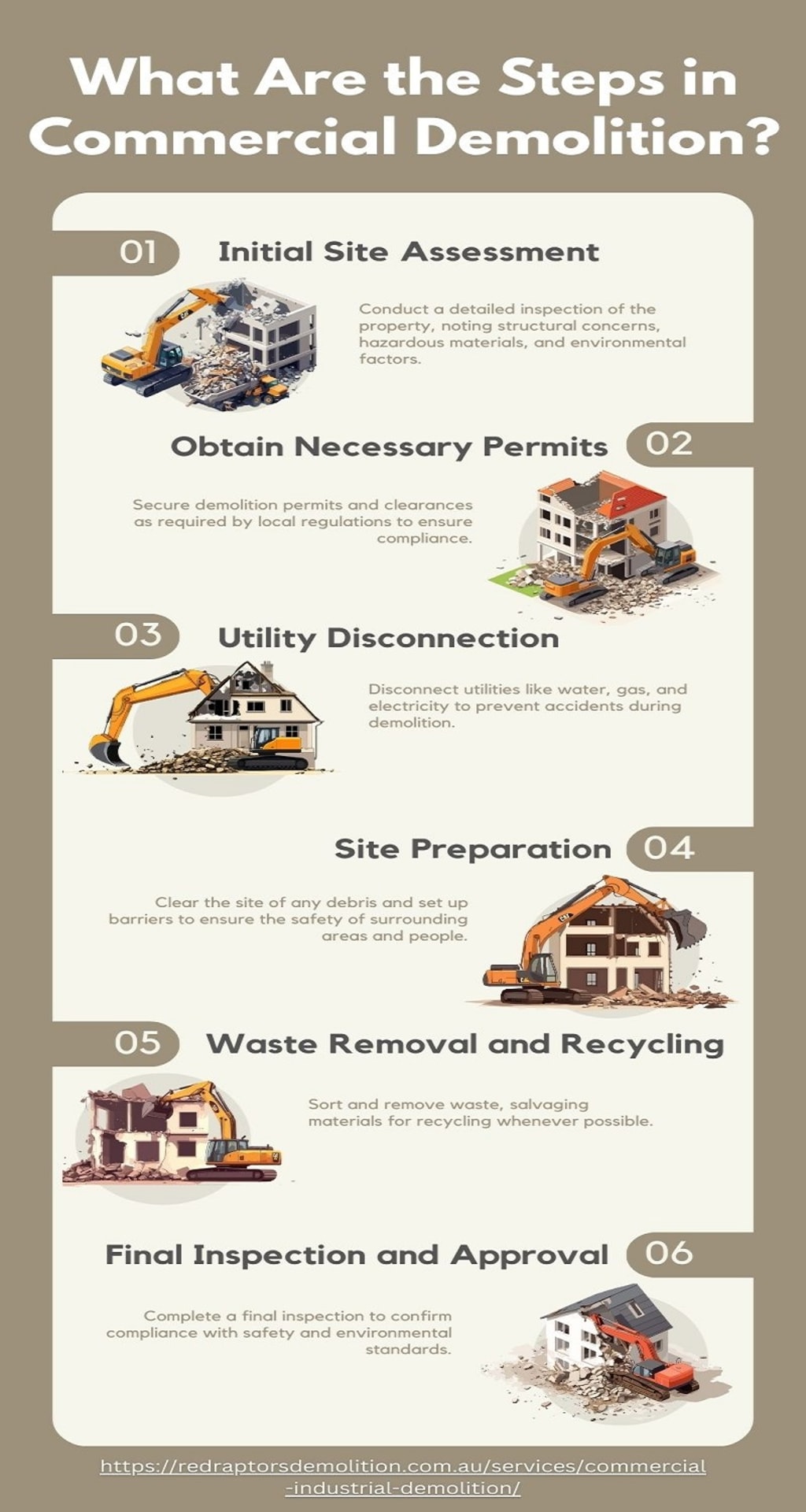
Demolition and excavation are two fundamental processes in the world of construction, often mentioned together but serving very different purposes. While both involve altering a site to prepare for new construction or development, they each focus on distinct objectives and require unique techniques. Demolition is primarily the process of safely tearing down structures, whether it’s a small building, large skyscraper, or a portion of a bridge, using methods that ensure safety and control. Excavation, on the other hand, involves carefully removing earth, rock, and other materials to shape the ground, create foundations, or lay utilities.
In this article, we’ll explore the core differences between demolition and excavation, highlighting when each is used, the techniques involved, and the impact each has on construction projects. Understanding these differences is essential for anyone planning a construction project, as it helps ensure that the right professionals, equipment, and methods are chosen for successful project completion.
Demolition: Purpose, Methods, and Applications
Demolition is the process of dismantling or destroying structures in a controlled manner, often to clear land for new construction. Its purpose is to safely and efficiently remove buildings or parts of structures, whether due to age, safety concerns, or the need for redevelopment. Demolition can range from small-scale projects, like tearing down a single-family home, to large-scale urban demolition involving multi-story buildings or commercial complexes.
Key Methods of Demolition
Demolition methods vary based on the type and size of the structure. Some common approaches include:
Implosion: Using controlled explosives to collapse a structure inward, commonly used for large buildings.
Mechanical Demolition: Employing heavy machinery like wrecking balls, excavators, or bulldozers to tear down structures piece by piece.
Deconstruction: Carefully dismantling a building to salvage reusable materials, which is an eco-friendly approach gaining popularity.
Each of these methods requires careful planning, adherence to safety regulations, and coordination with skilled professionals. The chosen method impacts project costs, environmental impact, and the time needed to complete the work.
Demolition serves as a foundation for construction by clearing the land, creating space for new structures, or even allowing land remediation when hazardous materials are present. Understanding demolition’s purpose and methodologies is essential in distinguishing it from excavation, which serves a complementary but different role in construction.
Excavation: Purpose, Techniques, and Importance in Construction
Excavation involves the removal of soil, rock, or other materials from a site to create a stable foundation for construction. Unlike demolition, which focuses on clearing existing structures, excavation is all about preparing the ground, shaping it to support new developments. This process is essential for laying foundations, installing utilities, or creating specific landforms required by the project design.
Key Techniques in Excavation
The techniques used in excavation are chosen based on the site's soil composition, project scale, and structural needs. Some widely used excavation techniques include:
Trenching: Creating narrow, deep channels often used for utility installations, like water or gas lines.
Cut and Fill: Removing soil from higher areas and filling lower areas to create a level foundation.
Dredging: Excavating underwater to remove silt, debris, or soil, commonly used in coastal or riverside construction.
Basement Excavation: Digging downwards to create space for basements or underground facilities in urban buildings.
These excavation techniques require specialized machinery, such as backhoes, trenchers, and bulldozers, and must follow strict safety protocols. Proper excavation ensures that the ground can safely bear the load of the structure, provides necessary drainage, and accommodates essential utilities, all of which are critical to the longevity and stability of any construction project.
Excavation serves as the groundwork for construction, setting the stage for secure and durable structures. By understanding the different excavation methods and their specific applications, construction teams can create a solid foundation that will support all phases of building.
Key Differences Between Demolition and Excavation:
A Comparative Look While demolition and excavation are both crucial in preparing a construction site, they serve distinct purposes and involve different methods, equipment, and expertise. Understanding these differences helps project managers, architects, and contractors make informed decisions for efficient, safe project planning.
Purpose: Demolition is focused on removing existing structures to clear a site.
Excavation prepares the ground by removing or rearranging soil and rock to establish a stable foundation.
Methods and Techniques:
Demolition involves techniques like implosion, deconstruction, and mechanical demolition.
Excavation utilizes trenching, cut and fill, dredging, and basement excavation to create a supportive base for construction.
Equipment:
Demolition often uses wrecking balls, bulldozers, and excavators for tearing down structures.
Excavation relies on backhoes, trenchers, and graders to shape the land and prepare foundations.
Environmental Impact:
Demolition can generate significant waste, though deconstruction methods are increasingly used to recycle materials.
Excavation has its own environmental impact, including altering soil structure and affecting drainage, but sustainable excavation practices are becoming more common.
Timing in Project Phases:
Demolition is typically one of the initial steps in clearing the site.
Excavation follows demolition and focuses on creating a supportive base for the upcoming construction phases.
Demolition and excavation are both essential processes in construction, each with its own purpose, techniques, and benefits. While demolition clears away the old to make room for the new, excavation provides the groundwork needed for secure, long-lasting structures. By leveraging the unique methods and tools of both processes, construction teams can ensure that sites are safely prepared, allowing projects to proceed efficiently and sustainably. Understanding the distinct roles and techniques of demolition and excavation helps ensure successful, well-prepared projects from the ground up.
FAQs
What is the main difference between demolition and excavation in construction?
Demolition involves removing existing structures to clear a site, while excavation prepares the ground by removing or moving soil and rocks to establish a stable foundation for new construction.
Which comes first, demolition or excavation?
Demolition typically comes first to clear any existing structures on the site. Once the area is clear, excavation begins to prepare the ground for the foundation and other construction needs.
What equipment is commonly used for demolition vs. excavation?
Demolition often requires equipment like wrecking balls, bulldozers, and excavators. Excavation uses machinery such as backhoes, trenchers, and graders to shape the land.
Are demolition and excavation environmentally friendly?
Both processes can have environmental impacts, but sustainable practices, like material recycling in demolition and careful site grading in excavation, help reduce their footprint.
Can the same company handle both demolition and excavation?
Yes, many construction companies offer both services. However, some specialize in one due to the distinct skills, equipment, and techniques required for each process.
About the Creator
Enjoyed the story? Support the Creator.
Subscribe for free to receive all their stories in your feed.
Comments
There are no comments for this story
Be the first to respond and start the conversation.