
What Are the Hidden Risks of Ignoring Rotten Teeth?
Rotten Teeth

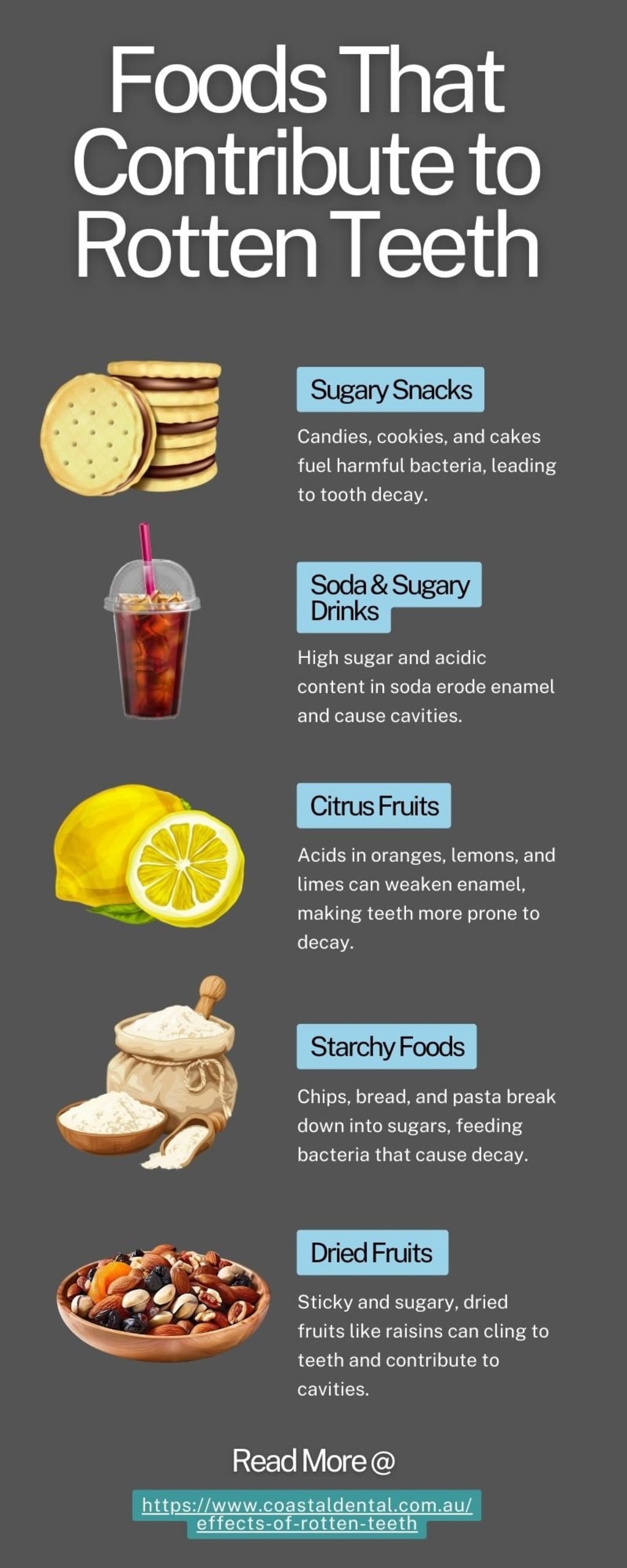
Ignoring rotten teeth may seem like a minor issue, but the reality is far more serious. The visible signs of tooth decay, such as discoloration and cavities, often mask a range of hidden risks that can significantly impact your overall health. While you might focus on the immediate discomfort or cosmetic concerns, the effects of neglecting rotten teeth extend well beyond your mouth. From increasing the risk of chronic health conditions to affecting your quality of life, the hidden dangers of untreated tooth decay can have profound consequences. In this article, we'll delve into these concealed risks, highlighting why timely dental care is crucial for maintaining not just your oral health but your overall well-being.
1. Increased Risk of Systemic Infections
Rotten teeth create an environment ripe for bacterial growth, which can spread beyond your mouth. The bacteria from severe tooth decay can enter the bloodstream through the gums, potentially leading to systemic infections. Conditions such as endocarditis, an infection of the heart lining, and sepsis, a life-threatening response to infection, can arise from untreated dental issues. Ignoring rotten teeth therefore not only threatens oral health but also increases the risk of serious, widespread infections that can affect various organ systems.
2. Link to Heart Disease
The connection between oral health and cardiovascular health is well-documented. Bacteria from rotten teeth can travel to the heart, contributing to inflammation and the development of heart disease. Studies have shown that poor oral hygiene and untreated dental decay are associated with a higher risk of conditions such as atherosclerosis (hardening of the arteries) and coronary artery disease. By neglecting rotten teeth, you may inadvertently increase your risk of heart-related issues.
3. Impact on Digestive Health
Chewing and digestion start in the mouth, and rotten teeth can interfere with this crucial process. Inadequate chewing due to decayed teeth can lead to digestive problems, as larger food particles may enter the digestive tract. This can cause discomfort and complications in the stomach and intestines. Furthermore, bacteria from infected teeth can contribute to gastrointestinal issues, potentially leading to conditions such as gastritis or ulcers.
4. Compromised Immune System
Your body’s immune system works hard to fight off infections and maintain overall health. Persistent oral infections from rotten teeth can place additional stress on the immune system, making it less effective at combating other health issues. Chronic inflammation and ongoing bacterial exposure can weaken your body’s defenses, leaving you more susceptible to illnesses and slowing down recovery from other health conditions.
5. Mental and Emotional Health Effects
The impact of rotten teeth goes beyond physical health; it can also affect your mental and emotional well-being. Persistent dental pain, bad breath, and visible decay can lead to social embarrassment, low self-esteem, and anxiety. These emotional burdens can negatively impact your quality of life and lead to mental health issues such as depression. Addressing rotten teeth is essential not only for physical health but also for maintaining a positive self-image and emotional stability.
6. Worsened Oral Health Conditions
Ignoring rotten teeth can lead to more severe dental issues over time. What begins as a small cavity can progress to more complex problems such as abscesses, severe gum disease, and tooth loss. As decay advances, it can cause significant damage to the surrounding teeth and tissues, making treatment more complicated and costly. Timely intervention can prevent these escalating issues and help preserve overall oral health.
7. Impaired Speech and Functionality
Severe tooth decay can affect your ability to speak clearly and eat comfortably. Rotten teeth may cause discomfort, difficulty in articulation, and alterations in speech patterns. Additionally, missing or decayed teeth can impact your chewing ability, making it challenging to eat a balanced diet. This can lead to nutritional deficiencies and further health complications.
8. Increased Risk of Bone Loss
Chronic dental infections and untreated decay can lead to bone loss in the jaw. The infection can erode the bone structure that supports your teeth, leading to conditions such as periodontitis, which can ultimately cause tooth mobility or loss. Bone loss in the jaw can also affect the alignment of remaining teeth, requiring more extensive dental treatments.
9. Potential Development of Abscesses
A dental abscess is a painful, pus-filled infection that can develop in the tissues surrounding a decayed tooth. If ignored, these abscesses can spread to other areas of the mouth or body, leading to severe pain, swelling, and systemic infection. Treatment of abscesses often requires surgical intervention, antibiotics, and significant dental work to address the underlying cause.
10. Long-Term Financial Implications
Neglecting rotten teeth can lead to more extensive and expensive treatments down the line. What might start as a simple cavity can evolve into severe decay requiring root canals, crowns, or even tooth extractions. The cost of dealing with advanced dental issues can be significantly higher than the cost of preventive care and early treatment. Investing in dental health now can save you from greater financial burdens in the future.
FAQs
What are the potential health risks associated with untreated rotten teeth?
Untreated rotten teeth can lead to serious health risks including systemic infections, heart disease, digestive problems, and weakened immune function. The bacteria from decayed teeth can spread to other parts of the body, causing various complications.
How can rotten teeth affect my overall cardiovascular health?
Bacteria from rotten teeth can enter the bloodstream and contribute to inflammation, increasing the risk of heart disease and conditions like atherosclerosis and coronary artery disease.
What impact can ignoring rotten teeth have on my digestive system?
Rotten teeth can impair chewing, leading to digestive issues as larger food particles may enter the digestive tract. Additionally, bacteria from decayed teeth can contribute to gastrointestinal problems such as gastritis.
How does neglecting rotten teeth influence mental and emotional well-being?
Persistent dental issues like rotten teeth can lead to social embarrassment, low self-esteem, and anxiety, potentially affecting mental health and overall quality of life.
What are the long-term financial implications of ignoring rotten teeth?
Ignoring rotten teeth can result in more severe dental issues that require costly treatments like root canals or extractions. Addressing dental problems early can help avoid higher costs associated with advanced procedures and complications.
About the Creator
Enjoyed the story? Support the Creator.
Subscribe for free to receive all their stories in your feed.
Comments
There are no comments for this story
Be the first to respond and start the conversation.