
What Are the Ethical Guidelines for Expert Witnesses?
Expert Witnesses
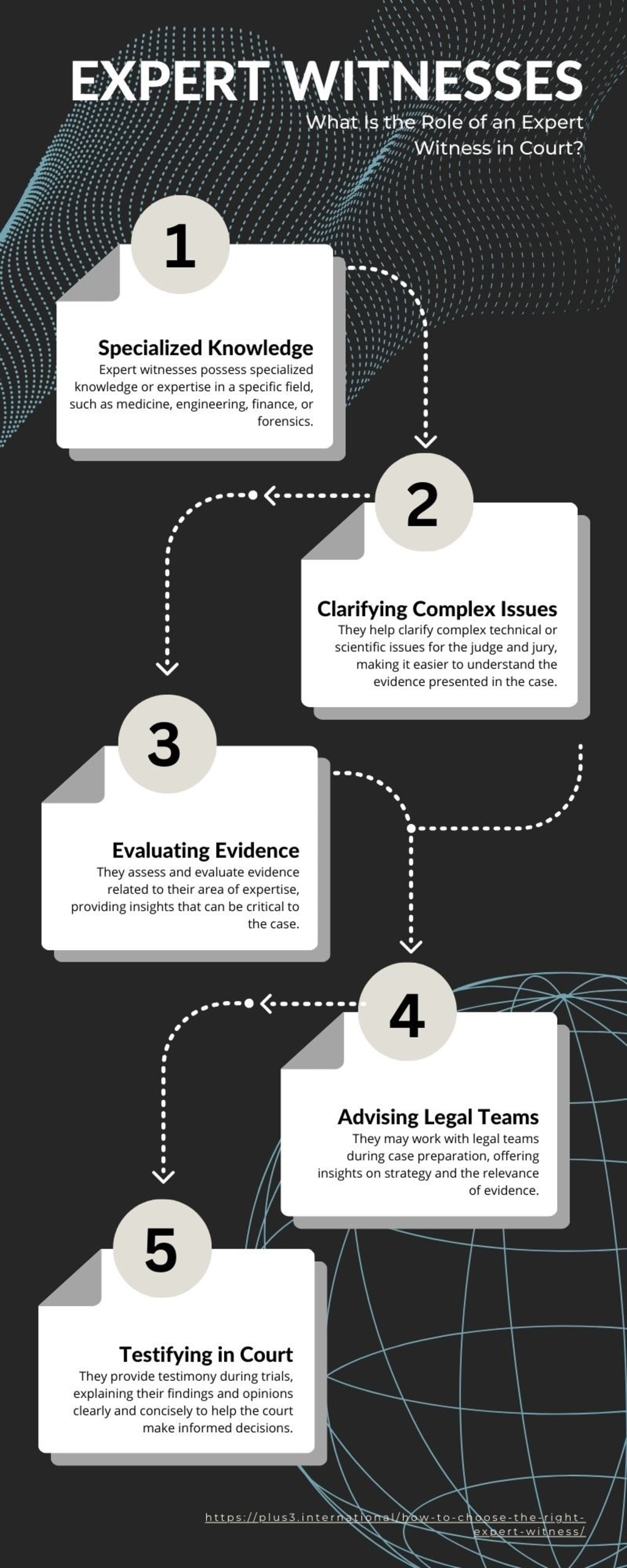
Expert witnesses play a crucial role in legal proceedings, offering specialized knowledge and insights to help clarify complex issues for judges and juries. However, with this responsibility comes the need for strict ethical conduct. The credibility of an expert witness is not only built on their qualifications but also on their ability to remain impartial and uphold ethical standards throughout their involvement in a case. Ethical guidelines are established to ensure that expert witnesses provide objective, honest, and unbiased testimony, free from any personal or financial conflicts of interest. This section will explore the key ethical principles expert witnesses must adhere to and the impact these guidelines have on maintaining fairness and integrity within the legal system.
Key Ethical Guidelines for Expert Witnesses
Impartiality and Objectivity
One of the most important ethical responsibilities of an expert witness is to remain impartial. Unlike other witnesses, an expert is not called to advocate for either party but to provide an objective opinion based solely on their expertise and the evidence at hand. They must approach each case without bias, ensuring their analysis and testimony are truthful and free from personal or professional influence. Any hint of favoritism toward one side can severely undermine the credibility of the expert witness and the integrity of the case.
Duty to the Court Over Personal Interests
An expert witness’s primary duty is to the court, not the party that has hired them. This means they must present accurate, reliable information, even if their findings are unfavorable to the hiring party. Ethical guidelines prohibit experts from tailoring their testimony to meet the expectations of the client. They are expected to disclose any information that may affect the case, whether or not it supports the position of the party they are working for.
Honesty and Full Disclosure
Honesty is a fundamental ethical obligation for expert witnesses. They must provide truthful, thorough, and accurate information in their reports and testimony. This includes disclosing any limitations in their expertise or in the evidence they have reviewed. If an expert witness lacks sufficient knowledge on a particular subject, they must be transparent about their limitations. Failing to do so can mislead the court and potentially lead to a miscarriage of justice.
Avoiding Conflicts of Interest
Experts are required to avoid any conflicts of interest that might compromise their impartiality. A conflict of interest can arise if the expert has a personal, financial, or professional relationship with one of the parties involved in the case. It is essential for an expert witness to disclose any potential conflicts to the court and the legal teams involved. If such a conflict is discovered after testimony is given, it can discredit the witness and affect the outcome of the case.
Maintaining Professional Competence
An expert witness must stay within the boundaries of their professional expertise. Offering opinions outside their field can be misleading and unethical. Experts are also required to keep their knowledge up-to-date, ensuring that their testimony is based on the most current standards, practices, and research in their area of specialization. Presenting outdated or inaccurate information can damage the case and harm the expert's reputation.
By following these ethical guidelines, expert witnesses help uphold the integrity of the judicial process, ensuring that their testimony serves the court and promotes a fair and just outcome.
FAQs
- What is the most important ethical responsibility of an expert witness?
The most important ethical responsibility is to remain impartial and objective. Expert witnesses must provide unbiased opinions based on facts and evidence, regardless of which party has hired them.
- Can an expert witness refuse to testify if they believe their findings don’t support the hiring party’s case?
No, an expert witness’s duty is to the court, not to the hiring party. They are ethically obligated to present their findings truthfully, even if it doesn’t favor the party that retained them.
- What should an expert witness do if they discover a conflict of interest?
An expert witness must disclose any potential conflicts of interest as soon as they become aware of them. This ensures transparency and avoids any perception of bias that could compromise their credibility.
- Is it ethical for an expert witness to offer opinions outside their field of expertise?
No, expert witnesses must limit their opinions to areas within their professional expertise. Offering opinions outside their competence is considered unethical and can mislead the court.
- How can expert witnesses ensure their testimony remains current and credible?
Expert witnesses should stay informed about the latest developments, research, and standards in their field. Maintaining professional co
About the Creator
Enjoyed the story? Support the Creator.
Subscribe for free to receive all their stories in your feed.
Comments
There are no comments for this story
Be the first to respond and start the conversation.