
What Are the Effects of Dehydration on Dental Health?
Dehydration

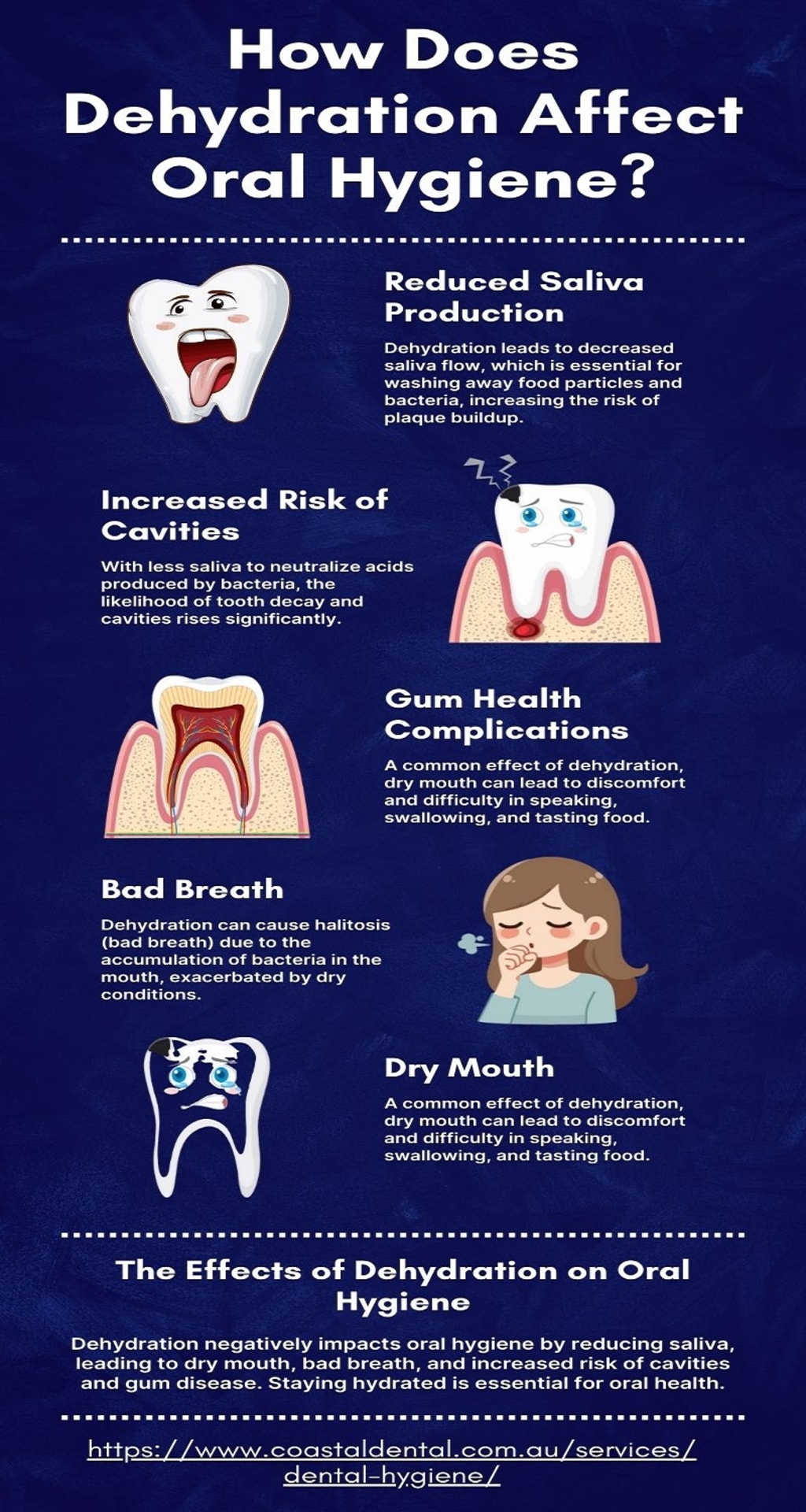
When it comes to maintaining good oral health, many people often overlook one of the simplest yet most essential elements: water. Dentists emphasize the importance of hydration not only for overall well-being but specifically for the health of our teeth and gums. Water plays a crucial role in various aspects of oral care, from washing away food particles and bacteria to promoting saliva production, which helps neutralize acids in the mouth.
As we explore what dentists say about the significance of water for dental health, we will delve into the numerous benefits it offers, the consequences of dehydration, and practical tips on how to ensure adequate hydration for a healthier smile. Understanding the connection between water intake and oral hygiene can empower individuals to make informed choices that enhance their dental health and prevent common issues like cavities and gum disease. Let’s take a closer look at why drinking enough water is a vital part of your oral care routine.
What Are the Effects of Dehydration on Dental Health?
Dehydration can have a significant impact on your dental health, leading to a variety of complications that can affect both the teeth and gums. Here are some key effects of dehydration that are crucial to understand:
Reduced Saliva Production
Saliva is essential for maintaining oral health as it helps wash away food particles and neutralizes acids produced by bacteria in the mouth. When you are dehydrated, saliva production decreases, leading to dry mouth (xerostomia). This condition not only makes it uncomfortable to speak and swallow but also increases the risk of cavities, as harmful bacteria can thrive in a dry environment.
Increased Risk of Cavities
A lack of saliva can lead to a higher concentration of harmful bacteria and acids in the mouth. Without the natural protective barrier that saliva provides, tooth enamel becomes more susceptible to decay. As a result, individuals who are frequently dehydrated may find themselves facing an increased risk of cavities and tooth sensitivity.
Gum Disease Development
Dehydration can also contribute to gum disease, a serious condition that can lead to inflammation and infection of the gums. Saliva plays a vital role in preventing gum disease by controlling bacterial growth. When hydration levels are low, the body’s ability to combat these bacteria diminishes, making it easier for gum disease to take hold.
Bad Breath
Dry mouth is a common side effect of dehydration and is often accompanied by halitosis, or bad breath. The absence of saliva means that food particles are not being washed away, leading to a buildup of bacteria that produce foul-smelling compounds. This can result in persistent bad breath, which can be socially embarrassing and may require additional oral care efforts.
Impaired Healing
Dehydration can hinder the body’s ability to heal, which is particularly concerning for individuals recovering from dental procedures or those with existing oral conditions. Adequate hydration supports blood circulation and nutrient delivery, both of which are crucial for healing tissues in the mouth.
How Does Staying Hydrated Benefit Your Teeth and Gums?
Staying properly hydrated is essential for maintaining not only your overall health but also the health of your teeth and gums. Here are some of the key benefits of adequate hydration:
Promotes Saliva Production
One of the primary functions of drinking enough water is to promote saliva production. Saliva is your mouth's natural defense mechanism, playing a crucial role in digestion, neutralizing acids, and washing away food particles and harmful bacteria. By ensuring proper hydration, you support your body's ability to produce saliva, helping to maintain a balanced oral environment and reducing the risk of dental issues.
Flushes Away Bacteria and Food Particles
Drinking water throughout the day helps rinse your mouth and remove food particles and debris. This flushing action is especially important after meals and snacks, as it can help prevent the buildup of plaque and the formation of cavities. The more water you consume, the better equipped your mouth will be to stay clean and healthy.
Strengthens Tooth Enamel
Water, especially fluoridated water, can strengthen tooth enamel. Fluoride is known for its ability to remineralize and protect tooth enamel from decay. Drinking water that contains fluoride helps reinforce your teeth and provides an extra layer of protection against cavities.
Reduces the Risk of Gum Disease
Staying hydrated helps maintain healthy gums by supporting blood circulation and nutrient delivery. Proper hydration enables your body to combat bacteria and inflammation more effectively, reducing the risk of gum disease. Healthy gums are essential for overall oral health and contribute to the stability of your teeth.
Improves Breath Freshness
Water is vital for maintaining fresh breath. By promoting saliva production and flushing away food particles, water helps reduce the bacteria that cause bad breath. Staying hydrated can help you avoid the embarrassment of dry mouth and the unpleasant odor that can accompany it.
Facilitates Nutrient Absorption
Proper hydration aids in the absorption of essential nutrients that contribute to dental health. Vitamins and minerals, such as calcium and vitamin D, are crucial for strong teeth and bones. By staying hydrated, you support your body’s ability to absorb these nutrients more effectively, promoting optimal oral health.
FAQs
How much water should I drink daily for optimal dental health
Dentists typically recommend drinking at least 8 cups (64 ounces) of water a day. However, individual needs may vary based on factors such as activity level, climate, and overall health. Listening to your body and ensuring you stay hydrated throughout the day is essential for maintaining oral health.
Can drinking water help with dry mouth?
Yes, drinking water is one of the best remedies for dry mouth (xerostomia). Hydration helps stimulate saliva production, alleviating dryness and discomfort. If dry mouth persists, it's essential to consult a dentist, as it may lead to other dental issues.
Is bottled water as effective for dental health as tap water?
While bottled water can be hydrating, it may not always contain fluoride, which is beneficial for dental health. Tap water in many areas is fluoridated, providing added protection against cavities. If you primarily drink bottled water, check the label for fluoride content or consider incorporating fluoridated tap water into your hydration routine.
How does drinking water after meals benefit my teeth?
Drinking water after meals helps rinse away food particles and reduces acidity in the mouth. This action can prevent plaque buildup and minimize the risk of cavities. It's especially important after consuming sugary or acidic foods that can harm tooth enamel.
What other beverages are good for dental health?
In addition to water, beverages that are low in sugar and acidity, such as herbal teas and milk, can be beneficial for dental health. However, it's best to limit consumption of sugary drinks, sodas, and acidic beverages li
About the Creator
Enjoyed the story? Support the Creator.
Subscribe for free to receive all their stories in your feed.
Comments
There are no comments for this story
Be the first to respond and start the conversation.