
What Are the Benefits of Choosing Resin Bonding Over Veneers?
Resin Bonding
As far as the aesthetics of the teeth are concerned, cosmetic dentistry provides many choices, and two of the most widely chosen are resin bonding and veneers. Although both procedures can completely alter the appearance of your teeth, it is for this reason that resin bonding is most often highlighted for its ease, cost efficiency, and flexibility. If you need to work on some small defects or just want to whiten your teeth without surgical intervention, then resin bonding is exactly what you need. In today’s blog post, I will tell you why resin bonding could be the best option for you instead of veneers.
COMPARING RESIN BONDING AND VENEERS: WHAT SETS THEM APART?
Before making a decision, let’s look more into detail about what resin bonding is and how it is different from veneers. Resin bonding is a process of placing a tooth-coloured resin directly on your teeth and shaping/polishing it to match your teeth. The procedure is non-surgical, taking very little time with minimal or no form of preparation of the tooth, and most of the natural tooth is kept intact.
The other type of cosmetic dentistry is veneers, which are thin porcelain or plastic ceramic shells that are created to fit over the front of your teeth. Although they offer a long-lasting and very aesthetic solution, they require more tooth structure reduction than do crowns. Lumineers have to be prepared by reducing the tooth enamel layer by a small amount. Veneers being indirect procedures make them more permanent as compared to resin bonding, which can always be moved or even done over again.
In case you are looking for a quick and affordable solution to small aesthetic problems, it is better to use resin bonding. But knowing all of the advantages that each plan can provide may assist you in recognising what is good for your teeth only.
ADVANTAGES OF RESIN BONDING OVER VENEERS
Resin bonding carries several benefits that make it pleasant for improving your smile. Here’s why many individuals prefer resin bonding over veneers:
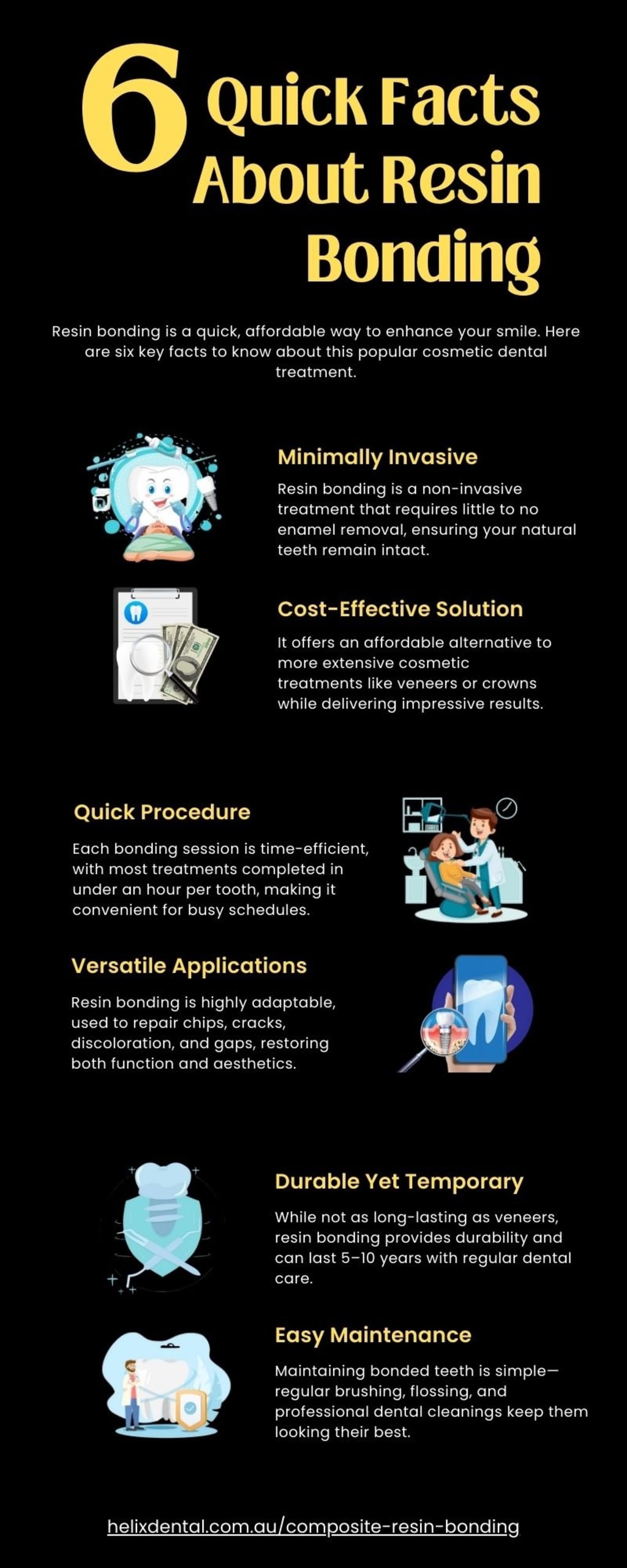
Cost-Effective Solution: Resin bonding is way cheaper than veneers, and this makes it easier for anyone who wants to undergo the process to be able to do it.
Minimally Invasive: The process practically involves the least amount of reduction of your natural tooth surface so your teeth are not significantly diminished.
Quick and Convenient: Resin bonding usually takes little time, and it can be done in one sitting, while veneers usually require more than one sitting.
Natural Appearance: The use of high-quality resin material can make it mirror the naturally produced teeth in the mouth, hence creating a better look and finish.
Reversible Option: Resin bonding is the process that is non-invasive and can be reversed, which means that if a person wishes to try other cosmetic dental procedures, he or she can easily do so.
Repair and Maintenance: It also turns out that the surface layer of the resin, if it gets damaged or worn out, can be repaired or retouched with no much effort.
These advantages make resin bonding important as a functional and effective way to attain the desired beautiful smile without having to pay for veneers with their long-term affixed expenses.
CHALLENGES FOUND IN RESIN BONDING AS COMPARED TO VENEERS
However, despite the numerous benefits associated with resin bonding, there are factors that need to be understood in comparing the technique with veneers. Here are key aspects to consider:
Durability: It means that resin bonding is not as durable as veneers, and it could become stained and deteriorate over time.
Lifespan: Most bonding materials have a life of about 3–10 years, while veneers can last between 10–20 years, depending on the manner in which they are used.
Aesthetic Precision: Resin bonding gives more natural looking, whereas veneers are more translucent and help to match the colour perfectly, which is necessary in cosmesis.
Extent of Coverage: Resin bonding should better be used for small defects. If the work requires more significant alterations, for example, for a heavily worn or badly misaligned tooth, then veneers are stronger.
Maintenance Requirements: This type of resin may chip or wear at a faster rate and will require occasional refinishing to restore its look and reliability.
Knowledge of these limitations when it comes to resin bonding or veneers may be of great help when making a choice between the two. To make a choice, the patient should talk to the dentist in order to learn which of these options is more suitable in terms of specific dental concerns and aesthetic preferences.
FAQs
What is resin bonding, and how does it differ from veneers?
Resin bonding uses tooth-colored composite resin to repair or enhance teeth, while veneers are thin porcelain shells that cover the entire tooth surface.
Is resin bonding a more affordable option than veneers?
Yes, resin bonding is generally more budget-friendly than veneers, making it a great choice for minor cosmetic fixes.
How long does resin bonding last compared to veneers?
Resin bonding typically lasts 3–10 years, whereas veneers have a longer lifespan of 10–20 years with proper care.
Can resin bonding achieve the same level of aesthetics as veneers?
While resin bonding provides a natural look, veneers are better for achieving a highly polished and flawless appearance due to their superior translucency.
Is resin bonding suitable for major dental corrections?
Resin bonding is ideal for minor repairs, such as fixing chips or small gaps. Veneers are better suited for extensive cosmetic enhancements.
About the Creator
Enjoyed the story? Support the Creator.
Subscribe for free to receive all their stories in your feed.
Comments
There are no comments for this story
Be the first to respond and start the conversation.