
What Are Electronic Component Upgrades and Why Do They Matter?
Understanding Electronic Component Upgrades in Modern Devices
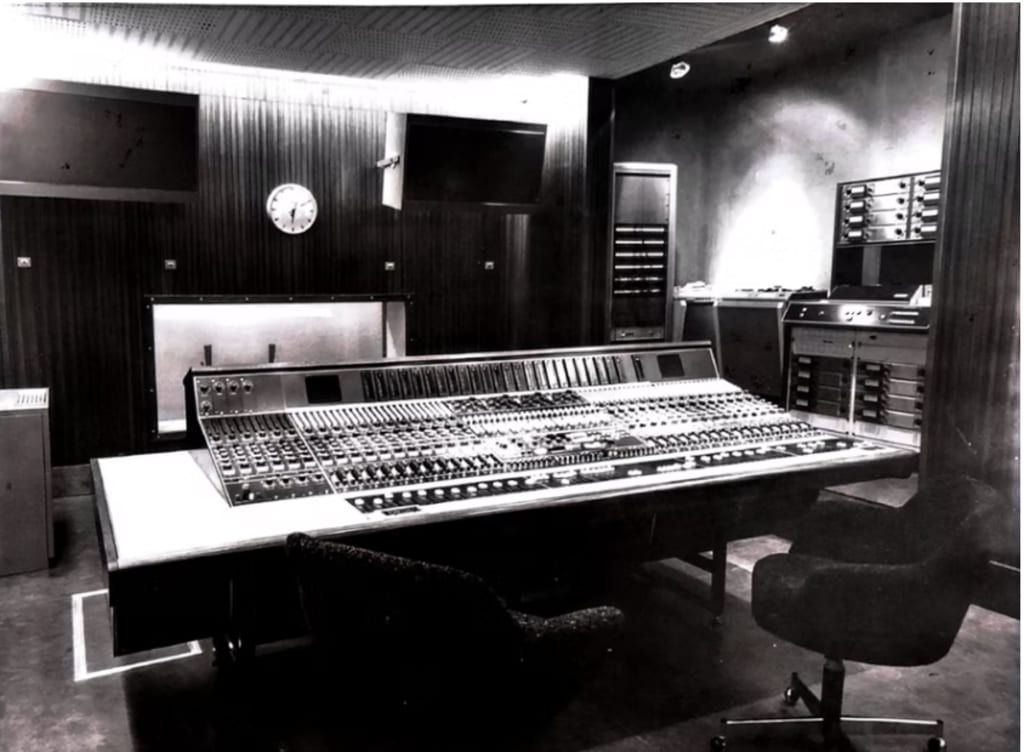
In today’s technology-driven world, electronic devices play a crucial role in both personal and professional environments. From audio systems and computers to industrial machinery, these devices rely on a wide range of internal components to function effectively. Over time, these components may become outdated or less efficient. This is where electronic component upgrades come into play.
Electronic component upgrades involve replacing or enhancing specific parts within a device to improve its performance, reliability, and lifespan. Rather than discarding an entire system, upgrading key components offers a cost-effective and sustainable solution.
What Are Electronic Component Upgrades?
Electronic component upgrades refer to the process of improving a device by replacing older or underperforming parts with newer, more advanced ones. These components can include capacitors, resistors, integrated circuits, connectors, and other internal elements that influence how the device operates.
The goal of upgrading is not just to fix a problem but to enhance overall functionality. In many cases, upgraded components can deliver better efficiency, improved performance, and greater stability compared to the original parts.
Why Do Electronic Component Upgrades Matter?
Upgrading electronic components is more than just a technical improvement—it has practical benefits that directly impact usability and long-term value. Here are some key reasons why these upgrades matter:
1. Improved Performance
As technology advances, newer components are designed to perform better than older ones. Upgrading can lead to faster processing, improved signal quality, and smoother operation. This is especially important in systems where precision and speed are critical.
2. Extended Device Lifespan
Instead of replacing an entire device, upgrading key components can extend its usable life. This is particularly valuable for expensive or specialized equipment, allowing users to continue using their devices without investing in new systems.
3. Enhanced Reliability
Older components can wear out or become unstable over time. Upgrading them reduces the risk of failure, ensuring consistent performance. Reliable equipment is essential in both professional and industrial settings.
4. Better Energy Efficiency
Modern components are often designed to consume less power while delivering better output. Upgrading can reduce energy consumption, which not only lowers operating costs but also contributes to environmental sustainability.
5. Cost-Effective Solution
Replacing a full system can be expensive. Component upgrades provide a more affordable alternative by targeting only the parts that need improvement. This makes it a practical option for individuals and businesses alike.
Common Types of Component Upgrades
Electronic upgrades can vary depending on the type of device, but some of the most common upgrades include:
- Capacitor Upgrades: Improve power stability and reduce noise
- Integrated Circuit Upgrades: Enhance processing capabilities
- Connector and Wiring Improvements: Ensure better signal flow
- Power Supply Enhancements: Provide stable and efficient energy distribution
Each upgrade plays a role in improving the overall functionality of the device.
When Should You Consider Upgrades?
Knowing when to upgrade components is important for maintaining optimal performance. Some common signs include:
- Decreased performance or slow operation
- Frequent malfunctions or system instability
- Increased noise or interference
- Overheating or power issues
- Difficulty keeping up with modern requirements
If you notice any of these issues, it may be time to consider upgrading specific components.
Professional vs DIY Upgrades
While some basic upgrades can be performed by experienced individuals, many require professional expertise. Electronic systems can be complex, and improper handling may lead to further damage.
Professional technicians have the knowledge and tools needed to safely and effectively upgrade components. They can also ensure compatibility and proper installation, which is essential for achieving the desired results.
The Bigger Picture: Sustainability and Innovation
Electronic component upgrades also contribute to sustainability. By extending the life of existing devices, they help reduce electronic waste and minimize the environmental impact of manufacturing new products.
At the same time, upgrades allow users to benefit from modern technological advancements without completely replacing their systems. This balance between innovation and conservation makes component upgrades an important practice in today’s world.
Final Thoughts
Electronic component upgrades are a smart and practical way to improve the performance, reliability, and lifespan of your devices. Whether you’re maintaining professional equipment or enhancing everyday electronics, upgrading key components can deliver significant benefits.
By choosing upgrades over replacement, you not only save money but also contribute to a more sustainable and efficient approach to technology use.
Frequently Asked Questions (FAQs)
1. Are electronic component upgrades better than buying a new device?
In many cases, yes. Upgrades are more cost-effective and can significantly improve performance without the need for a full replacement.
2. Can all electronic devices be upgraded?
Not all devices are designed for upgrades, but many systems—especially professional and industrial equipment—allow component-level improvements.
3. How do I know which components need upgrading?
A professional evaluation is the best way to identify which components are underperforming and need replacement or enhancement.
About the Creator
Enjoyed the story? Support the Creator.
Subscribe for free to receive all their stories in your feed.
Comments
There are no comments for this story
Be the first to respond and start the conversation.