
What Are Amplified Hearing Devices and How Do They Work
Learn about amplified hearing devices, their types, how they work, and why they’re essential. Discover hearing aid amplifiers and hearing aid amps for better hearing.
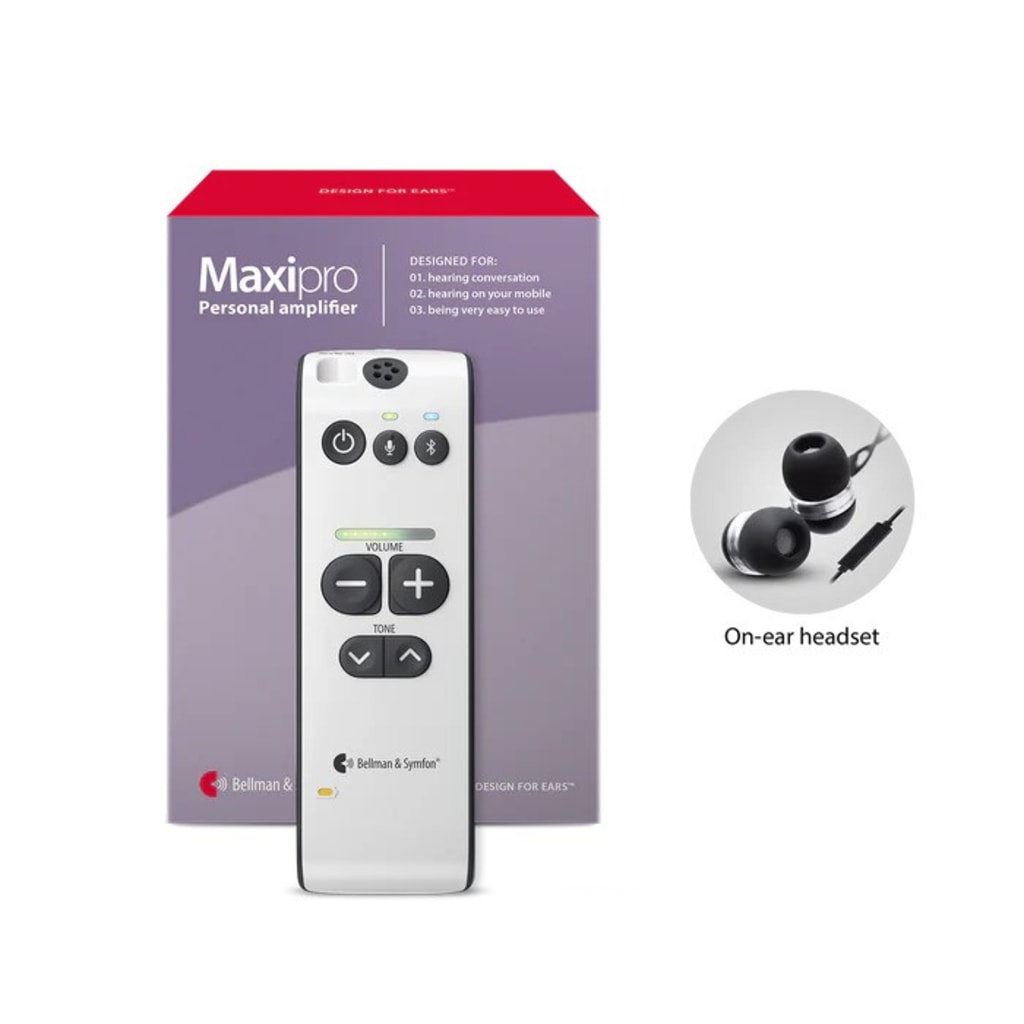
If you or someone you know is experiencing hearing loss, you've probably heard of amplified hearing devices. These handy devices are designed to help people with mild to severe hearing loss hear better in various environments. But how do they work? And what's the difference between a regular hearing aid and an amplified hearing device? This guide will walk you through everything you need to know about these essential hearing aids, from how they function to the different types available.
What are Amplified Hearing Devices?
An amplified hearing device is a technology designed to amplify sounds, making them louder and more transparent for individuals with hearing loss. These devices help people detect speech, sounds in their environment, and even conversations more easily. Unlike basic hearing aids that amplify all sounds at the same level, many amplified hearing devices focus on enhancing specific frequencies, especially those associated with speech while minimizing background noise.
The idea behind these devices is simple: to give people a more transparent, crisp hearing experience, whether they're in a quiet room or a noisy public setting. Amplified hearing devices can be beneficial in situations like conversations in a crowded restaurant or listening to the television.
How Does an Amplified Hearing Device Work?
The way these devices work can seem complex, but it's pretty simple once you break it down. An amplified hearing device consists of several main components that work together to enhance sound.
Microphone
The microphone picks up sound from your environment. In some devices, multiple microphones capture sound from different directions, helping to improve the clarity of the sound, especially in noisy environments.
Amplifier
The hearing aid amplifier is the heart of the device. It takes the sound captured by the microphone and makes it louder. Modern amplifiers can be fine-tuned to amplify specific sound frequencies that a person has trouble hearing. For example, if you have difficulty hearing high-pitched voices, the amplifier can focus on amplifying that particular range.
Speaker (Receiver)
After the sound is amplified, it's sent to a small speaker inside the device, which then directs the sound into your ear canal. The amplified sound reaches the ear, allowing you to hear it more clearly.
Battery
Most amplified hearing devices run on small batteries that power the amplifier and other electronic components. Some newer models are rechargeable, which can be a convenient feature for users.
Types of Amplified Hearing Devices
There are several types of amplified hearing devices, each designed to cater to different hearing needs and preferences. Here's an overview of the main categories:
Personal Sound Amplification Products (PSAPs)
PSAPs are over-the-counter hearing devices that amplify sound for people with mild to moderate hearing loss. They are not classified as medical devices and do not require a prescription. PSAPs are often used for specific activities like hunting, birdwatching, or attending lectures, where sound amplification can be beneficial even for people with normal hearing. These are generally less expensive than hearing aids, but they lack the fine-tuning and customization that hearing aids offer.
Hearing Aid Amplifiers
Hearing aid amplifiers are built into medical-grade hearing aids. These hearing amplifiers boost specific sound frequencies to help users with moderate to severe hearing loss. Modern hearing aids equipped with these amplifiers can be customized based on an individual's hearing test results (audiogram). They come in various styles, including behind-the-ear (BTE), in-the-ear (ITE), and in-the-canal (ITC) models, each designed for comfort and discretion.
Behind-the-ear (BTE) Hearing Aids
As the name suggests, BTE hearing aids sit behind the ear. They are connected to an earmold that fits inside your ear canal, delivering amplified sound directly into your ear. These are often the most powerful hearing aids, making them suitable for individuals with severe hearing loss. They're also durable and long-lasting, as the electronic components are housed outside the ear.
In-the-Ear (ITE) and In-the-Canal (ITC) Hearing Aids
These hearing aids are custom-molded to fit inside your ear canal. They're more discreet than BTE models but may not be suitable for people with severe hearing loss. The advantage of ITE and ITC hearing aids is that they are smaller, more comfortable for some users, and less visible. However, because of their small size, they have shorter battery life and are not as powerful as BTE aids.
Who Should Use Amplified Hearing Devices?
If you're experiencing difficulty hearing conversations, especially in noisy environments, or if you find yourself constantly turning up the volume on the TV or phone, amplified hearing devices might be the solution. These devices are ideal for:
People with mild to moderate hearing loss.
Individuals who want more sound amplification in specific settings, like watching TV or making phone calls.
Those who are not ready to invest in a prescription hearing aid but still want to improve their hearing experience.
However, it's always best to consult a healthcare provider or audiologist before choosing an amplified hearing device to ensure you're using the right technology for your needs.
Final Thoughts: Choosing the Right Amplified Hearing Device
Amplified hearing devices provide a flexible and effective solution for improving hearing. Whether you opt for a hearing aid amplifier or a more basic hearing aid amp, these devices can significantly enhance your ability to hear and engage with the world around you.
About the Creator
Enjoyed the story? Support the Creator.
Subscribe for free to receive all their stories in your feed.
Comments
There are no comments for this story
Be the first to respond and start the conversation.