
Welding Electrodes Market Signals a New Phase for Industrial Manufacturing
Global Welding Electrodes Industry Gains Momentum as Infrastructure and Fabrication Activity Expands
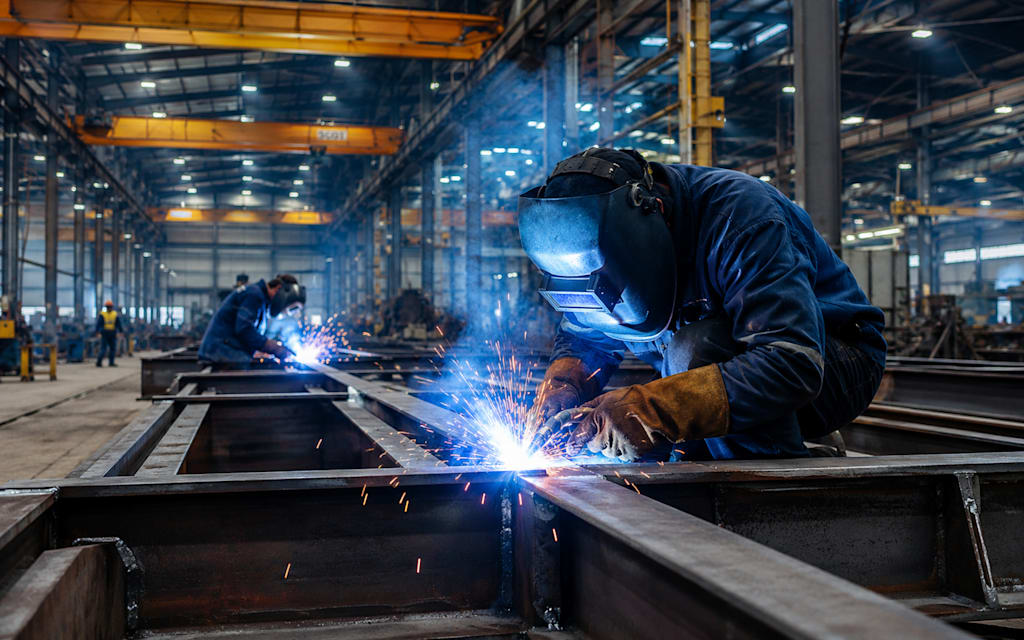
The sharp blue flash cut through the dim factory floor as molten metal fused two massive steel sections together. Around the world, scenes like this play out every day—inside shipyards, construction projects, automotive plants, energy facilities, and manufacturing hubs. Behind every strong weld lies a small but essential component that rarely receives public attention: the welding electrode.
As nations invest in infrastructure modernization and industries push for higher production capacity, welding remains one of the most indispensable processes in modern manufacturing. The humble electrode, often overlooked outside technical circles, is becoming increasingly important as industrial activity accelerates across multiple sectors.
After serving as a fundamental element in fabrication for decades, welding electrodes are now attracting renewed attention from manufacturers, engineers, and market observers alike. Their role extends far beyond joining metal pieces together—they support the foundations of economic development itself.
Industrial Expansion Creates New Opportunities
From towering bridges to offshore platforms and advanced manufacturing facilities, welding applications continue to multiply. The growing demand for durable metal structures has increased the need for reliable welding consumables that can deliver consistent performance under challenging conditions.
The global market reflects this broader industrial movement. According to Mordor Intelligence, the Welding Electrodes Market Size is projected to be valued at USD 5.67 billion in 2025, rise to USD 5.99 billion in 2026, and reach USD 7.98 billion by 2031, expanding at a CAGR of 5.89% during the forecast period.
This trajectory highlights the increasing relevance of welding technologies within construction, transportation, energy generation, heavy equipment manufacturing, and infrastructure development. As industries seek greater efficiency and stronger structural integrity, demand for high-quality consumables continues to grow.
The evolving welding electrodes market size reflects more than simple product demand. It serves as a broader indicator of industrial confidence, investment activity, and the pace of global development projects.
Manufacturing Transformation Strengthens Demand
Modern manufacturers face mounting pressure to improve productivity while maintaining strict quality standards. This challenge has encouraged greater focus on welding reliability and process consistency throughout production environments.
Automotive assembly lines, railway projects, industrial equipment producers, and fabrication workshops increasingly depend on advanced welding solutions capable of supporting large-scale operations. Every production delay caused by poor weld quality can create costly downstream consequences.
As industrial facilities modernize, the competitive landscape continues to evolve. Companies are seeking solutions that balance performance, efficiency, and operational reliability. These priorities contribute to shifts in procurement strategies across numerous end-user sectors.
The resulting changes influence overall welding electrodes market share, as manufacturers and industrial buyers evaluate products based on performance requirements, application suitability, and long-term operational value.
Beyond economics, welding remains deeply connected to skilled labor. Experienced welders understand that electrode selection can significantly influence weld quality, productivity, and project outcomes. This practical reality keeps demand closely tied to workforce expertise and industrial best practices.
Quick Insights:
- Infrastructure development remains a major demand driver.
- Manufacturing expansion supports long-term consumption.
- Transportation projects require extensive welding applications.
- Industrial modernization encourages adoption of advanced consumables.
- Skilled workforce demand continues alongside technological progress.
Infrastructure Projects Shape the Future Outlook
Across emerging and developed economies alike, governments and private organizations are investing heavily in infrastructure renewal. Bridges, transit systems, ports, energy facilities, and industrial complexes all depend on extensive metal fabrication work.
Every major project requires countless welded joints capable of withstanding years of operational stress. Reliability is not optional; it is a fundamental requirement for safety and longevity. This reality reinforces the importance of welding consumables throughout the project lifecycle.
Market observers increasingly view ongoing infrastructure investment as a key catalyst for future welding electrodes market growth. As construction pipelines expand, demand naturally follows across associated supply chains.
At the same time, energy transition initiatives, transportation upgrades, and industrial expansion programs continue creating additional opportunities. Whether supporting traditional industries or emerging sectors, welding remains embedded in the physical development of modern economies.
A Quiet Industry with a Powerful Impact
Unlike consumer technologies that dominate headlines, welding electrodes rarely capture mainstream attention. Yet their influence can be found almost everywhere—from skyscrapers and highways to ships, factories, and energy installations.
The resilience of the welding electrodes industry stems from its direct connection to essential economic activities. Whenever societies build, expand, repair, or modernize, welding remains a critical part of the process.
As global industrial priorities continue shifting toward modernization, resilience, and infrastructure development, welding electrodes are positioned to remain a foundational component of progress. Their story is not one of rapid disruption but of steady relevance—a reminder that some of the most important technologies are often the least visible.
Explore this content in Japanese
The next time you pass a bridge, see a new building rise, or watch a train cross the landscape, consider the countless welds holding those structures together. Behind every connection is a small component playing a surprisingly large role in shaping the modern world.
What industrial development trend do you believe will have the biggest influence on the future of welding and metal fabrication over the next decade?
About the Creator
Enjoyed the story? Support the Creator.
Subscribe for free to receive all their stories in your feed.
Comments
There are no comments for this story
Be the first to respond and start the conversation.