
Waterproofing Membrane and Protective Material
Waterproofing Membrane

Waterproofing is a crucial aspect of construction that ensures buildings and structures remain protected from moisture, water leakage, and damage over time. Whether it’s for your home, office, or any other building, waterproofing ensures that the structure remains intact and safe. Among the various waterproofing techniques available, waterproofing membranes stand out as one of the most reliable solutions. But what exactly are waterproofing membranes? What materials are used, and how do they work? Let’s break it down in simple terms.
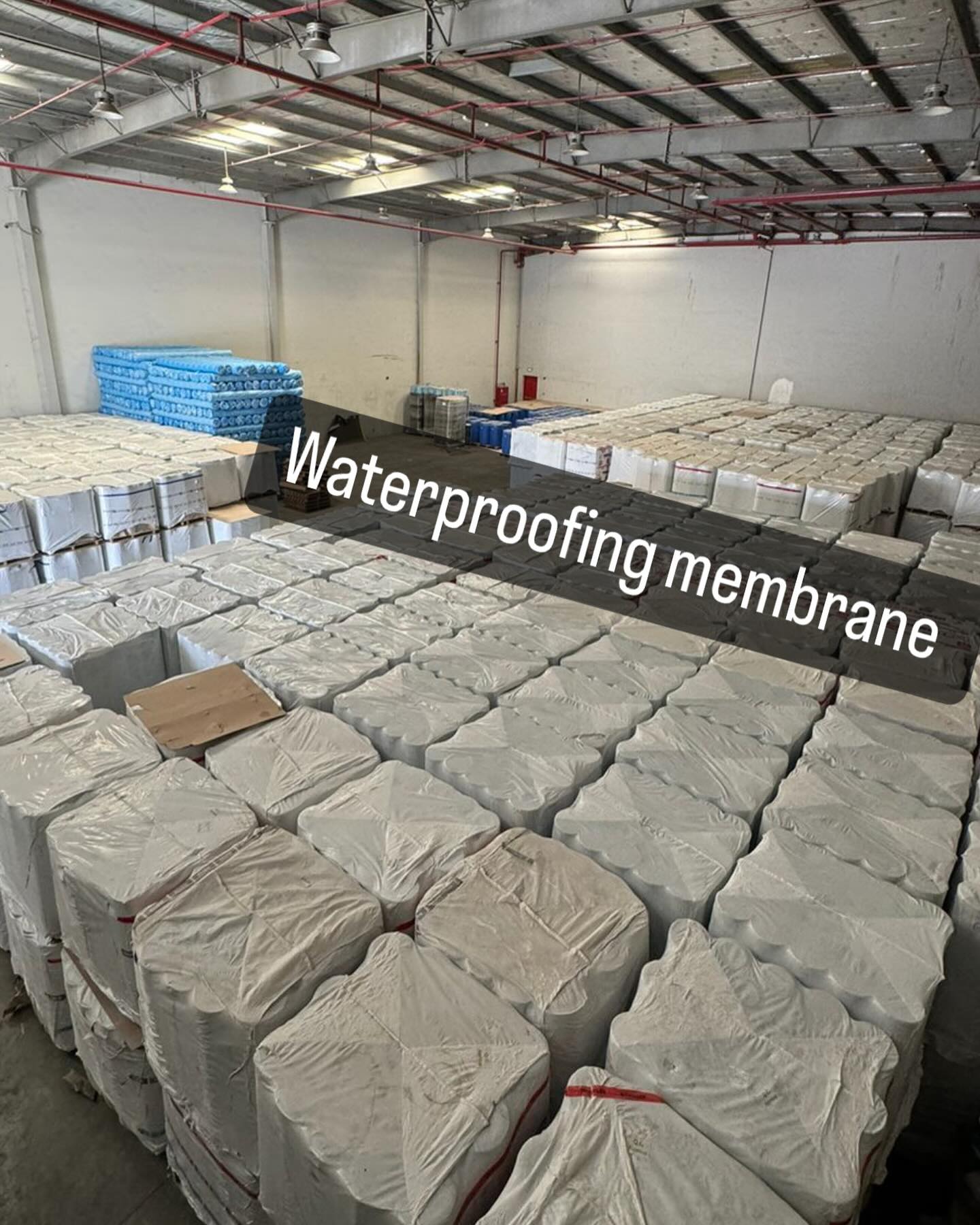
What is a Waterproofing Membrane?
A waterproofing membrane is a layer of protective material applied to surfaces like walls, roofs, or foundations to prevent water from penetrating. Essentially, it acts as a barrier that keeps water out and safeguards the integrity of the structure.
Think of it as a raincoat for your building—just like a raincoat keeps you dry during a downpour, a waterproofing membrane keeps moisture and water out of your home or office.
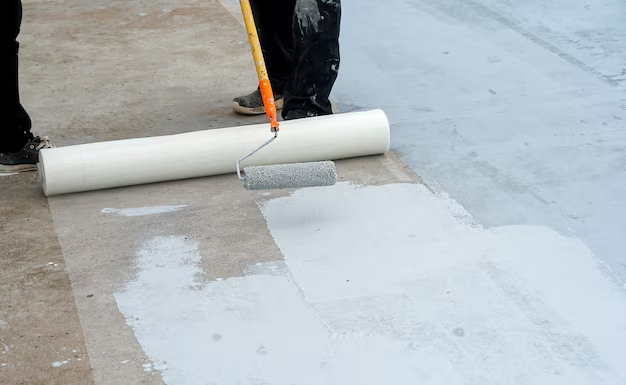
Types of Waterproofing Membranes
There are different types of waterproofing membranes based on materials and applications. Choosing the right type depends on factors like the area to be waterproofed, weather conditions, and durability. Here are some of the most common ones:
1. Sheet-based Waterproofing Membranes
Sheet-based membranes are pre-formed layers of waterproof material that are installed over a surface. They typically come in large sheets, which are then joined together to create a continuous waterproof barrier.
Bituminous Membranes: These are made from asphalt or tar and are often used on roofs. They are durable and provide excellent waterproofing for areas exposed to harsh weather conditions.
PVC Membranes: PVC (polyvinyl chloride) membranes are flexible, durable, and resistant to UV rays. They are ideal for roofing and large outdoor areas.
2. Liquid-based Waterproofing Membranes
These membranes are applied in liquid form and solidify into a flexible, seamless layer. They are ideal for irregular surfaces or areas where traditional sheets may be hard to install.
Polyurethane Membranes: Polyurethane is known for its flexibility and high durability. It works well for both internal and external waterproofing, especially in places like terraces and balconies.
Cementitious Waterproofing Membranes: This type of membrane is made from a mix of cement and waterproofing materials. It is usually applied in areas that are constantly exposed to moisture, like bathrooms, basements, or water tanks.
Key Benefits of Waterproofing Membranes
Why should you invest in waterproofing membranes? Here are some key benefits:
1. Prevents Structural Damage
Water seepage can weaken walls, floors, and foundations over time. Using waterproofing membranes helps prevent long-term structural damage, ensuring the building stays strong and stable.
2. Protects Against Mold and Mildew
Moist environments encourage the growth of mold and mildew, which can be hazardous to your health. Waterproofing membranes keep water from entering, thus reducing the risk of mold infestations.
3. Enhances Durability of the Building
Waterproofing not only protects the building from water damage but also extends its lifespan. A well-protected structure will naturally stand the test of time, requiring fewer repairs.
4. Energy Efficiency
When a building is waterproofed properly, it reduces the chances of dampness, which can lead to heat loss. A dry, insulated space will be more energy-efficient, helping you save on energy bills.
5. Aesthetic Appeal
Waterproofing membranes keep the building looking new and fresh. Water stains, damp patches, and peeling paint are unsightly. Waterproofing ensures that the structure maintains its visual appeal over time.
Where Can Waterproofing Membranes Be Used?
Waterproofing membranes can be used in various parts of a building depending on where moisture is most likely to penetrate. Here are some common areas where they are applied:
1. Roof Waterproofing
Roofs are one of the most exposed areas of any building and face the brunt of weather elements like rain, snow, and heat. Waterproofing membranes on roofs provide a solid barrier that prevents leaks and protects the building from damage.
2. Basement Waterproofing
Basements are often prone to dampness due to their proximity to the ground. Using waterproofing membranes in basements keeps water out and prevents issues like flooding and mold growth.
3. Bathroom Waterproofing
Bathrooms are constantly exposed to water, making them prime candidates for waterproofing. Applying waterproofing membranes ensures that water does not seep into the walls or floors, preventing damage to the structure.
4. Balconies and Terraces
Outdoor spaces like balconies and terraces are exposed to rain and weather changes. Waterproofing membranes ensure that these areas remain dry and safe, preventing leaks into the rooms below.
Protective Materials Used Alongside Waterproofing Membranes
In addition to membranes, various protective materials are used to enhance the effectiveness of waterproofing. These materials offer additional layers of protection and ensure that the waterproofing system performs optimally.
1. Primers
Primers are applied to surfaces before the waterproofing membrane to ensure better adhesion. They prepare the surface by filling in any small cracks or pores, creating a smooth base for the membrane.
2. Sealants
Sealants are used to seal joints, cracks, or edges where water might seep through. Silicone and polyurethane sealants are commonly used in areas that experience constant exposure to water.
3. Protective Coatings
Once the waterproofing membrane is in place, protective coatings are often applied over it to provide extra durability. These coatings shield the membrane from wear and tear, ensuring it lasts longer.
Steps to Apply Waterproofing Membranes
Applying waterproofing membranes involves several steps to ensure that the barrier is effective. Here’s a simple breakdown:
Surface Preparation: Before applying the membrane, the surface must be clean, dry, and free from any debris or damage.
Priming: A primer is applied to prepare the surface and help the membrane adhere better.
Installing the Membrane: Depending on whether you are using a sheet-based or liquid-based membrane, the material is applied over the surface. For sheet membranes, sheets are joined together to form a continuous layer, while liquid membranes are spread evenly to cover the surface.
Sealing Joints: Any gaps or edges where water could potentially leak through are sealed using sealants.
Adding Protective Coatings: In some cases, an additional protective coating is applied on top of the membrane to add extra durability.
Choosing the Right Waterproofing Membrane for Your Project
Selecting the right waterproofing membrane depends on the specific needs of your project. Consider factors like the climate, the type of surface, and the exposure to water. For example, if you're waterproofing a roof, you may want to go for a more durable, UV-resistant membrane like PVC, while for a bathroom or basement, a liquid-based membrane like polyurethane might be more suitable.
We at Aim Industries are here to safeguard your projects with top-quality waterproofing solutions. Protect your investment—contact us today for expert guidance and reliable service!
Visit >> https://www.aim-insu.com/waterproofing-and-protective-membranes.php
About the Creator
Enjoyed the story? Support the Creator.
Subscribe for free to receive all their stories in your feed.
Comments
There are no comments for this story
Be the first to respond and start the conversation.