
Waste Management Market Gains Momentum as Sustainability Reshapes Global Priorities
Communities, businesses, and governments accelerate waste management strategies amid rising environmental expectations
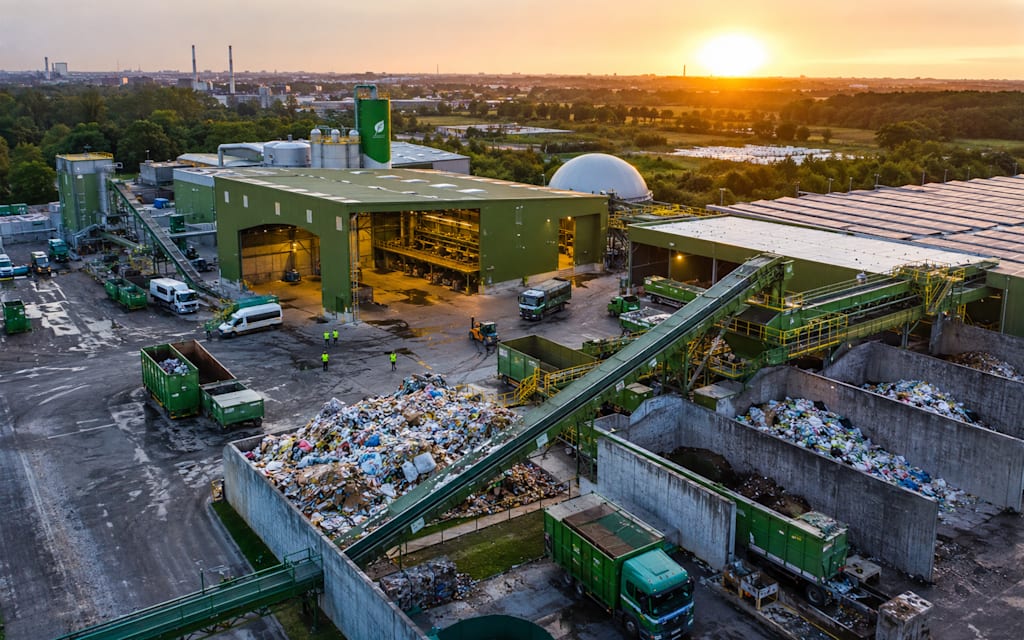
The first thing people notice is not the trash.
It is the absence of it.
Cities once overwhelmed by overflowing bins, illegal dumping sites, and landfill concerns are gradually transforming into cleaner, more organized environments. Behind that visible change lies a massive global effort that most people rarely think about until collection day arrives.
Waste management has quietly become one of the most critical pillars supporting modern life. As urban populations expand and sustainability goals become more ambitious, communities are placing increasing pressure on governments and businesses to rethink how waste is collected, processed, recycled, and repurposed. What was once considered a basic municipal service is now evolving into a strategic industry with far-reaching economic and environmental influence.
A New Era of Resource Responsibility
The conversation surrounding waste has shifted dramatically over the past decade. Organizations are no longer viewing discarded materials as simple refuse. Instead, many see an opportunity to recover value, reduce environmental impact, and support long-term sustainability objectives.
This transition is helping shape the future of the waste management industry across multiple sectors. From residential collection systems to industrial recycling facilities, innovation is driving new approaches to handling materials more efficiently. Businesses are investing in smarter sorting technologies, automated processing systems, and circular economy initiatives designed to extend the lifecycle of valuable resources.
According to Mordor Intelligence, the Waste Management Market is estimated at USD 1.52 trillion in 2026 and is projected to reach USD 2.09 trillion by 2031, growing at a CAGR of 6.58%. The growth reflects increasing awareness around sustainability, environmental regulations, and the need for more advanced waste processing infrastructure worldwide.
For many communities, effective waste management now represents more than cleanliness. It has become a visible indicator of economic development, environmental stewardship, and public health preparedness.
Innovation Drives Industry Transformation
Across the globe, technological advancements are reshaping operational strategies. Artificial intelligence-assisted sorting systems can now identify recyclable materials with remarkable accuracy, helping facilities improve efficiency while reducing contamination rates.
At the same time, digital monitoring tools are allowing municipalities to optimize collection routes, minimize fuel consumption, and improve service reliability. These developments are contributing to evolving waste management industry trends that prioritize both environmental and operational performance.
Investors and policymakers are paying close attention to these developments because waste management touches nearly every aspect of daily life. Efficient systems reduce landfill dependence, lower greenhouse gas emissions, and help recover materials that can re-enter manufacturing supply chains.
The industry’s transformation is also creating opportunities for collaboration. Governments, private operators, technology providers, and environmental organizations are increasingly working together to develop integrated solutions capable of addressing growing waste volumes in urban and industrial centers.
As sustainability commitments become more visible, stakeholders are recognizing that long-term success depends on balancing economic growth with responsible resource management.
Competition and Sustainability Shape Future Growth
Market participants are continuously adapting to changing expectations from consumers, regulators, and investors. Sustainability metrics are becoming important performance indicators, influencing operational decisions and investment priorities alike.
As organizations compete to expand their presence, understanding waste management market share dynamics has become increasingly important. Companies that successfully integrate innovation, efficiency, and environmental responsibility are often better positioned to capitalize on emerging opportunities.
Meanwhile, public awareness continues to grow. Consumers are paying closer attention to recycling programs, waste reduction initiatives, and environmental accountability. This heightened engagement is encouraging organizations to adopt more transparent practices and measurable sustainability goals.
The broader waste management market size expansion reflects this collective momentum. As infrastructure investments increase and resource recovery technologies mature, the industry is expected to remain a central component of global sustainability strategies for years to come.
The future of waste management may ultimately be defined not by what societies throw away, but by what they choose to recover, reuse, and reimagine.
As communities continue embracing cleaner and more sustainable systems, one question remains:
What changes have you noticed in waste management practices where you live, and which innovations do you believe will have the greatest impact in the years ahead?
About the Creator
Enjoyed the story? Support the Creator.
Subscribe for free to receive all their stories in your feed.
Comments
There are no comments for this story
Be the first to respond and start the conversation.