
Vietnam’s High-Stakes Gamble: Can Hanoi Sustain a Double-Digit Growth Mirage?
Amidst global energy shocks, inflationary pressures, and complex US trade negotiations, Prime Minister Le Minh Hung’s ambitious 10% GDP target for 2027 will test the limits of Southeast Asia’s newest manufacturing powerhouse.

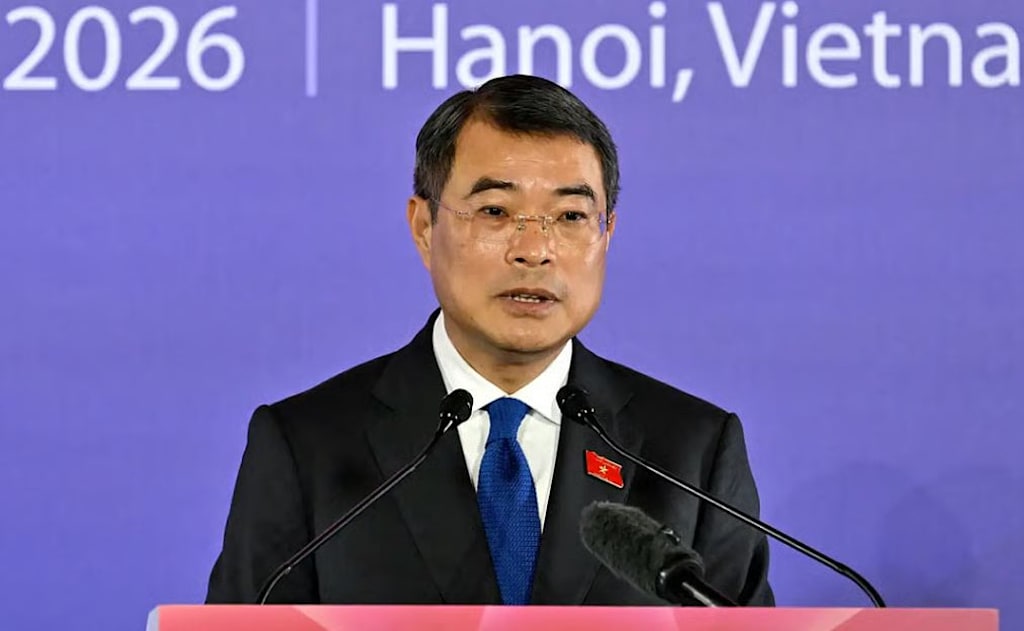
Vietnam is rapidly cementing itself as a critical linchpin in the modern global supply chain. From assembling electronics for Apple Inc. to manufacturing garments for renowned clothing brands, the nation has experienced a remarkable economic renaissance. Yet, as the government looks to the future, it is setting its sights on a target that borders on the extraordinary. In a recent address to the National Assembly, Prime Minister Le Minh Hung projected that the nation’s gross domestic product will expand by at least 10% next year. This bold declaration outlines a vision of relentless expansion, setting the stage for a high-stakes economic gamble against formidable global headwinds.
The blueprint for achieving this double-digit growth is rooted in aggressive domestic policy and massive infrastructure development. Prime Minister Hung emphasized that the government will implement "decisive and effective measures" to lower lending rates, explicitly directing credit toward production, business, and exports. To fuel this, the premier ordered ministries to fully disburse 2026’s public investment spending, keeping critical projects on schedule. Beyond traditional infrastructure like seaports, inland waterways, and railways, Hanoi is prioritizing tech development. Notably, the administration is focusing resources on the "low-altitude economy," signaling a strategic pivot toward advanced technologies like drone logistics and urban air mobility to drive future productivity.
However, the path to a 10% expansion is fraught with severe macroeconomic challenges, chief among them being the inflationary tightrope the central bank must walk. The economy is currently running hot, having averaged an impressive 9% growth in the first three quarters of the year. But this rapid acceleration has come at a cost. Inflation quickened to 5.08% in September, surpassing the government’s intended cap of 4.5% for the current year. This overshoot is largely exacerbated by the ongoing conflict in Iran, which has triggered a severe energy shock, driving up fuel costs and raising banks’ funding costs.
This creates a profound dilemma for the central bank. It faces immense pressure to maintain interest rates to stabilize prices and protect the exchange rate. Conversely, achieving the 10% growth target requires cheap credit to stimulate industry. As Phan Van Mai, head of parliament’s economic committee, cautioned legislators, while the 10% target reflects the strong determination of the government, it poses significant challenges. The foundation for this expansion remains unstable, burdened by mounting inflationary pressures and an insatiable demand for both capital and energy.
Beyond domestic monetary constraints, Vietnam must also navigate a complex and potentially hostile geopolitical landscape, particularly regarding its largest export market: the United States. With a massive trade surplus with Washington, Vietnam has found itself in the crosshairs of US trade protectionism. The threat of punitive tariffs looms large, with transshipment and non-tariff barriers serving as major sticking points.
To mitigate this risk, Hanoi has engaged in months of intensive negotiations with Washington. President To Lam recently expressed optimism, stating in an interview that the two countries are "very close" to reaching a comprehensive trade deal. To narrow its trade surplus and appease US demands, Vietnam has repeatedly pledged to significantly increase its purchases of high-tech American goods, commercial aircraft, and liquefied natural gas (LNG). This strategic concession not only aims to secure favorable trade terms and avoid crippling tariffs but also aligns with Vietnam’s domestic goals of upgrading its energy grid and technological infrastructure.
Ultimately, Vietnam’s pursuit of a 10% GDP growth rate is a testament to its relentless ambition and its desire to transition from a lower-middle-income country to a modern, high-tech industrialized nation. This multiyear commitment signals to foreign investors that Hanoi remains willing to deploy all available fiscal and monetary levers to sustain momentum.
Yet, the laws of macroeconomics are unforgiving. Sustaining a 10% growth rate while keeping inflation at 4.5% in an era of geopolitical conflict and global energy shocks requires a level of precision that few nations have ever achieved. The coming year will be a crucible for Vietnam’s economic model. If the government can successfully thread the needle securing the US trade deal, managing the energy shock from the Iran conflict, and channeling credit efficiently without stoking runaway inflation, it will solidify its status as an economic miracle of the 21st century. If it falters, the ambitious 10% target may prove to be a mirage, highlighting the perilous limits of growth in an increasingly fractured global economy.
About the Creator
Mark Lim
Hi I am mark an automotive student and a car, tech and food enthusiast ! Im gonna try and post daily & hope you enjoy what I write and do share my page with people you know. I would gladly appreciate it! Cheers
Enjoyed the story? Support the Creator.
Subscribe for free to receive all their stories in your feed.
Comments
There are no comments for this story
Be the first to respond and start the conversation.