
Vibrating Alarm Clock for Deaf: Revolutionizing Wake-Up Solutions
Discover the best-vibrating alarm clock for deaf and hard-of-hearing users. It features tactile alerts, flashing lights, and innovative features for effective wake-up calls.
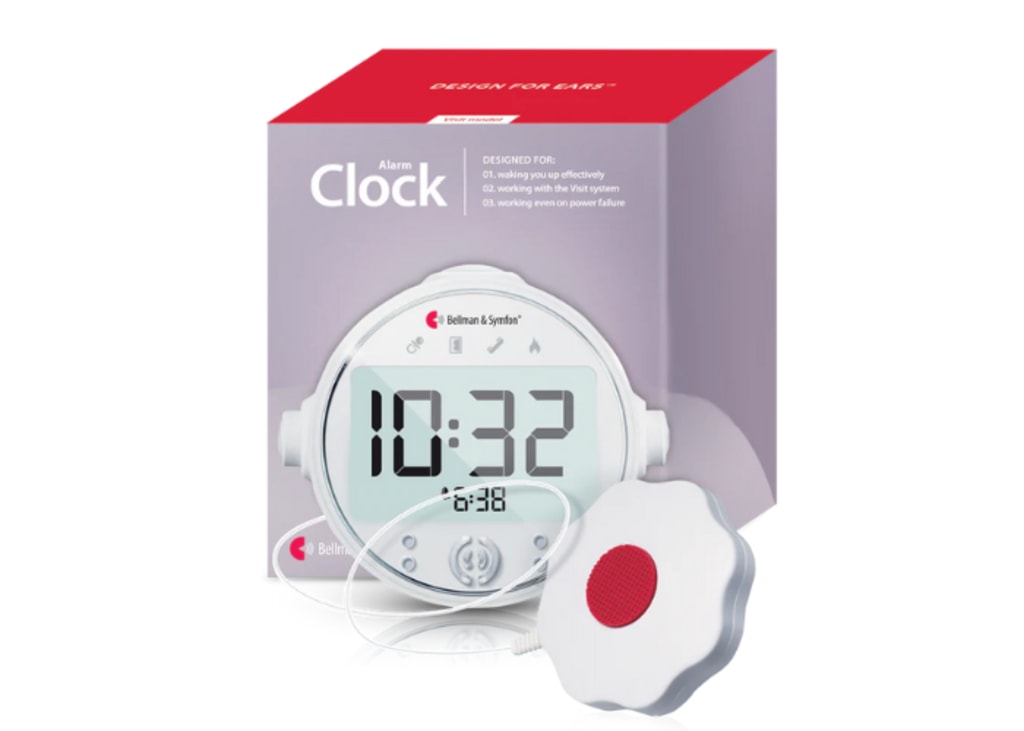
For those who are deaf or hard of hearing, starting the day on time can be challenging. Traditional alarm clocks that rely on loud sounds often fail. Thankfully, a vibrating alarm clock for deaf users offers an innovative solution to effectively wake up, ensuring independence and punctuality for all.
Why Regular Alarm Clocks Are Not Enough
Traditional alarm clocks are designed with sound-based alerts, assuming users can hear the alarm. However, this design creates challenges for individuals with hearing impairments:
Auditory Dependence: Without loud sounds, these alarms fail to alert deaf individuals effectively.
Increased Risks: Oversleeping due to missed alarms can disrupt routines and lead to missed commitments.
This gap has paved the way for more inclusive solutions, such as alarm clocks for the hard of hearing, designed with accessibility in mind.
How Vibrating Alarm Clocks Work
A vibrating alarm clock combines tactile, visual, and sometimes smart features to deliver wake-up alerts tailored to the user's needs:
Tactile Alerts: A vibrating pad is placed under a pillow or mattress, creating strong vibrations to wake users.
Flashing Lights: Bright LED lights flash repeatedly, acting as visual cues.
Smart Notifications: Advanced models send alerts to connected devices like smartphones or smartwatches.
These features ensure reliable wake-ups, even for deep sleepers.
Key Features of Vibrating Alarm Clocks for the Deaf
When choosing a vibrating alarm clock, certain features enhance usability and efficiency:
Adjustable Vibrations: Look for clocks with customizable vibration intensity.
Multifunctional Alerts: Devices combining vibrations, lights, and optional sounds cater to diverse needs.
Compact and Portable: Lightweight designs make these clocks ideal for travel.
Smart Connectivity: Integration with apps or smart home systems for added convenience.
Durability: Choose models with high-quality materials to ensure longevity.
Benefits of Using Vibrating Alarm Clocks
Investing in a vibrating alarm clock offers a host of benefits for deaf people:
Independence: Users can wake up independently without relying on others.
Customizable Wake-Up Calls: Adjust the alarm's settings to suit personal preferences.
Multi-Sensory Alerts: Combining tactile and visual signals ensures no alert goes unnoticed.
Convenience: Portable models allow users to maintain their routines while traveling.
How Vibrating Alarm Clocks Promote Inclusivity
These clocks aren't just about functionality; they also contribute to a more inclusive world:
Accessibility: By offering non-auditory alerts, vibrating alarms address the specific needs of deaf people.
Empowerment: Users can manage their schedules without external assistance.
Broader Applications: These clocks also benefit heavy sleepers and those in shared spaces who want silent wake-ups.
Let’s visit shop.bellman.com for more alarm clocks for the hard of hearing people or heavy sleepers.
Innovative Features in Modern Vibrating Alarm Clocks
Advancements in technology have transformed vibrating alarm clocks into highly versatile devices:
- App Integration: Set and adjust alarms via smartphone apps for added convenience.
- Silent Mode: Enable vibrations only to avoid disturbing others.
- Multiple Alarms: Set different alarms for varying schedules.
- Battery Backup: Ensures reliability during power outages.
These features enhance the user experience, making wake-ups seamless and efficient.
How to Choose the Right Vibrating Alarm Clock
Selecting the ideal vibrating alarm clock depends on your lifestyle and preferences:
Understand Your Needs: Determine if vibrations, lights, or both are necessary.
Check Compatibility: If you use smart devices, opt for a clock that integrates seamlessly.
Test Features: Look for adjustable vibration and light settings to ensure customization.
Prioritize Portability: Lightweight and battery-operated models are a must for frequent travelers.
You can find the perfect alarm clock tailored to your requirements by evaluating these factors.
Maintaining Your Vibrating Alarm Clock
To keep your alarm clock for deaf people performing at its best, follow these maintenance tips:
Regular Testing: Test vibrations and lights weekly to ensure functionality.
Clean the Device: Dust and dirt can impact performance, so clean it periodically.
Replace Batteries: Use fresh batteries or recharge the device as needed.
Update Firmware: Keep the software updated for optimal performance for innovative models.
Routine care ensures your device remains dependable over time.
Debunking Myths About Vibrating Alarm Clocks
Despite their growing popularity, some misconceptions persist about vibrating alarm clocks:
- "They're only for the deaf." While designed for deaf individuals, they're also great for heavy sleepers or shared spaces.
- "They're hard to set up." Most models are user-friendly, with straightforward instructions.
- "They're expensive." Vibrating alarm clocks are available at a range of prices, making them accessible to various budgets.
Understanding these myths can help users make informed decisions.
Final Thoughts on Vibrating Alarm Clocks for the Deaf
A vibrating alarm clock for deaf individuals is more than a wake-up device; it's a tool for independence, inclusivity, and improved routines. Whether you prefer strong vibrations, bright lights, or smart connectivity, these clocks provide reliable and customizable solutions. With countless options available, there's no reason to compromise on punctuality or peace of mind.
About the Creator
Enjoyed the story? Support the Creator.
Subscribe for free to receive all their stories in your feed.
Comments
There are no comments for this story
Be the first to respond and start the conversation.