
Vegan Desserts Market: A $6.91 Billion Indulgence Industry
How dairy allergies, environmental values & genuinely better ingredients are making vegan desserts a mainstream rather than niche choice

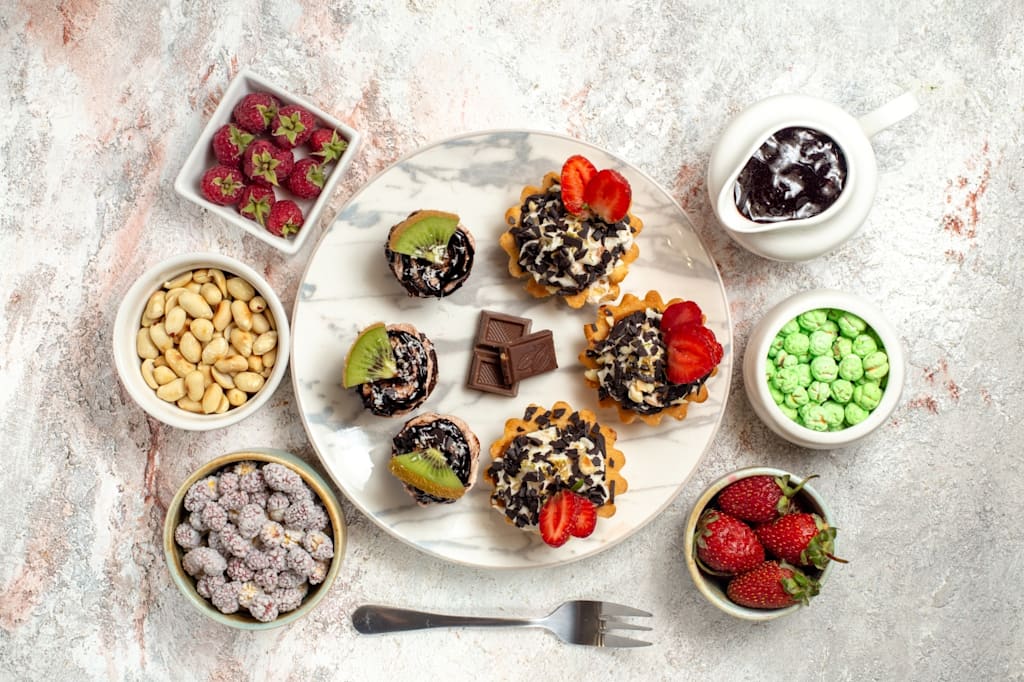
There is a particular challenge that vegan desserts have always faced and it is not the one most people assume.
The challenge is not convincing people that plant-based eating is worthwhile. That argument has been largely won across a significant and growing segment of consumers. The challenge is making something that tastes as good as what it is replacing. Dessert is one of the most unforgiving categories in food because people eat it purely for pleasure. There is no nutritional justification to hide behind. If it does not taste right the purchase does not repeat.
For most of the vegan dessert category's history that challenge was only partially met. Products existed. People with specific dietary requirements bought them. But the texture was often wrong. The sweetness was off. Something about the mouthfeel reminded you that you were eating a substitute rather than the thing itself.
That has changed. And the market data reflects it.
According to Mordor Intelligence, the global vegan desserts market reached USD 4.88 billion in 2025 and is expected to grow at a 7.21% CAGR through 2030, reaching USD 6.91 billion. That growth is not being driven by a niche of committed vegans buying products that mainstream consumers would not touch. It is being driven by mainstream consumers finding products they actually want to eat.
Why the Ingredient Story Has Changed
The most significant development in the vegan desserts market over the past several years is not on the demand side. It is on the formulation side.
Plant-based ingredient technology has advanced to the point where the gap between a well-made vegan dessert and its conventional equivalent has narrowed considerably in texture, flavor, and overall eating experience. Oat-based creams that behave like dairy cream when whipped and heated. Coconut-derived fats that provide the richness and mouthfeel of butter in baked goods. Aquafaba, the liquid from cooked chickpeas, that creates the same foam structure as egg whites in mousses and meringues. Cashew-based cream cheeses that set, slice, and spread in ways that earlier generations of vegan alternatives could not.
These are not approximations that require willpower to enjoy. They are functional ingredients that produce genuinely good results when used by people who know what they are doing. The expansion of culinary knowledge around plant-based baking and dessert-making, distributed through food media, recipe platforms, and the professional kitchens of chefs who have been experimenting seriously with these ingredients, has created a skill base that did not previously exist at anything like its current scale.
Food processing technology has kept pace with ingredient development. Manufacturers can now produce vegan ice creams, cakes, and confectionery at commercial scale with consistency that artisan production could achieve but factory production previously could not. The quality available in a supermarket aisle today reflects genuine technological progress rather than simply scaled-up compromise.
The Dairy Allergy and Lactose Intolerance Factor
One of the less discussed but commercially significant drivers of vegan dessert growth is the large population of consumers who have medical or physiological reasons to avoid dairy, regardless of any ethical position on animal products.
Lactose intolerance affects a substantial portion of the global adult population and its prevalence varies significantly by geography, with higher rates across Asian, African, and Latin American populations. For these consumers a vegan dessert is not an ethical choice. It is a practical one. A chocolate cake that does not cause digestive discomfort afterward is simply a better chocolate cake for someone whose body cannot process dairy.
Dairy allergies, which are distinct from lactose intolerance and involve an immune response to milk proteins rather than difficulty digesting lactose, affect a smaller but still significant consumer segment. For people with genuine dairy allergies the availability of high-quality vegan desserts is not a lifestyle preference but a meaningful improvement in quality of life. What they can safely eat and genuinely enjoy has expanded as formulation quality has improved.
This medically motivated consumer base provides a floor of consistent demand for vegan desserts that exists independently of trends in ethical consumption or environmental awareness. It also tends to be a highly loyal consumer segment because the switching cost of moving away from products that work for their dietary requirements is high.
Environmental and Ethical Values as Purchase Drivers
Beyond the consumers who choose vegan desserts for health or medical reasons, a growing segment is making the choice based on values that connect individual food decisions to larger concerns about environmental impact and animal welfare.
The environmental case for plant-based desserts is straightforward in broad terms. Producing dairy and eggs generates greenhouse gas emissions, requires land and water, and involves farming systems whose environmental impact is substantial at the scale of global production. A dessert made from oats, nuts, coconut, and fruit has a lower environmental footprint than an equivalent dessert made from butter, cream, and eggs. For consumers who have decided to align their food choices with their environmental values, this difference matters and influences purchasing decisions consistently.
Animal welfare concerns operate through a similar mechanism. Consumers who have become uncomfortable with the conditions of industrial dairy and egg production find vegan desserts a way to continue enjoying sweet foods without the ethical discomfort that knowledge of those production systems creates. This motivation tends to be durable because it is rooted in values rather than trends.
What has changed is that these value-based motivations can now be satisfied by products that compete on taste rather than requiring compromise. The ethical consumer no longer has to choose between their values and eating something they actually enjoy. That alignment of values and pleasure is a powerful commercial combination.
Where the Market Is Expanding
Vegan desserts have moved from being primarily a phenomenon of developed Western markets into a category with genuine global growth dynamics.
North America and Western Europe remain the most developed markets, supported by high consumer awareness of plant-based eating, well-established retail infrastructure for specialty dietary products, and strong communities of food-aware consumers who actively seek out new plant-based options. These markets continue to grow but from a higher base.
Emerging markets across Asia-Pacific, Latin America, and parts of Africa and the Middle East represent growth opportunities that are becoming increasingly significant. Rising middle-class incomes in these regions support spending on premium food products. The naturally high rates of lactose intolerance in many Asian markets create a built-in consumer base for dairy-free alternatives. And the global vegan population has been growing across geographies rather than remaining concentrated in its traditional Western strongholds.
E-commerce has been particularly important in expanding vegan desserts into markets where physical retail representation remains limited. A consumer in a smaller city in India or Brazil who wants access to premium plant-based dessert products can increasingly find them through online channels even where local supermarket shelves do not yet stock them.
My Closing Thought on This
Vegan desserts started as a category defined by what they excluded.
No dairy.
No eggs.
No animal products.
The conversation was about absence rather than about what was actually there.
The better products in the category today have inverted that conversation. They are defined by what they include. Genuine ingredients. Real flavor. Textures that satisfy in ways earlier generations of plant-based food products could not consistently deliver.
With the market heading toward USD 6.91 billion by 2030, enough consumers have clearly decided that what is in the bowl matters more than what is not.
That is probably the right way to think about dessert regardless of what it is made from.
About the Creator
Harvey Specter
I am passionate about Food & Beverage, Ag, & Animal Nutrition companies. I help organizations unlock their data's potential and fuel business growth. My expertise transforms raw data into actionable insights for strategic decisions.
Enjoyed the story? Support the Creator.
Subscribe for free to receive all their stories in your feed.
Comments
There are no comments for this story
Be the first to respond and start the conversation.