
Vegan Cat Food Market: An Alternative Protein Boom
Precision Fermentation and Synthetic Taurine Propel the Plant-Based Pet Sector Toward USD 2.1 Billion by 2030

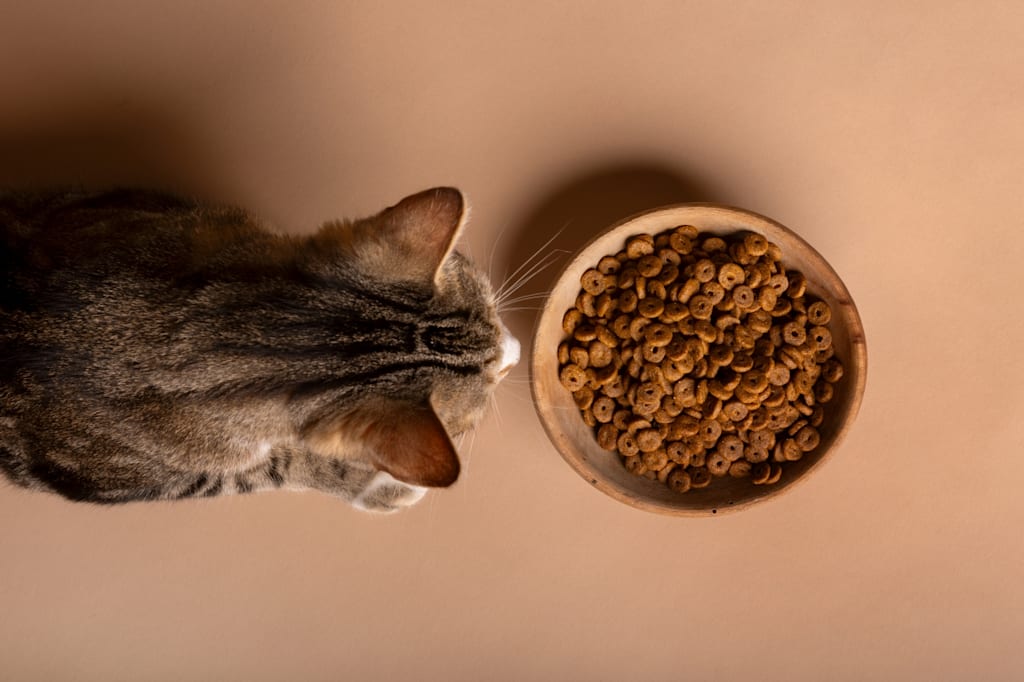
I’ve started noticing a fascinating shift during my regular pet store runs and online subscription checks lately.
It wasn’t that long ago that the feline nutrition aisle was strictly a wall of traditional salmon, beef, and poultry cans.
But browse any modern pet boutique or premium direct-to-consumer platform today, and you will see an entirely new category carving out space. Eco-conscious pet parents are increasingly exploring plant-based kibbles, checking labels for clean-label vegetable proteins like peas and lentils, and opting for scientific, cruelty-free formulations. What began as a niche lifestyle choice for humans has officially crossed over into the food bowls of our companion animals.
This behavioral transition is generating substantial commercial value. According to the latest data from Mordor Intelligence, the global vegan cat food market size reached USD 1.25 billion in 2025 and is projected to expand to USD 2.12 billion by 2030. Driven by the rising wave of pet humanization and intense consumer interest in sustainable agriculture, the market is forecast to grow at an impressive 11.1% CAGR through the end of the decade.
The Evolution of Feline Nutrition: Solving the Obligate Carnivore Puzzle
Historically, creating a plant-based diet for cats was considered an insurmountable biological challenge. Because cats are obligate carnivores, they require specific, ready-made nutrients, most notably the essential amino acid taurine, which do not naturally occur in plant tissue. A deficiency in these compounds can lead to severe feline health complications, including dilated cardiomyopathy and blindness.
In 2026, the industry will fundamentally solve this nutritional puzzle through breakthroughs in biotechnology. Product developers are successfully utilizing synthetic taurine and precision fermentation to bio-engineer complete, stable amino acid profiles. By leveraging specialized yeast and microflora cultures to brew nature-identical nutrients in a controlled environment, brands are able to deliver the exact physiological building blocks cats require. This scientific evolution ensures that plant-based formulations can offer a complete and balanced daily ration without relying on traditional livestock networks.
Format and Delivery Innovation: Dry Kibble vs. Fresh Sourcing
The internal architecture of the market reveals a dynamic interplay between established processing methods and fast-growing premium formats:
- Dry Kibble Retains the Crown: Traditional dry kibble continues to hold the largest absolute revenue share across the sector. This dominance is heavily anchored by its long shelf life, affordable price-per-serving ratio, convenience of portion control, and highly mature distribution channels across mass-market pet superstores.
- The Freeze-Dried and Online Surge: While kibble leads in sheer volume, freeze-dried formats and online retail channels are logging the fastest growth. Modern pet owners are increasingly gravitating toward specialized digital subscription services that offer personalized meal plans. These direct-to-consumer (DTC) models thrive by emphasizing transparent sourcing claims and "fresh-food" positioning, utilizing rapid-delivery logistics to drop minimally processed, nutrient-dense packages directly at a consumer's doorstep.
Climate Risk and the Search for Supply Chain Resilience
Beyond the cultural push of pet humanization, the market is being aggressively accelerated by systemic environmental pressures. The global livestock industry is facing intensifying climate-related supply risks, where erratic weather patterns, water scarcity, and fluctuating grain costs make animal-source proteins increasingly volatile and expensive.
This economic uncertainty is driving major fast-moving consumer goods (FMCG) entrants and venture-backed disruptors to look toward plant-derived protein streams. Ingredients like highly digestible pea protein concentrates, textured soy, and fiber-rich lentil matrices provide a highly predictable, climate-resilient alternative. By reducing reliance on complex, carbon-heavy meat supply chains, manufacturers can secure a scalable production model while simultaneously appealing to the eco-conscious values of Gen Z and Millennial pet parents.
Regional Dynamics: North America Leads, Asia-Pacific Accelerates
The global consumption footprint highlights a clear contrast between established high-value hubs and rapidly expanding pet economies:
- North America: Remains the largest regional market globally. This position is supported by exceptionally high per-capita spending on pets, a mature infrastructure of natural specialty boutiques, and a deeply embedded culture of treating companion animals as core family members.
- Asia-Pacific: Is recording the highest incremental growth and fastest gains across the forecast period. This rapid expansion is powered by the steady rise of an urban middle class in countries like China and India, combined with pervasive mobile e-commerce adoption and government-supported investments in alternative protein biotechnology.
Final Thoughts: A Smarter, Greener Bowl
As the vegan cat food market steadily advances toward its USD 2.12 billion milestone in 2030, the category is proving that high-tech food science can successfully modernize even the most traditional agricultural sectors. It paints a picture of a future where providing excellent, biologically complete care for our pets doesn't have to come at the expense of global climate stability.
The next time you pour a serving of premium, plant-based kibble or open a sustainably sourced pouch, take a moment to look at the engineering behind it. Behind that daily meal sits a sophisticated global network of precision fermentation, rigorous third-party nutritional audits, and a green supply chain dedicated to absolute ingredient transparency. The companion animal sector is getting cleaner, smarter, and significantly more responsible—one scientifically balanced bowl at a time.
About the Creator
Harvey Specter
I am passionate about Food & Beverage, Ag, & Animal Nutrition companies. I help organizations unlock their data's potential and fuel business growth. My expertise transforms raw data into actionable insights for strategic decisions.
Enjoyed the story? Support the Creator.
Subscribe for free to receive all their stories in your feed.
Comments
There are no comments for this story
Be the first to respond and start the conversation.