
Vanilla Bean Market: A Premium Botanical
Supply-Side Vulnerabilities & Blockchain Tracking Shape Industry Toward USD 2.3 Billion by 2031

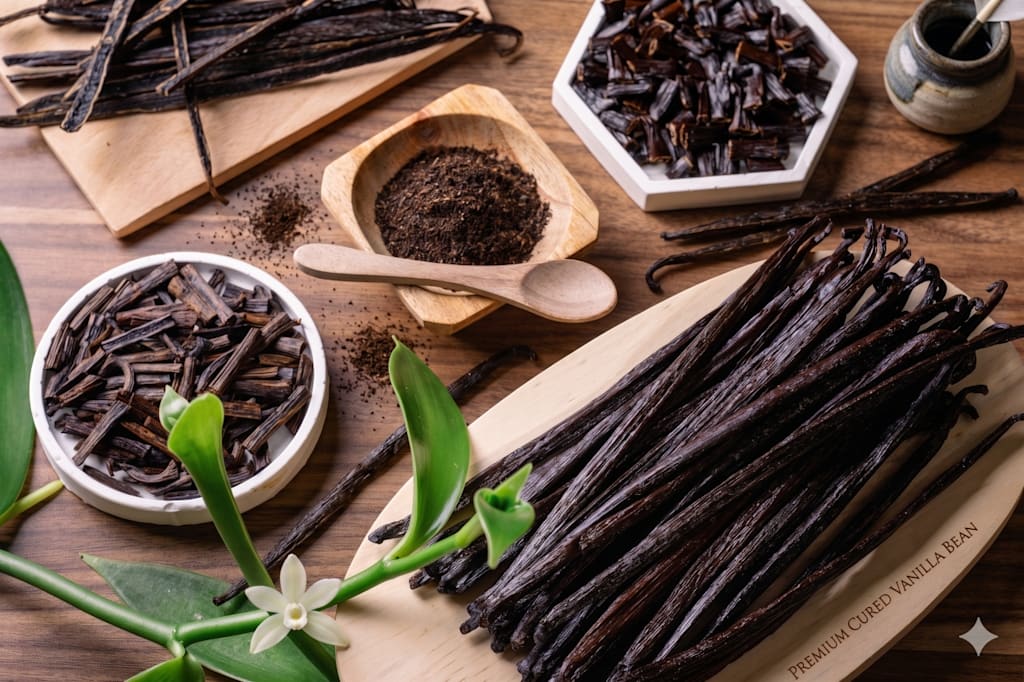
The world of baking, dairy processing, and high-end fragrance is navigating a highly volatile agricultural reality.
It wasn’t that long ago that sourcing vanilla meant choosing between standard liquid extract bottles and low-cost synthetic vanillin packets. However, scan any modern ice cream label, check artisanal bakery supplies, or look at premium personal-care ingredients today, and you will see a complete shift. Conscious consumers are seeking out genuine, visible vanilla bean specks, demanding verified proof of ethical origin, and avoiding mass-produced synthetic alternatives. What used to be treated as a standard, predictable commodity has officially transformed into one of the most closely tracked, high-value botanical assets in the global food supply chain.
This persistent focus on ingredient purity is driving substantial market value. According to data from Mordor Intelligence, the global vanilla bean market size is projected to expand from USD 1.6 billion in 2025 and USD 1.7 billion in 2026 to reach USD 2.3 billion by 2031. Fueled by an intense clean-label movement and a structural preference for natural flavor profiles over synthetic substitutes, the market is set to expand at a steady 6.23% CAGR between 2026 and 2031.
The Purity Premium: Natural Over Synthetic
The primary driver behind this multi-billion dollar expansion is the intense consumer demand for absolute ingredient transparency. While synthetic vanillin, often manufactured from petrochemicals or paper mill byproducts, efficiently serves cost-sensitive mass retail lines, it fails to capture the intricate depth of the real plant.
Natural vanilla contains a highly complex matrix of over 200 distinct flavor compounds that modern chemistry cannot flawlessly replicate. Because international food and cosmetic manufacturers can leverage a "natural flavor" label to unlock a 15% to 25% price premium on retail shelves, they are heavily prioritizing true botanical sourcing. This premiumization strategy allows brands to successfully justify their heavy, long-term procurement investments in raw cured pods.
Strategic Market Breakdown: Geographic Shares and Growth Speed
The internal structure of the global market reveals a clear divide between established Western consumption giants and fast-accelerating international regions:
- North American Dominance: Geographically, North America captured a dominant 37.8% of the vanilla bean market share in 2025. This leading position is heavily anchored by the United States food and beverage sector, where natural vanilla remains the absolute gold standard flavor for premium frozen dairy, confectionery lines, and bakery goods.
- Asia-Pacific Velocity: While North America leads in baseline value, the Asia-Pacific region represents the fastest-growing consumption hub, projected to post an industry-leading 7.2% CAGR from 2026 to 2031. This rapid acceleration is fueled by soaring urban disposable incomes across China and India, combined with a widespread consumer adoption of Western-style desserts, prompting regional processors to reformulate their menus around natural vanilla and origin-specific varieties.
Supply Chain Fragility: The Madagascar Bottleneck
Operating a global vanilla bean supply chain in 2026 means managing extreme geographic vulnerability. The market is defined by an intense concentration of supply, where Madagascar accounts for more than one-third of global production.
This singular production hub leaves the entire global industry highly exposed to several structural risks:
- Extreme Weather Events: The primary growing zone in northeastern Madagascar sits directly in a volatile South Indian Ocean storm corridor, where cyclical climate events can destroy hundreds of hectares of vanilla orchids in a single afternoon, triggering immediate worldwide wholesale price shocks.
- Organized Crime and Theft: Because green vanilla pods are incredibly valuable, farming families face the constant threat of organized field theft. This security issue often forces growers to harvest their crops prematurely, inadvertently lowering the overall vanillin content and degrading quality.
- Narrow Genetic Base: The vast majority of the island's crop relies on a single cultivar variety (Vanilla planifolia). This narrow genetic footprint significantly increases the herd's vulnerability to widespread disease or fungal blights.
Strategic Innovations: Controlled Environments and Blockchain
To protect corporate profit margins against this persistent supply-side volatility, flavor houses and agricultural technology firms are aggressively investing in alternative production models. A major trend gaining traction is the expansion of controlled-environment cultivation pilots in non-traditional growing regions like Israel, Australia, and the United States. By utilizing high-tech automated greenhouses to mimic optimal tropical humidity and temperature cycles, these pilots hint at a future where commercial vanilla can be reliably harvested year-round, completely isolated from climate-related shocks.
Simultaneously, leading food integrators are widening the competitive gap by modernizing their on-the-ground sourcing operations. Companies are deploying advanced blockchain verification systems to track single crop batches directly from individual smallholder farms to global processing facilities. By pairing these digital traceability tools with farmer pre-financing programs and carbon-credit agroforestry initiatives, international brands can secure a stable supply of high-grade beans while building an authentic, ethically responsible sustainability narrative that modern shoppers trust.
Final Thoughts: A Complex, Precious Blend
As the global vanilla bean market moves toward its USD 2.3 billion milestone in 2031, the category serves as a perfect example of how a delicate, labor-intensive crop can successfully adapt to a high-tech corporate world. By striking a precise balance between strict digital traceability, advanced indoor agricultural engineering, and direct, fair-trade relationships with smallholder farmers, the sector is safeguarding its long-term future.
The next time you enjoy a dish accented with natural vanilla bean specks or use a premium, aromatic personal-care product, take a brief moment to look past the scent. Behind that sweet flavor sits a highly sophisticated global network of manual orchid pollination, complex international trade logistics, and an ongoing technological push toward absolute supply chain resilience. The world's favorite natural flavor is becoming cleaner, more transparent, and beautifully secure, one traceable pod at a time.
About the Creator
Harvey Specter
I am passionate about Food & Beverage, Ag, & Animal Nutrition companies. I help organizations unlock their data's potential and fuel business growth. My expertise transforms raw data into actionable insights for strategic decisions.
Enjoyed the story? Support the Creator.
Subscribe for free to receive all their stories in your feed.
Comments
There are no comments for this story
Be the first to respond and start the conversation.