
Vanilla Bean Industry Outlook 2025–2032: Market Size, Share & Future Growth
The global vanilla bean market is projected grow US$ 2,005.1 Mn by 2032, with a 5.8% CAGR, driven by rising demand in pharmaceuticals and cosmetics.
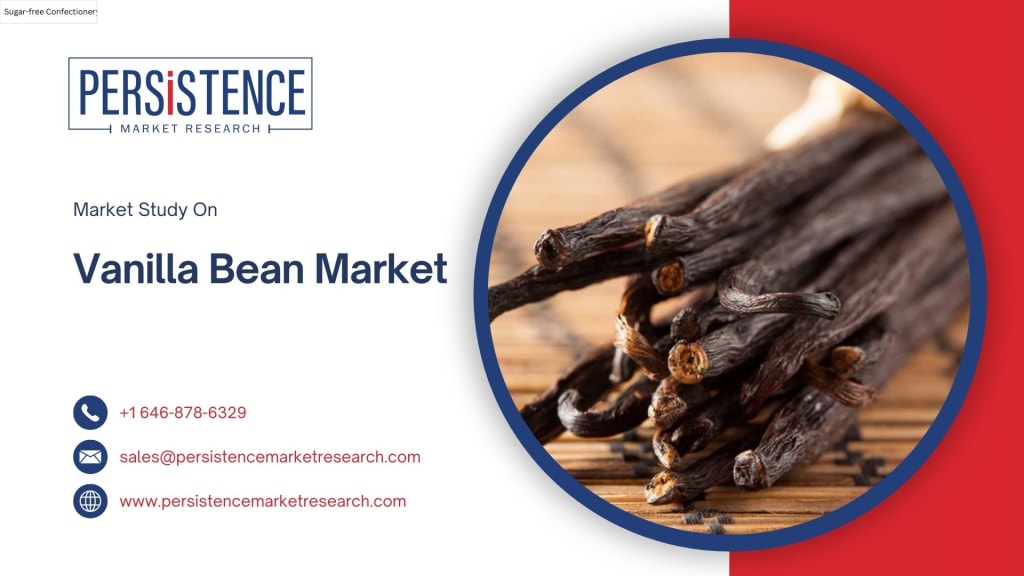
Vanilla, often considered the “queen of spices,” has long been admired for its rich, aromatic flavor and versatility in a wide range of food and beverage applications. From ice cream and chocolate to perfumes and pharmaceuticals, vanilla is essential in many industries. The global vanilla bean market is undergoing a transformation as demand continues to surge, driven by the growing popularity of natural and premium products, as well as the increasing consumer preference for authentic flavors.
In this blog post, we explore the future outlook of the vanilla bean industry from 2025 to 2032, delving into the market's projected growth, key drivers, challenges, and opportunities.
Global Vanilla Bean Market Overview
Vanilla beans are the primary ingredient in the production of vanilla flavoring, a highly sought-after product. The vanilla bean market is heavily influenced by global trends in food and beverage consumption, with natural ingredients gaining significant traction in recent years. Vanilla's popularity has risen due to its association with high-quality, authentic products that appeal to health-conscious consumers. The trend toward premiumization in food products, particularly in sectors like desserts and beverages, is a significant factor contributing to the growth of the vanilla bean market.
According to Persistence Market Research's projections, the global vanilla bean market is estimated to rise from US$ 1,337.3 Mn in 2025 to US$ 2,005.1 Mn by 2032. The market is projected to record a CAGR of 5.8% during the forecast period from 2025 to 2032. This growth is attributed to several factors, including the increased demand for natural flavors, growing awareness about the benefits of using natural ingredients, and the increasing applications of vanilla beans in various industries.
Key Factors Driving Market Growth
1. Consumer Preference for Natural Ingredients
Consumers are becoming more health-conscious and are shifting away from artificial ingredients toward natural alternatives. This change is particularly evident in the food and beverage industry, where vanilla, a natural flavor, is being preferred over synthetic vanilla (vanillin) in many products. Natural vanilla beans, often seen as a premium ingredient, are more expensive than artificial vanilla, but consumers are willing to pay a premium for products with authentic, high-quality ingredients.
2. Rising Demand for Premium and Organic Products
The demand for premium, organic, and sustainable products is driving the growth of the vanilla bean market. Organic vanilla, in particular, is gaining popularity, with more consumers seeking out certified organic vanilla beans and extracts. This trend is closely linked to the increasing awareness around sustainability and environmental concerns, as well as the growing number of consumers willing to invest in ethical and environmentally responsible products.
3. Expansion of Vanilla in Non-Food Applications
Beyond the culinary world, vanilla is also finding applications in the fragrance, personal care, and pharmaceutical industries. Vanilla’s rich aroma is prized in perfumes and cosmetics, where it is used in various scents and formulations. Additionally, vanilla is sometimes used in medicine, particularly in traditional remedies, and is believed to have certain health benefits, such as antioxidant properties and the potential to improve mood and reduce stress. As these industries continue to grow, so too will the demand for vanilla beans.
4. Increased Use in Plant-Based Products
With the rise of plant-based eating habits, vanilla has become an essential ingredient in plant-based foods, including dairy alternatives, snacks, and beverages. The growth of the vegan and vegetarian populations has spurred the use of natural vanilla flavoring in plant-based food and beverages, further driving market expansion.
Regional Insights: A Global Perspective
The vanilla bean market is not only driven by consumer preferences in developed regions but is also seeing growth in emerging markets. The key regions contributing to the growth of the vanilla bean market include North America, Europe, Asia-Pacific, and Latin America.
- North America and Europe: Both of these regions are expected to remain dominant players in the vanilla bean market. The growing trend of using natural, organic ingredients and the rise in demand for premium vanilla products are key drivers in these regions. In particular, the United States is one of the largest consumers of vanilla in the world, owing to its diverse food culture and growing demand for high-quality, natural ingredients.
- Asia-Pacific: This region is expected to witness the highest growth rate in the coming years. Countries like India, China, and Japan are seeing increased adoption of vanilla beans in the food and beverage sector, as well as in the cosmetics and personal care industries. The growing middle-class population, increasing disposable income, and evolving food preferences in these countries are contributing to the surge in vanilla bean demand.
- Africa: Vanilla is traditionally cultivated in Madagascar, which produces around 80% of the world’s vanilla beans. However, the increasing demand for vanilla beans has prompted the expansion of vanilla cultivation to other regions in Africa, where climate conditions are favorable. As these regions grow their vanilla production capabilities, they could have a significant impact on the global supply chain.
Challenges Faced by the Vanilla Bean Industry
Despite the promising growth prospects for the vanilla bean market, the industry faces several challenges that could affect its future trajectory.
1. Price Volatility and Supply Chain Issues
Vanilla is one of the most labor-intensive crops to cultivate, and its production is susceptible to climatic conditions, such as cyclones, droughts, and unpredictable weather patterns. These factors lead to price volatility in the vanilla market. For instance, vanilla prices skyrocketed in recent years due to poor harvests in Madagascar, the world's leading vanilla producer. This volatility creates challenges for both producers and consumers, as the cost of vanilla beans can fluctuate dramatically, impacting the pricing of vanilla-based products.
2. Vulnerability to Climate Change
Vanilla cultivation is highly sensitive to climatic conditions. The delicate nature of the vanilla orchid requires specific temperature, humidity, and rainfall conditions, which can be severely impacted by climate change. This vulnerability poses a significant risk to the global supply of vanilla beans, and efforts to diversify vanilla cultivation beyond traditional regions like Madagascar are ongoing to mitigate these risks.
3. Counterfeit Vanilla and Market Integrity
The vanilla industry also faces challenges related to counterfeit vanilla products. As the demand for natural vanilla grows, counterfeit products that mimic vanilla flavor using synthetic vanillin are a concern. These imitation products often have a lower cost but lack the complex and authentic flavor of real vanilla, undermining consumer trust and market integrity.
Future Outlook: Growth and Opportunities
Looking ahead, the vanilla bean market is poised for steady growth driven by the factors outlined above. There are several opportunities that could shape the future of the vanilla bean industry:
1. Technological Innovations in Cultivation and Processing
Advances in agricultural technology, such as precision farming techniques and sustainable cultivation practices, could help mitigate some of the challenges faced by vanilla producers. Innovations in vanilla bean processing could also improve yields and quality, ensuring a steady supply of high-quality vanilla beans.
2. Diversification of Vanilla Production
As the demand for vanilla increases, new vanilla-growing regions are emerging in Africa, Southeast Asia, and other parts of the world. This diversification could help reduce the supply chain risks associated with relying on a single region for production, making the vanilla market more resilient to external shocks.
3. Sustainability and Ethical Sourcing
The future of the vanilla bean industry lies in sustainability. Consumers and manufacturers are becoming increasingly conscious of the environmental and social impacts of vanilla cultivation. Ethical sourcing, fair trade practices, and sustainable farming techniques are gaining traction in the vanilla market. Companies that prioritize these practices will likely find success in a competitive marketplace.
Conclusion
The global vanilla bean market is on a positive growth trajectory, with projections indicating a substantial increase in market size from US$ 1,337.3 Mn in 2025 to US$ 2,005.1 Mn by 2032, driven by increasing demand for natural and premium products, the expansion of vanilla into new industries, and rising consumer preferences for organic and ethical products. However, challenges such as price volatility, climate risks, and counterfeit vanilla products must be addressed to ensure the continued growth and sustainability of the market.
As we look to the future, innovation in cultivation, processing, and sustainability practices will be critical in meeting the demands of an ever-growing vanilla market. The next few years hold significant promise for this fragrant and valuable spice, and stakeholders across the value chain must adapt to capitalize on the opportunities presented by this evolving industry.
About the Creator
Aishwarya nagur
Blogger exploring trends in the Chemical & Material industry, IT & Telecommunications, Automation, and Transportation. I simplify complex topics into insightful content to inform, inspire, and spark innovation across industries.
Enjoyed the story? Support the Creator.
Subscribe for free to receive all their stories in your feed.
Comments
There are no comments for this story
Be the first to respond and start the conversation.