
USD 69,247.5 Million Cement Industry in China: Green Technologies and Industry Consolidation Shape Growth Through 2034
Tracking the Impact of the Housing Crisis on China’s Cement Sector

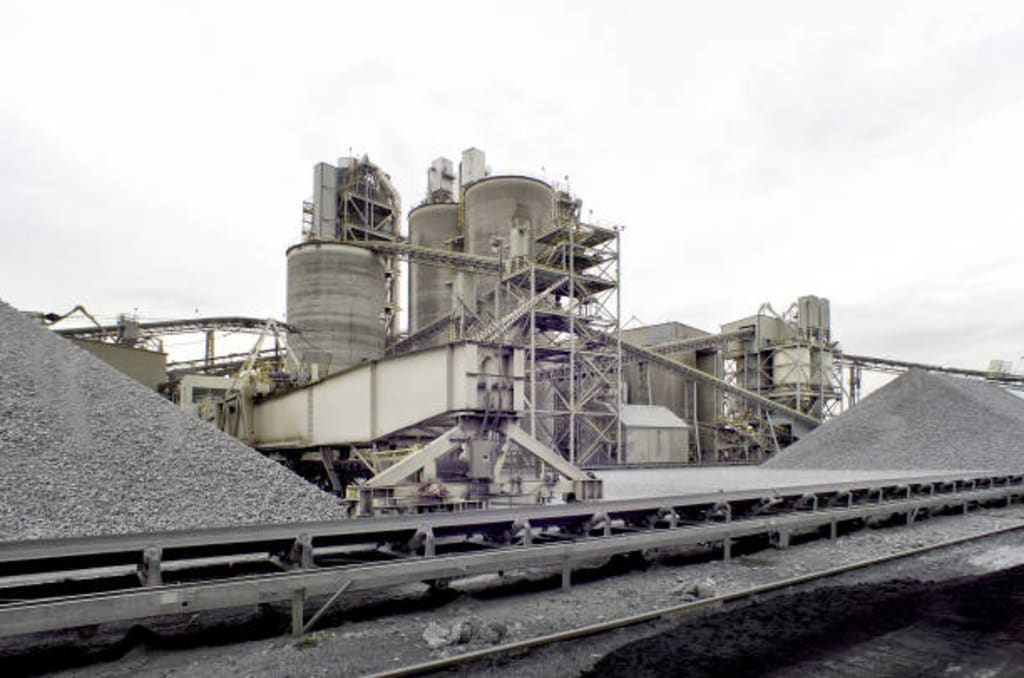
China Cement Industry Overview and Current Valuation
The China cement industry reached USD 69,247.5 million in 2025 and is projected to expand to USD 89,967.5 million by 2034 at a growth rate of 2.86%. This represents steady market expansion driven by large-scale infrastructure projects, rapid urbanization, and government-backed construction initiatives. The market's growth trajectory reflects China's continued commitment to urban development and economic modernization, positioning cement as a critical material across multiple sectors.
The base market assessment covers six primary regions within China (North, East, South Central, Southwest, Northwest, and Northeast), with significant demand variations based on geographic development patterns and industrial activity. Each region contributes distinctly to national cement consumption through diverse infrastructure, residential, and commercial applications.
Primary Market Drivers Fueling Demand
Urbanization and Residential Expansion
Urban development remains the strongest demand driver for cement in China. According to UN projections, China will experience 255 million additional urban dwellers by 2050, fundamentally reshaping residential construction requirements. Government initiatives targeting cost-effective housing projects have substantially elevated cement consumption across urban centers, directly supporting market growth.
Key residential demand factors include:
• Expansions and renovations in existing urban regions
• Government-backed affordable housing programs
• Rising urban population concentration in tier-1 and tier-2 cities
• Private residential real estate development by domestic and international developers
Infrastructure Development and Public Investment
Infrastructure represents a major market segment, significantly driven by heavy government investment in public utilities, transportation, and energy infrastructure. Large-scale projects demanding substantial cement volumes include:
• Airports and railway networks
• Bridge and highway construction
• Energy infrastructure, including renewable energy projects
• Water management and public utilities
China's Belt and Road Initiative continues to influence long-term infrastructure strategies, with domestic cement manufacturers benefiting from sustained demand for transportation networks and connectivity projects. These large-scale government investments guarantee steady, escalating cement demand within the infrastructure segment.
Commercial Sector Growth
Commercial real estate expansion directly correlates with economic strengthening and urbanization acceleration. Demand for cement in commercial applications includes:
• Hotel and hospitality complex construction
• Shopping centers and retail facilities
• Office buildings and business facilities
• Industrial parks and manufacturing hubs
Heavy investments in commercial infrastructure from both domestic and foreign enterprises maintain consistent cement demand. The sector's growth is further fostered by retail expansion and services proliferation, which spur ongoing cement consumption for commercial development.
Renewable Energy and Industrial Investments
Private and public sector investments in renewable energy ventures increasingly drive cement demand. Solar and wind infrastructure projects require substantial cement volumes for foundation construction, support structures, and facility development. This diversification of cement applications extends market growth beyond traditional construction segments.
Key Market Trends Reshaping the Industry
Digital Technology Integration and Smart Manufacturing
Chinese cement manufacturers are rapidly adopting digital technologies to improve production efficiency and reduce operational costs. Advanced technologies being integrated include:
• Automation systems and smart manufacturing techniques
• Artificial intelligence (AI) and robotic process automation
• Real-time monitoring and predictive maintenance systems
• Data analytics for supply chain optimization
According to recent research, these digital implementations can deliver 2% to 5% energy savings while reducing workforce requirements by 20%. Enhanced operational visibility through digital integration promotes more efficient resource utilization and lower production downtime, making digital transformation essential for maintaining competitive advantage in an increasingly consolidated market.
Green Cement Production and Sustainability Focus
Environmental policy compliance drives significant industry transformation toward green cement production. Major manufacturers are investing heavily in sustainable practices that align with China's environmental objectives and carbon reduction commitments. Key sustainability initiatives include:
• Utilization of alternative raw materials (recycled waste and industrial by-products)
• Adoption of fly ash, slag, and supplementary materials in blended cements
• Carbon emission reduction across production processes
• Nanoparticle enhanced cement formulations improving durability and performance
Blended cement incorporates Portland cement with supplementary materials such as silica, fly ash, and slag to improve sustainability and performance characteristics. These cement types offer enhanced durability, reduced heat of hydration, and lowered permeability compared to conventional options, making them ideal for large-scale infrastructure and marine applications. The shift toward green cement aligns with China's ultimate goals of sustainable development while maintaining profitability through operational efficiency.
Industry Consolidation and Market Restructuring
Mergers and consolidation significantly steer China's cement market, driven by demand for cost improvements and elevated market control. Key consolidation dynamics include:
• Major firms actively acquiring smaller companies to fortify market presence
• Operational efficiency upgrades through integration
• Reduced industry overcapacity through strategic consolidation
• Enhanced product portfolio and market reach
China's cement industry witnessed a significant 5% downfall in cement demand, reflecting critical overcapacity challenges. Industry consolidation directly addresses this issue by allowing companies to better manage product levels and pricing while investing in sustainable practices and advanced technologies. These consolidation strategies steer the industry toward a more competitive and streamlined environment capable of addressing both domestic and international demands.
China Cement Industry Structure and Leading Competitors
The competitive landscape is dominated by state-owned large firms alongside numerous private key companies, creating rigorous competition. These major players benefit from comprehensive distribution networks and scale-driven cost advantages.
Huaxin Cement, a prominent China-based cement manufacturer, exemplifies industry growth trajectories. The company's market share expanded from 13% in 2022 to 16% in 2023, reflecting successful expansion and consolidation strategies. This growth outpaced broader market dynamics, positioning Huaxin as a key consolidator within the sector.
Smaller companies face ongoing pressures from stringent environmental policies and consolidation trends, with many being acquired by larger firms seeking to extend geographic reach and upgrade operational capabilities. This dynamic creates a bifurcated market structure with dominant incumbents and a declining pool of independent mid-sized operators.
Recent Strategic Developments
Kuwait Portland Cement signed a 4-year supply contract with Gezhouba Group, a China-based construction and engineering company, in January 2024. The contract, valued at USD 117 million, demonstrates sustained international participation in China's cement supply chain for large infrastructure projects.
Huaxin Cement completed the acquisition of InterCement, a Brazil-based cement manufacturer, in December 2023, including transfer of InterCement's South African business. This transaction reflects Chinese cement companies' international expansion strategies and consolidation reach beyond domestic markets.
China Cement Industry Segmentation Analysis
Cement Type Breakdown
Portland Cement remains the most utilized cement type in China, primarily due to its robust strength and versatility across applications. Composed of gypsum and clinker, Portland cement is preferred for applications demanding quick setting and resilient, durable structures. Its critical role in fostering China's urbanization and infrastructure development ensures sustained demand across residential, commercial, and infrastructure segments.
Blended Cement combines Portland cement with supplementary materials, offering enhanced sustainability and performance characteristics. The incorporation of nanoparticles improves slag and cement hydration, positioning blended cements as ideal options for large-scale infrastructure ventures and marine applications. This type's alignment with environmental strategies strengthens its market position as manufacturers prioritize carbon emission reduction.
Other Cement Types capture specialty applications and niche segments, contributing to market diversification and specialized construction requirements.
End-Use Segment Analysis
Residential Construction represents a critical demand segment driven by China's accelerating housing demand. Government initiatives for cost-effective housing projects substantially elevate cement consumption, directly supporting market growth. Residential segment importance is reinforced by policies targeting urban living standard improvements and housing availability expansion.
Commercial Real Estate demand grows alongside economic expansion and urbanization acceleration. Hotels, shopping centers, office buildings, and business facilities require significant cement supplies. The sector benefits from domestic and international enterprise investments, maintaining steady cement demand for commercial development.
Infrastructure Projects significantly drive cement demand through government investment in airports, railways, bridges, highways, and energy infrastructure. These large-scale projects guarantee sustained and escalating demand within the infrastructure segment, supported by long-term economic strategies including the Belt and Road Initiative.
Regional Market Dynamics
Eastern and Central China Leadership
East China, encompassing economically advanced provinces including Jiangsu, Zhejiang, and Shanghai, plays a crucial role in national cement consumption. The region's high population density, rapid urban expansion, and extensive industrial activity drive substantial demand for cement across residential, commercial, and infrastructure segments.
South Central China, including populous areas such as Hunan and Hubei, represents a dynamic market segment with diverse economic activities (agriculture, manufacturing, mining) contributing to steady cement demand. Infrastructure projects enhancing connectivity and supporting rural-urban integration further bolster cement consumption.
Western and Northern Regions
Southwest China, characterized by significant infrastructure development in Sichuan and Chongqing, requires substantial cement usage for constructing roads, tunnels, and bridges. The region's mountainous terrain necessitates intensive infrastructure investment, driving local market demand and supporting manufacturer growth.
North China, including Beijing and Tianjin, demonstrates robust infrastructure development and urbanization initiatives. Large-scale residential complex construction and commercial development projects, combined with government road and railway expansion investments, maintain sustained cement consumption.
Northwest and Northeast China contribute distinct market dynamics. Northwest China's infrastructure investments in energy projects and transportation networks drive cement demand despite lower population density. Northeast China faces unique economic restructuring challenges but continues infrastructure revitalization efforts to support industrial modernization and living condition improvements.
Strategic Outlook and Market Positioning
China's cement market demonstrates resilience through diversified demand drivers spanning urbanization, infrastructure development, commercial expansion, and renewable energy investment. The industry's shift toward green production, digital transformation, and strategic consolidation positions the sector for sustainable, profitable growth despite near-term overcapacity challenges.
Manufacturers positioned to leverage automation, sustainability innovations, and strategic consolidation opportunities will capture disproportionate market share gains. Government support for infrastructure development, urbanization, and environmental objectives continues providing structural demand support through 2034 and beyond.
The market's evolution from traditional overcapacity toward a more consolidated, technology-enabled, sustainable industry reflects broader economic and policy transformation within China. Strategic investments in green technologies, digital integration, and market consolidation represent critical success factors for manufacturers targeting sustained growth within an increasingly competitive landscape.
About the Creator
Joey Moore
I'm Joey Moore, a seasoned Research Analyst with 5+ years of experience in market research. Expert in data analysis, strategic planning, and industry insights. Proven track record in delivering actionable reports.
Enjoyed the story? Support the Creator.
Subscribe for free to receive all their stories in your feed.
Comments
There are no comments for this story
Be the first to respond and start the conversation.