
US-Vietnam Trade Tensions Persist Despite Midterm Shifts: Tariffs and Transshipment Probes Loom Over Record Surplus
Business leaders warn that core US trade policy regarding trade deficits and Chinese transshipment will remain unchanged, even as Vietnam overtakes China to become America’s largest goods trade surplus partner.

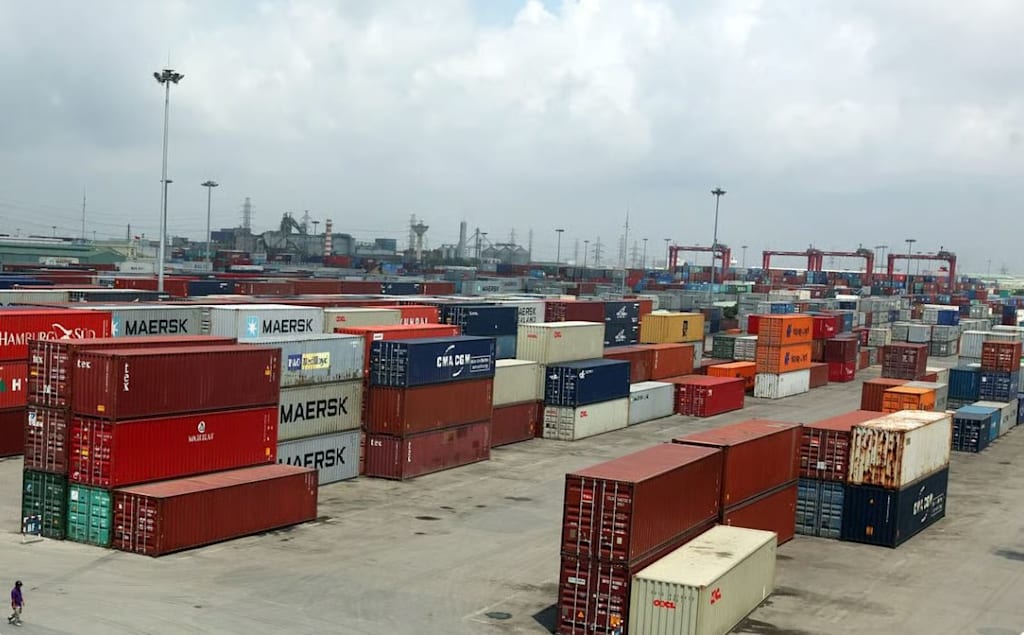
HANOI Businesses operating in Vietnam are bracing for continued friction in US-Vietnam trade relations, expecting no immediate relief from Washington’s aggressive stance despite the recent midterm elections that weakened President Donald Trump’s political capital. As negotiations for a comprehensive trade deal drag on, Vietnam finds itself at the center of a growing storm, having recently overtaken both China and Mexico to become the country with the largest goods trade surplus with the United States.
The backdrop to these tensions is a series of punitive measures already enacted by the Trump administration. In July, the White House imposed a general 12.5% tariff on Vietnamese goods, citing alleged failures by Hanoi to prevent the import of products made with forced labor. This move partly replaced earlier 20% duties that had been struck down by the Supreme Court, signaling a persistent intent to penalize what Washington perceives as unfair trade practices. Compounding this pressure are two additional probes that could result in further duties as early as this month, driven by repeated accusations from White House officials that Vietnam serves as a primary transshipment hub for Chinese exports seeking to bypass US tariffs.
Political Realities vs. Business Expectations
Despite the Democratic Party’s gains in the recent midterm elections, which some had hoped might lead to a softening of protectionist policies, business leaders in Vietnam remain skeptical of any near-term change. The consensus among foreign investors is that the structural drivers of US trade policy, specifically the management of trade deficits and the crackdown on Chinese transshipment, are deeply entrenched and unlikely to shift regardless of congressional composition.
“The core foundations of the US trade policy toward Vietnam, namely managing trade deficits and cracking down on transshipment from China, will likely remain unchanged,” said Sun Hong, honorary chairman of the South Korean Chamber of Business in Vietnam. The chamber represents major Korean corporations, including Samsung, which stands as the largest foreign investor in Vietnam and a top exporter to the US market. Sun noted that while Congress might place greater emphasis on labor and environmental standards in future trade priorities, the executive branch retains dominant control over foreign and trade policy.
This sentiment was echoed by Bruno Jaspaert, head of DEEP C Industrial Zones, a network of industrial parks in northern Vietnam hosting numerous export-oriented factories operated by multinational companies. “Foreign and trade policy are largely dictated by the president and not by the Congress, so the problems of today will remain the problems of tomorrow until further notice,” Jaspaert stated. His comments underscore the limited influence of legislative shifts on the immediate trajectory of bilateral trade enforcement.
Record Surplus Fuels Scrutiny
The intensity of US scrutiny is directly linked to Vietnam’s rapidly growing trade surplus with the US. According to US trade data released on Wednesday, Vietnam’s goods trade surplus reached a record nearly US$190 billion in the first nine months of the year, a 47% increase from the same period last year. This surge has propelled Vietnam past China, whose surplus fell to roughly US$130 billion from nearly US$163 billion, and Mexico, making Hanoi the largest holder of a goods trade surplus with the United States.
The surplus is driven by a diverse range of exports, including electronic goods, apparel, footwear, and wood products. However, this economic success has become a double-edged sword, attracting heightened attention from US regulators concerned about trade imbalances and the origin of goods. The perception that Chinese manufacturers are rerouting products through Vietnam to avoid tariffs has become a central narrative in Washington, complicating ongoing negotiations.
Hanoi’s Response and Ongoing Negotiations
In response to US pressures, Vietnam has taken steps to address Washington’s concerns. A spokesperson for Vietnam’s Foreign Ministry confirmed that trade talks continue, highlighting Hanoi’s efforts to launch campaigns against illegal transshipment and other violations flagged by the US. Additionally, Vietnam has strengthened its regulatory framework to prevent the import of goods produced using forced labor, aiming to align more closely with international standards and US expectations.
Despite these efforts, negotiations for a broader trade deal that could resolve tariff uncertainties have stalled for more than a year. The growing trade deficit remains a significant sticking point, with US negotiators demanding concrete assurances that Vietnam is not facilitating Chinese circumvention of US trade laws.
Uncertainty Remains
While some business representatives suggested that pressure on Vietnam might become less acute if Congress opposes certain executive measures, the prevailing view is one of caution. “The President still has a lot of tools,” said one representative of foreign businesses in Vietnam, who spoke on condition of anonymity to discuss sensitive political dynamics. This refers to the executive authority to impose tariffs, initiate investigations, and enforce labor standards without congressional approval.
For multinational companies operating in Vietnam, the uncertainty persists. While the country remains an attractive destination for manufacturing diversification away from China, the risk of additional tariffs and regulatory hurdles continues to cast a shadow over long-term investment plans. As both nations seek to seal a trade deal, the path forward appears fraught with diplomatic and economic challenges, with no immediate resolution in sight.
About the Creator
Mark Lim
Hi I am mark an automotive student and a car, tech and food enthusiast ! Im gonna try and post daily & hope you enjoy what I write and do share my page with people you know. I would gladly appreciate it! Cheers
Enjoyed the story? Support the Creator.
Subscribe for free to receive all their stories in your feed. You could also give them a one-off tip, letting them know you appreciate their work.
Comments
There are no comments for this story
Be the first to respond and start the conversation.