
US Smart Air Purifier Market Signals a Cleaner Indoor Future
United States Smart Air Purifier accelerates as connected living transforms household wellness habits
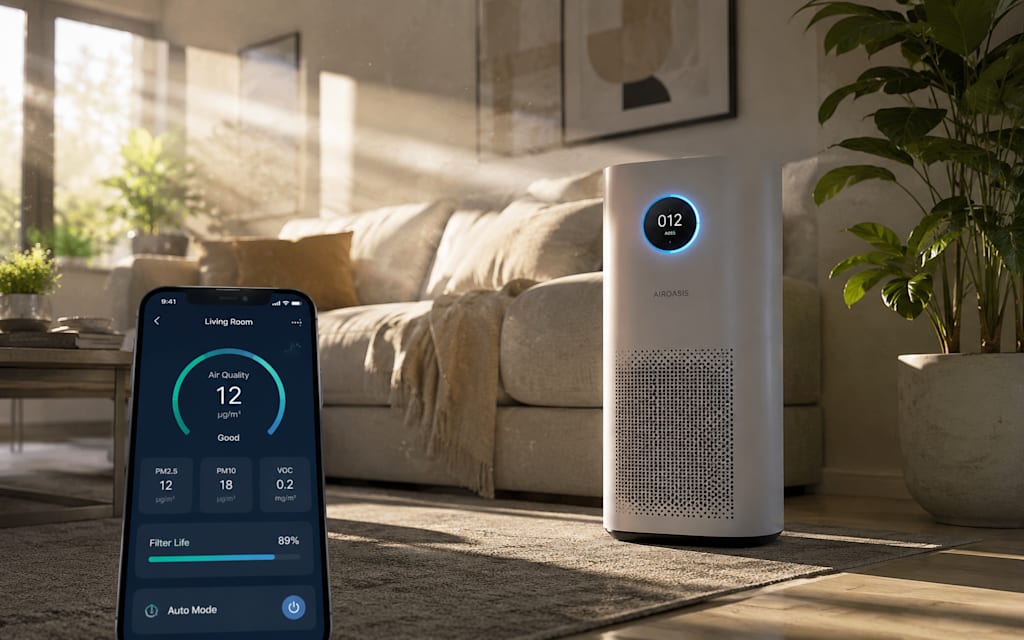
The soft hum from the corner of the apartment was barely noticeable. Yet within weeks, Emma realized something had changed. Her morning headaches faded. Her son’s nighttime coughing slowed. Even the stale city smell that drifted through their windows seemed less aggressive. What began as a small purchase during allergy season quietly became part of their daily survival routine.
Across the country, millions of Americans are making the same shift. Indoor air quality is no longer an invisible concern tucked behind doctor visits or seasonal discomfort. It has become part of modern home culture, driven by rising awareness about pollution, wildfire smoke, pet dander, urban living, and smarter connected homes.
The US Smart Air Purifier Market is becoming one of the most closely watched segments in home wellness technology. According to Mordor Intelligence, the market is estimated at USD 0.84 billion in 2026, growing from USD 0.73 billion in 2025, with projections reaching USD 1.68 billion by 2031 at a CAGR of 14.92% during 2026-2031.
Connected Homes Are Changing Everyday Air Habits
Smart living used to revolve around entertainment and convenience. Voice assistants controlled lights. Doorbells streamed security footage. Thermostats learned sleeping patterns. Now air quality is entering the same connected ecosystem.
Consumers increasingly want devices that do more than filter dust. They want intelligent monitoring, app connectivity, automatic adjustment features, and real-time pollution alerts. This behavioral shift is helping redefine the role of clean air inside American homes.
The growing demand reflects a larger transformation inside the US Smart Air Purifier Industry. Buyers are becoming more educated about microscopic pollutants that traditional cleaning cannot eliminate. Urban residents facing traffic pollution and suburban families dealing with wildfire smoke are both turning toward smart purification systems as part of preventive wellness lifestyles.
The emotional appeal is equally powerful. Parents want safer bedrooms for children. Remote workers want cleaner office environments during long indoor workdays. Pet owners want fresher shared spaces without overpowering chemical sprays. Smart air purifiers fit naturally into all these personal narratives.
Social conversations have also accelerated awareness. Videos demonstrating indoor pollution spikes after cooking, cleaning, or opening windows routinely gain millions of views online. As audiences consume more wellness-focused content, curiosity about cleaner indoor environments continues to rise.
For many households, the purchase is no longer viewed as luxury technology. It feels increasingly essential.
Wellness-Focused Consumers Drive Smarter Purchasing Decisions
The modern consumer rarely buys technology impulsively anymore. People compare reviews, monitor long-term value, and prioritize products that integrate smoothly into daily routines. This evolving mindset is helping shape the United States Smart Air Purifier Market Growth trajectory.
Health-conscious buyers are especially influencing purchasing patterns. Indoor wellness conversations now extend beyond fitness trackers and organic food. Clean breathing environments are becoming part of broader self-care habits tied to mental clarity, better sleep, and productivity.
Another factor quietly strengthening momentum is hybrid work culture. Americans spend more time indoors than ever before, particularly those balancing remote schedules. Living rooms became offices. Bedrooms became workspaces. Air quality suddenly became impossible to ignore during eight-hour indoor workdays.
This shift is also impacting the US Smart Air Purifier Market Share among brands competing through technology differentiation instead of simple filtration claims. Consumers increasingly favor systems that provide transparency through digital monitoring dashboards and personalized automation settings.
At the same time, environmental anxiety continues influencing consumer behavior. Wildfire seasons across several regions have made air pollution feel immediate and visible rather than abstract. Viral images of orange skies and smoke-covered neighborhoods have changed public perception around indoor protection measures.
Retailers and e-commerce platforms are responding accordingly. Smart air purifier visibility has expanded dramatically through online recommendations, home improvement content, and wellness influencer discussions. The category now sits comfortably beside smart thermostats, security systems, and connected kitchen devices within modern smart-home conversations.
The emotional driver remains simple: people want control over the spaces where they spend most of their lives.
Smart Air Technology Moves Beyond Trend Status
Trends often fade once curiosity disappears. The current evolution surrounding air purification appears different. The market is increasingly supported by long-term behavioural changes rather than temporary spikes in attention.
Consumers are building homes around comfort, personalization, and healthier environments. Smart air systems align naturally with those priorities because they combine invisible protection with visible convenience. The technology quietly integrates into daily life while continuously reinforcing its value.
The expanding US Smart Air Purifier Market Size reflects more than device adoption. It represents a broader cultural transition toward preventive living and indoor wellness awareness.
Manufacturers are expected to continue focusing on quieter operation, energy efficiency, predictive monitoring, and deeper smart-home integration. As connected ecosystems become more sophisticated, air purification may eventually become a standard household expectation rather than an optional upgrade.
For now, the momentum continues building room by room, apartment by apartment, family by family.
And for millions of Americans breathing a little easier every night, that quiet machine in the corner represents something bigger than technology. It represents peace of mind.
Do you believe smart air purifiers will eventually become as common in homes as smart TVs and thermostats?
About the Creator
Enjoyed the story? Support the Creator.
Subscribe for free to receive all their stories in your feed.
Comments
There are no comments for this story
Be the first to respond and start the conversation.