
US Hospitality Market Faces a Bold New Era
Travelers, hotels, and digital experiences reshape the future of American hospitality
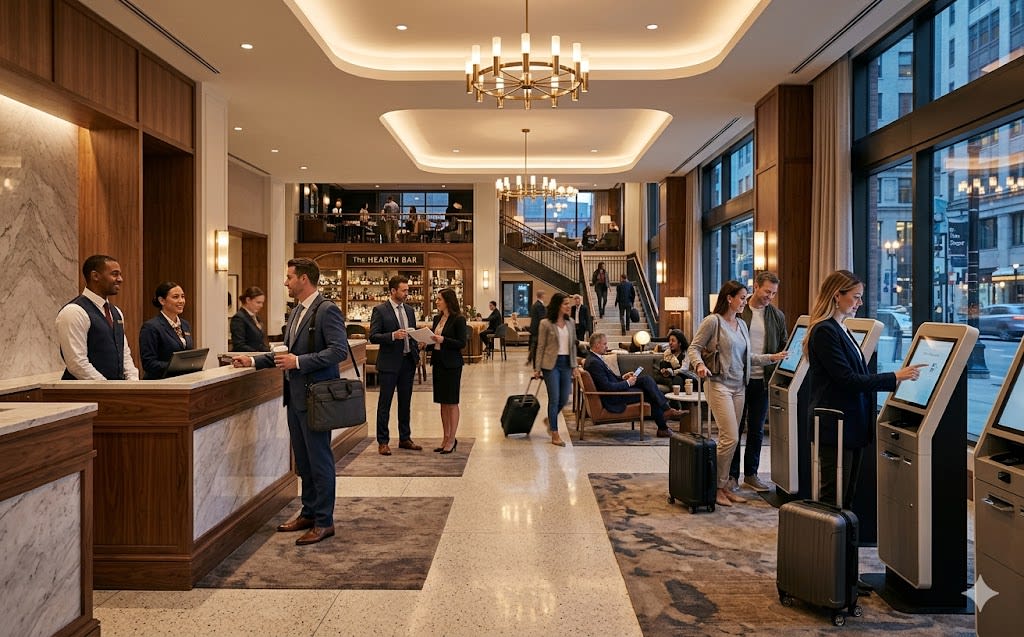
The hotel lobby used to symbolize escape. Soft piano music drifted through polished hallways while travelers rolled heavy suitcases toward weekend memories, business meetings, or long-awaited reunions. Today, the atmosphere feels different. Faster. Smarter. More emotionally charged.
Across the United States, hospitality is transforming into something far beyond check-ins and room service. Travelers now expect seamless digital convenience, personalized experiences, and spaces that feel meaningful instead of transactional. In cities, roadside towns, and coastal destinations alike, the industry is rebuilding itself around changing human behavior.
According to Mordor Intelligence, United States hospitality market stands at USD 247.81 billion in 2026 and is projected to reach USD 305.53 billion by 2031, expanding at a 4.28% CAGR.
United States Hospitality Reinvents the Guest Experience
The modern traveler no longer judges a hotel solely by thread counts or lobby decor. Experience has become the new currency. This evolution is redefining the hospitality industry in the USA as hotels race to create emotional connections instead of standard transactions. Guests increasingly seek personalized stays, wellness-focused amenities, flexible workspaces, and technology that removes friction from travel.
A young couple arriving in Nashville may bypass the front desk entirely through mobile check-in. A remote worker in Chicago might choose a hotel based on workspace comfort instead of tourist proximity. Families planning vacations now compare digital reviews and social media experiences before making reservations.
The emotional expectations surrounding travel have changed dramatically. Travelers want authenticity, comfort, and convenience packaged into one seamless journey.
Hospitality brands are responding through upgraded digital systems, AI-powered customer service, and highly curated guest experiences designed for modern attention spans. Hotels are also investing heavily in sustainability initiatives, recognizing that younger travelers increasingly value environmentally responsible accommodations.
Industry analysts studying the US hotel industry statistics continue to track rising demand for experiential stays that blend entertainment, comfort, and local culture into a single destination.
United States Hospitality Adapts to a Digital Travel Economy
The smartphone has quietly become the most important travel companion in America.
Reservations, restaurant bookings, room access, concierge services, and customer reviews now live inside mobile ecosystems that influence every stage of the guest experience. This digital transformation is becoming a defining force within the US hospitality industry report landscape.
Hotels are increasingly using technology to predict customer behavior before guests even arrive. Automated messaging systems recommend local experiences, while AI-driven platforms customize promotions based on previous stays and traveler preferences.
The rise of blended travel is also reshaping demand patterns. Millions of Americans now combine business and leisure travel into extended stays that allow remote work alongside personal exploration. Hotels have adapted by redesigning rooms with ergonomic workspaces, stronger Wi-Fi infrastructure, and flexible booking models.
Meanwhile, boutique hotels and lifestyle-focused properties continue attracting younger travelers searching for Instagram-worthy aesthetics and immersive local experiences. Social influence now impacts booking decisions more than traditional advertising in many demographics.
Experts monitoring the US hospitality industry growth believe this demand for personalized travel experiences will continue shaping investment strategies across hotels, resorts, restaurants, and entertainment-driven hospitality sectors.
United States Hospitality Shapes a New American Travel Culture
For decades, hospitality revolved around consistency. Today, it revolves around adaptability.
Economic uncertainty, changing work patterns, and evolving consumer behavior are forcing hospitality brands to rethink nearly every aspect of service delivery. Travelers expect flexibility in booking policies, faster communication, and more customized interactions throughout their journeys.
Luxury properties are investing in wellness tourism and exclusive experiences. Mid-range hotels are focusing on affordability without sacrificing digital convenience. Independent boutique operators are emphasizing community connection and locally inspired storytelling.
At the same time, labor shortages continue pushing automation deeper into the industry. Self-service kiosks, robotic delivery systems, and AI-assisted customer support are becoming increasingly common in major hospitality markets.
Yet even as technology expands, the human side of hospitality remains essential.
A warm greeting after a delayed flight. A staff member remembering a guest’s preference. A personalized recommendation that transforms a vacation into a lasting memory. These moments still define hospitality at its core.
That emotional layer may ultimately determine which brands thrive in the next era of American travel.
Because while digital systems can improve efficiency, travelers still remember the places that made them feel understood.
And as the industry continues evolving, one reality becomes impossible to ignore:
The future of hospitality in the United States will belong to the brands capable of combining technology with genuine human connection.
About the Creator
Enjoyed the story? Support the Creator.
Subscribe for free to receive all their stories in your feed.
Comments
There are no comments for this story
Be the first to respond and start the conversation.