
US Embassy Suspends Visa Services in Abuja: What Happened, Why It Matters, and What It Means for Nigerians
What Happened, Why It Matters, and What It Means for Nigerians

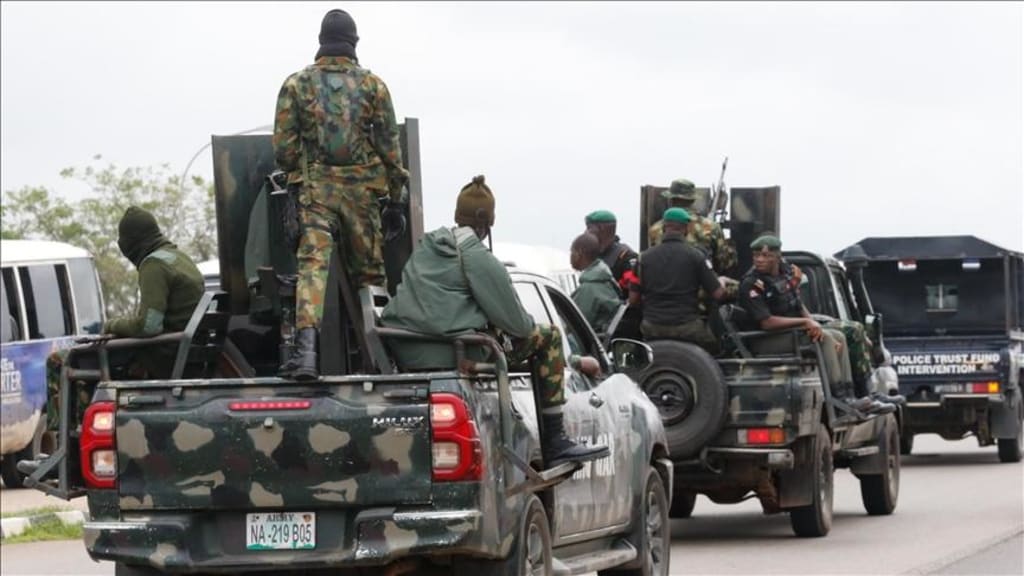
The United States government has taken a major step that is already sending shockwaves across Nigeria. The decision to suspend visa services at the U.S. Embassy in Abuja, alongside ordering non-emergency staff to leave, has raised serious concerns about security, diplomacy, and the future of travel between both countries.
But beyond the headlines, this story reveals something deeper—about perception, security realities, and global confidence.
Let’s break it down.
What Exactly Happened?
According to official communication, the United States Embassy in Abuja announced the suspension of all visa appointments in Nigeria’s capital due to security concerns.
Key actions taken include:
- Cancellation of all visa interviews in Abuja
- Evacuation of non-emergency U.S. staff and their families
- Updated travel advisory warning U.S. citizens
This was not a routine update.
It was a serious security signal.
Why Did the U.S. Take This Decision?
The U.S. government cited worsening security conditions across Nigeria.
According to the advisory, concerns include:
- terrorism threats
- kidnapping for ransom
- violent crime
- civil unrest
More than 20 states were labeled as “Do Not Travel” zones, highlighting the scale of concern.
What This Mean
When a country like the United States issues such a directive, it is based on:
- intelligence reports
- risk assessments
- protection of its citizens and personnel
Story Insight:
Think of this like a global alarm system. When one of the world’s most powerful countries pulls back its staff, it sends a message to other nations, investors, and travelers.
The Immediate Impact on Nigerians
The suspension of visa services is already affecting thousands of people.
Who Is Affected?
- Students planning to study abroad
- Business professionals with scheduled trips
- Families awaiting visa approvals
- Medical travelers
For many, this decision means:
- delayed plans
- financial losses
- uncertainty about timelines
Nigeria’s Response: “The Situation Is Stable”
The Nigerian government has pushed back against the U.S. narrative.
Officials insist that:
- security remains under control in most parts of the country
- daily life and economic activities are functioning normally
- the advisory does not reflect the full reality
They described the U.S. action as a precautionary measure, not a reflection of nationwide collapse.
The Bigger Issue: Perception vs Reality
This situation highlights a critical challenge Nigeria faces:
The gap between internal stability and global perception.
Why Perception Matters
Even if:
- some regions are stable
- businesses are operating
- people are going about daily life
International perception can still:
- affect travel decisions
- influence foreign investment
- shape diplomatic relations
The Security Context: What’s Happening Across Nigeria?
Nigeria is dealing with multiple security challenges across different regions:
Northeast
- insurgency and terrorist activity
- Northwest & North-Central
- banditry and kidnapping
Middle Belt
- farmer-herder conflicts
Southeast
- separatist-related violence
South-South
- oil theft and maritime crime
Southwest
- rising kidnapping and urban crime
These overlapping issues create a complex security landscape.
Why the U.S. Is Concerned
The U.S. advisory specifically mentioned:
- targeting of foreigners for kidnapping
- attacks in public places like malls, hotels, and worship centers
- limited emergency and healthcare infrastructure
Healthcare Warning
The advisory also raised concerns about:
- limited access to quality medical care
- unreliable emergency services
- counterfeit medications
This adds another layer of risk for travelers.
Economic and Diplomatic Implications
This decision goes beyond visas.
It could impact:
- international business confidence
- tourism
- diplomatic relations
- Nigeria’s global image
Real-Life Reflection:
When embassies reduce operations, investors often pause. Not because everything is unsafe—but because uncertainty increases risk.
What Happens Next?
At this stage:
- Visa services remain suspended in Abuja
- No clear timeline for resumption has been announced
- Security assessments are ongoing
Travelers may need to:
- explore alternative embassy locations (e.g., Lagos if available)
- reschedule appointments
- monitor official updates
Lessons from This Situation
This development offers important insights:
1. Security Is Both Local and Global
What happens in one region can affect international perception of an entire country.
2. Communication Matters
How governments explain situations can shape public reaction.
3. Preparedness Is Key
Countries must not only improve security—but also build confidence in their systems.
Final Thoughts: A Moment of Reflection
The suspension of U.S. visa services in Abuja is more than a temporary disruption.
It’s a signal.
A signal about:
- security concerns
- global perception
- and the urgent need for lasting solutions
While Nigeria insists that stability remains, the international community is watching closely.
Because in today’s world, confidence is just as important as reality.
And rebuilding that confidence may be the biggest challenge of all.
About the Creator
Omasanjuwa Ogharandukun
I'm a passionate writer & blogger crafting inspiring stories from everyday life. Through vivid words and thoughtful insights, I spark conversations and ignite change—one post at a time.
Enjoyed the story? Support the Creator.
Subscribe for free to receive all their stories in your feed.
Comments
There are no comments for this story
Be the first to respond and start the conversation.