
Unveiling the Secrets: How to Safely and Effectively Draw Pus Out of a Tooth Abscess
Tooth abscesses are severe dental conditions that require prompt medical attention to prevent the spread of infection and potentially life-threatening complications

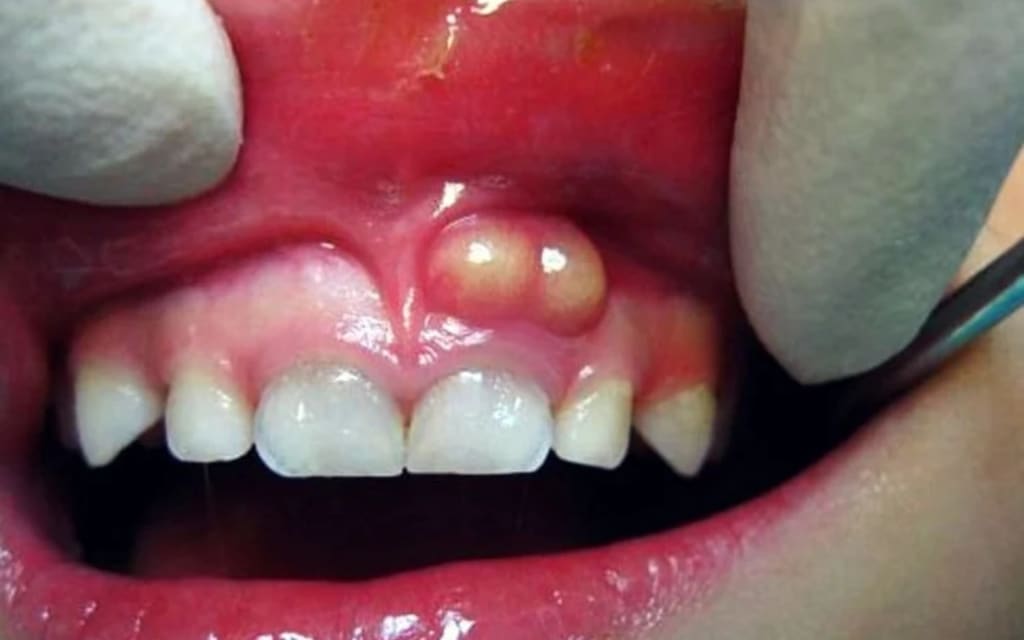
Understanding Tooth Abscesses and Their Causes
A tooth abscess is a severe dental condition that occurs when a pocket of pus forms inside the tooth or the gums. This can happen for various reasons, such as untreated tooth decay, a cracked or chipped tooth, or a previous dental procedure. When bacteria enter the inner layers of the tooth or the gums, they can cause an infection that leads to a painful abscess.
The abscess can grow in size and, if left untreated, can spread to other parts of the body, potentially causing life-threatening complications. Addressing a tooth abscess promptly is essential to prevent further complications and ensure overall health and well-being.
Signs and Symptoms of a Tooth Abscess
Recognizing the signs and symptoms of a tooth abscess is crucial for seeking timely medical attention. Some of the most common indicators of a tooth abscess include:
- Intense, throbbing pain radiating from the affected tooth or gum, making it hard to focus on anything else.
- Noticeable swelling in the face, cheek, or gums, often around the troubled tooth
- A small, pimple-like bump appears on the gum near the tooth, possibly signalling an infection.
- Heightened sensitivity to hot or cold drinks or foods, sending sharp discomfort through the tooth.
- Difficulty chewing or biting, as the tooth feels unusually tender and painful.
- Persistent bad breath or an unpleasant, metallic taste lingering in your mouth.
- Fever or general malaise
Should you experience any of these symptoms, seeking immediate dental care is imperative. This swift action can prevent the abscess from worsening and spreading, ensuring your health and well-being.
The Importance of Seeking Dental Care for a Tooth Abscess
Ignoring a tooth abscess can have severe consequences for your health. Without proper treatment, the infection can spread to other areas of the body, leading to more severe complications, such as sepsis, endocarditis, osteomyelitis, and brain abscess. These conditions can be life-threatening and may require extensive medical intervention. This underscores the importance of seeking professional dental care when you suspect a tooth abscess.
- Sepsis: A potentially life-threatening condition caused by the body's overwhelming response to an infection, which can lead to organ failure and even death.
- Endocarditis: An infection of the heart's inner lining (endocardium), which can damage or destroy the heart valves.
- Osteomyelitis: A bone infection that can cause permanent damage to the affected bone.
- Brain abscess: A rare but severe complication where the infection spreads to the brain, potentially causing neurological problems or even death.
To avoid these potentially devastating outcomes, it's crucial to seek professional dental care as soon as you suspect a tooth abscess. Your dentist will be able to properly diagnose the condition and provide the necessary treatment to address the underlying infection and prevent further complications.
How to Find a Reliable and Skilled Dentist Near You
Choosing the right dentist is essential when dealing with a tooth abscess. You want to find a dental professional who is experienced, skilled, and committed to providing high-quality care. Top tips for finding the perfect dentist near me:
- Ask for Recommendations: Talk to friends, family members, or your primary care physician and ask for recommendations from dentists they trust and have had positive experiences with.
- Check Online Reviews: Research dentists in your area and read online reviews from their past patients. This helps you gauge the dentist's approach to patient care, the standard of their work, and the overall experience they provide.
- Consider Credentials and Specialties: Look for board-certified dentists with additional training in treating tooth abscesses and other complex dental issues.
- Schedule a Consultation: Once you've identified a few promising dentists, schedule a consultation to meet with them in person. This will give you a chance to assess their communication style, ask questions, and determine if they are the right fit for your needs.
Remember, time is of the essence when it comes to tooth abscesses. Feel free to seek a skilled and reliable dentist who can provide the necessary treatment to address the infection and prevent further complications.
The Role of a Dentist in Treating a Tooth Abscess
Visiting a dentist for a tooth abscess ensures a comprehensive examination to evaluate the infection's severity and identify the most effective treatment plan. This may involve: When you visit a dentist for a tooth abscess, they will first perform a thorough examination to assess the extent of the infection and determine the best course of treatment. This may involve:
- Diagnostic Tests: Your dentist may order X-rays or other imaging tests to visualize better the affected tooth and the surrounding bone and tissue.
- Identifying the Cause: The dentist will work to identify the underlying cause of the abscess, such as a deep cavity, a cracked tooth, or a previous dental procedure that went wrong.
- Antibiotic Prescription: In many cases, your dentist will prescribe antibiotics to help fight the infection and reduce the risk of it spreading to other body parts.
- Draining the Abscess: One of the primary goals of treating a tooth abscess is to drain the pocket of the pus and relieve the pressure and pain. This can be done through various procedures, such as incision and drainage or root canal treatment.
- Tooth Extraction: In some cases, the affected tooth may be too severely damaged or the infection too advanced to save. In these instances, the dentist may recommend extracting the tooth to prevent the spread of the disease.
- Follow-up Care: After the initial treatment, your dentist will likely schedule follow-up appointments to monitor the healing process and ensure the infection has been fully resolved.
Following your dentist's instructions and completing any prescribed antibiotic treatment is crucial. This is key to ensuring the successful resolution of the tooth abscess and preventing the infection from recurring.
Procedures and Techniques Used to Draw Pus Out of a Tooth Abscess
There are several procedures and techniques that dentists may use to draw the pus out of a tooth abscess and relieve the pressure and pain. Discover the Most Popular Solutions:
- Incision and Drainage: This is a relatively simple procedure where the dentist makes a small incision in the gum to allow the pus to drain out. They may also use a small instrument to help drain the abscess.
- Root Canal Treatment: In some cases, the dentist may perform a root canal to remove the infected pulp (the soft inner layer of the tooth) and drain the abscess. This can help save the tooth and prevent the spread of the infection.
- Tooth Extraction: If the tooth is too severely damaged or the infection is too advanced, the dentist may recommend extracting the tooth to remove the source of the infection.
- Antibiotics: Besides the drainage procedure, the dentist will likely prescribe antibiotics to help fight the infection and prevent it from spreading.
Regardless of the specific technique, the goal is to safely and effectively drain the pus from the abscess, relieve the pressure and pain, and prevent the infection from spreading to other body parts.
Precautions and Safety Measures to Consider During the Process
When dealing with a tooth abscess, it's crucial to take certain precautions and safety measures to ensure the successful and safe resolution of the infection. Here are some key considerations:
- Proper Sterilization: The dentist and their staff must follow strict sterilization protocols to minimize the risk of cross-contamination and the spread of the infection.
- Pain Management: The dentist will likely use local anaesthesia to numb the affected area and ensure the drainage procedure is as painless as possible.
- Antibiotic Therapy: As mentioned, the dentist will prescribe antibiotics to help fight and prevent the infection from spreading.
- Monitoring for Complications: The dentist will closely monitor the patient for any signs of complications, such as continued swelling, fever, or the spread of the infection.
- Follow-up Care: Regular follow-up appointments are crucial to ensure the infection has been fully resolved and the patient's oral health is restored.
By taking these precautions and safety measures, the dentist can help ensure a tooth abscess's safe and effective treatment, minimizing the risk of complications and promoting a speedy recovery.
Home Remedies and Natural Treatments for Tooth Abscesses
While seeking professional dental care is the most effective way to treat tooth abscesses, some home remedies and natural treatments can provide temporary relief and support healing. Here are a few options to consider:
- Salt Water Rinses: Rinsing your mouth with warm salt water can help reduce swelling and pain and promote healing.
- Cold Compresses: Applying a cold compress to the outside of your cheek can help reduce swelling and alleviate pain.
- Over-the-counter Pain Medications: Over-the-counter pain relievers, such as ibuprofen or acetaminophen, can help manage the pain and discomfort.
- Garlic: Applying a crushed garlic clove directly to the affected area may have antibacterial properties to help fight the infection.
- Turmeric: The anti-inflammatory and antimicrobial properties of turmeric may help reduce swelling and promote healing.
It's important to note that these home remedies and natural treatments should not be used as a substitute for professional dental care. They can provide temporary relief but cannot effectively treat the underlying infection or prevent the abscess spread. If you have a tooth abscess, seeking prompt medical attention from a qualified dentist is crucial.
Preventive Measures to Avoid Tooth Abscesses in the Future
While tooth abscesses can sometimes be unavoidable, there are several preventive measures you can take to reduce your risk and maintain good oral health:
- Practice Proper Oral Hygiene: Brush your teeth twice a day, floss daily, and use an antiseptic mouthwash to help remove plaque and prevent the buildup of harmful bacteria.
- Eat a Healthy Diet: Consuming a balanced diet rich in fruits, vegetables, and other nutrient-dense foods can help strengthen your immune system and support your oral health.
- Quit Smoking: Smoking is a significant risk factor for a variety of dental problems, including tooth abscesses. Kicking the smoking habit can transform your oral health and boost your overall well-being.
- Schedule Regular Dental Checkups: Visiting your dentist for routine cleanings and checkups can help detect and address any dental issues, such as cavities or gum disease, before they develop into more severe problems, like tooth abscesses.
- Address Dental Issues Promptly: If you experience any dental pain, sensitivity, or other issues, don't hesitate to schedule an appointment with your dentist. Addressing problems early can help prevent them from escalating into more severe conditions.
By implementing these preventive measures, you can actively maintain your oral health and reduce your risk of developing a painful and potentially dangerous tooth abscess.
Conclusion: Taking Care of Your Oral Health and Seeking Professional Dental Care
Tooth abscesses are severe dental conditions that require prompt medical attention to prevent the spread of infection and potentially life-threatening complications. By understanding the signs and symptoms of a tooth abscess, knowing how to find a reliable and skilled dentist, and following the proper procedures and precautions, you can take an active role in your oral health and ensure the safe and effective treatment of this condition.
Remember, your oral health is closely linked to your overall well-being, so it's crucial to prioritize preventive measures and seek professional dental care when needed. Don't hesitate to schedule an appointment with a dentist near me if you suspect a tooth abscess or other dental issue. Your health and well-being deserve your utmost care and attention—don't let them take a backseat.
About the Creator
Cotton Wood Dental
Cottonwood Dental is a premier dental practice specializing in various advanced dental services. Our team of highly skilled and experienced professionals is dedicated to providing exceptional care and ensuring our patients' comfort.
Enjoyed the story? Support the Creator.
Subscribe for free to receive all their stories in your feed.
Comments
There are no comments for this story
Be the first to respond and start the conversation.