
Unlocking Success with Modern Dental Practice Management Software
Dental software
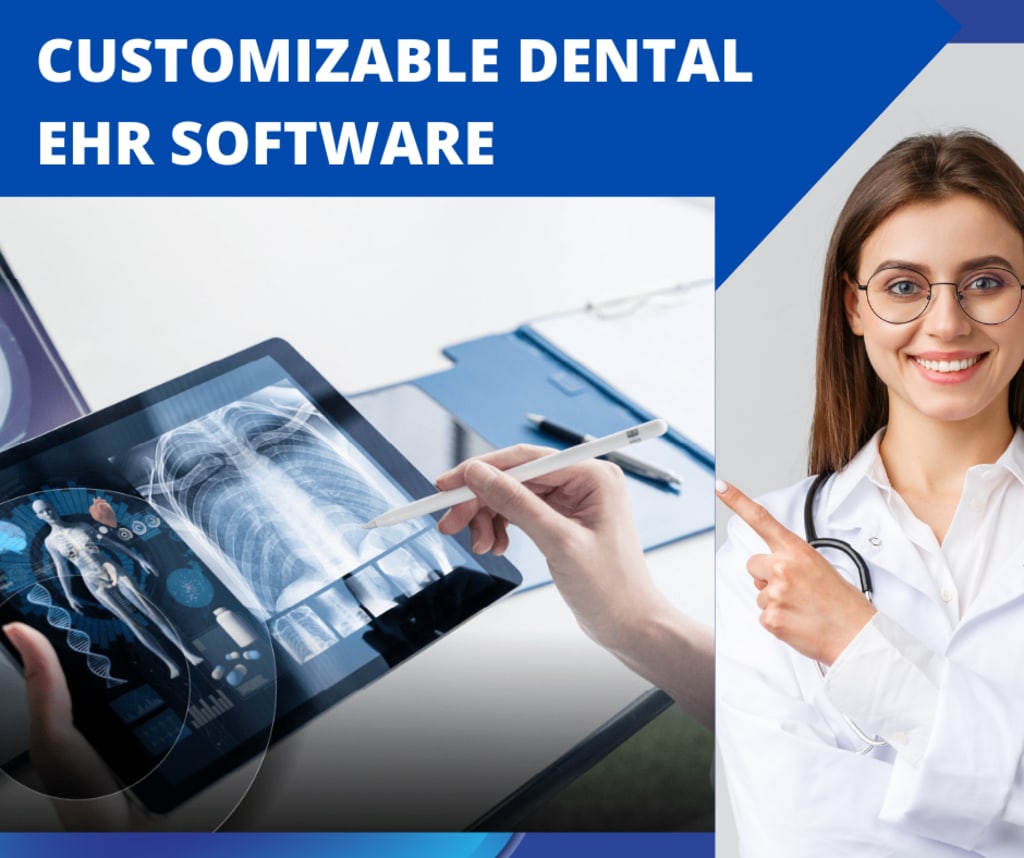
In today’s rapidly evolving dental industry, effective practice management is critical for maintaining a balance between patient care and operational efficiency. From appointment scheduling to revenue management, dental practice management software (DPMS) has emerged as a transformative tool. These solutions cater to both small clinics and large dental organizations, helping streamline workflows and improve patient outcomes.
What is Dental Practice Management Software?
Dental software is a comprehensive solution that integrates key operational and clinical functionalities. It simplifies essential tasks like patient scheduling, billing, treatment planning, and data management, making day-to-day operations seamless. The result is a more efficient practice that can provide superior patient care and achieve sustainable growth.
Benefits of Dental Practice Management Software
Streamlined Operations: By automating tasks such as reminders and billing, practices can reduce manual errors and increase productivity.
Enhanced Patient Experience: Features like online appointment booking, real-time updates, and personalized communication foster a better patient experience.
Financial Stability: Integrated billing systems reduce claim denials and ensure quicker reimbursements.
Compliance and Security: Many platforms offer built-in compliance with HIPAA and other healthcare regulations, safeguarding sensitive patient data.
Key Features of Modern DPMS Solutions
The best DPMS platforms are designed with user-friendly interfaces and advanced functionalities to meet the unique needs of dental practices. Some key features include:
Customizable Workflows: Flexible tools allow practices to define workflows tailored to their specific needs, including treatment plans and patient engagement strategies.
Revenue Cycle Management (RCM): Efficient billing systems streamline coding and claims processing for all types of dental procedures, ensuring faster payments.
Cloud-Based Access: Secure, cloud-enabled platforms allow practitioners to access patient records and manage operations from any location.
Virtual Care Integration: Teledentistry features enable secure, remote consultations, expanding access to care for patients.
Comprehensive Analytics: Dashboards and reporting tools provide actionable insights into practice performance, helping identify opportunities for growth.
Device Integration: Connecting with dental imaging systems and scanners ensures real-time data capture, reducing manual entry.
How DPMS Enhances Patient Care
The adoption of advanced dental software doesn’t just improve operational efficiency—it also elevates the level of care patients receive. Here’s how:
Accurate Treatment Planning: Modern charting tools enable detailed treatment pathways with clear cost estimates.
Improved Communication: Automated notifications and personalized messaging keep patients informed at every step of their journey.
Access to Virtual Consultations: Secure telehealth options allow patients to connect with their dentists from anywhere, fostering greater accessibility.
Proactive Health Management: Integrated care coordination tools ensure that all aspects of a patient’s oral and overall health are addressed collaboratively.
Choosing the Right Software for Your Practice
When selecting a dental practice management solution, consider the following factors:
Ease of Use: A user-friendly interface is crucial for team adoption.
Scalability: The software should accommodate the growth of your practice over time.
Customizability: The ability to tailor workflows and features to your practice’s needs is essential.
Interoperability: Ensure the platform integrates seamlessly with existing systems and devices.
Focus on Patient-Centered Care: Choose software that supports value-based care models, prioritizing patient outcomes.
Real-World Impact of DPMS
Case Study: Multi-Location Dental Organization
A large dental group implemented a DPMS to unify operations across multiple sites. Key results included:
A 30% reduction in missed appointments due to automated reminders.
Streamlined workflows, reducing operational costs by 20%.
Higher patient satisfaction scores through improved communication.
Case Study: Independent Dental Clinic
A small practice leveraged a modern DPMS to enhance revenue management. Benefits included:
Faster insurance reimbursements, improving cash flow.
A 25% increase in patient retention due to better engagement tools.
Future Trends in Dental Practice Management
The future of dental software lies in continuous innovation. Emerging trends include:
AI and Predictive Analytics: Advanced tools will help anticipate patient needs and optimize appointment scheduling.
Enhanced Patient Portals: Self-service platforms for booking appointments, accessing records, and making payments will become standard.
Greater Interoperability: Improved integration with other healthcare systems will enable holistic patient care.
Focus on Preventive Care: Software will increasingly support early intervention and wellness initiatives.
Final Thoughts
Dental practice management software is no longer optional in today’s competitive landscape. These tools empower practices to improve efficiency, enhance patient care, and achieve financial stability. Whether you’re managing a single clinic or a multi-location organization, adopting the right DPMS can transform your operations and set you on a path toward long-term success.
To stay ahead, explore options that offer robust functionality, user-friendly design, and a commitment to patient-centered care. Investing in the right solution today will ensure your practice thrives in the years to come.
About the Creator
Enjoyed the story? Support the Creator.
Subscribe for free to receive all their stories in your feed.
Comments
There are no comments for this story
Be the first to respond and start the conversation.