
Unlocking Opportunities in Brazil’s Booming Commercial EV Charging Market
From ‘Nice-to-Have’ to ‘Must-Have’: How Local Conditions Are Driving Brazil’s Rapid EV Charging Market Growth

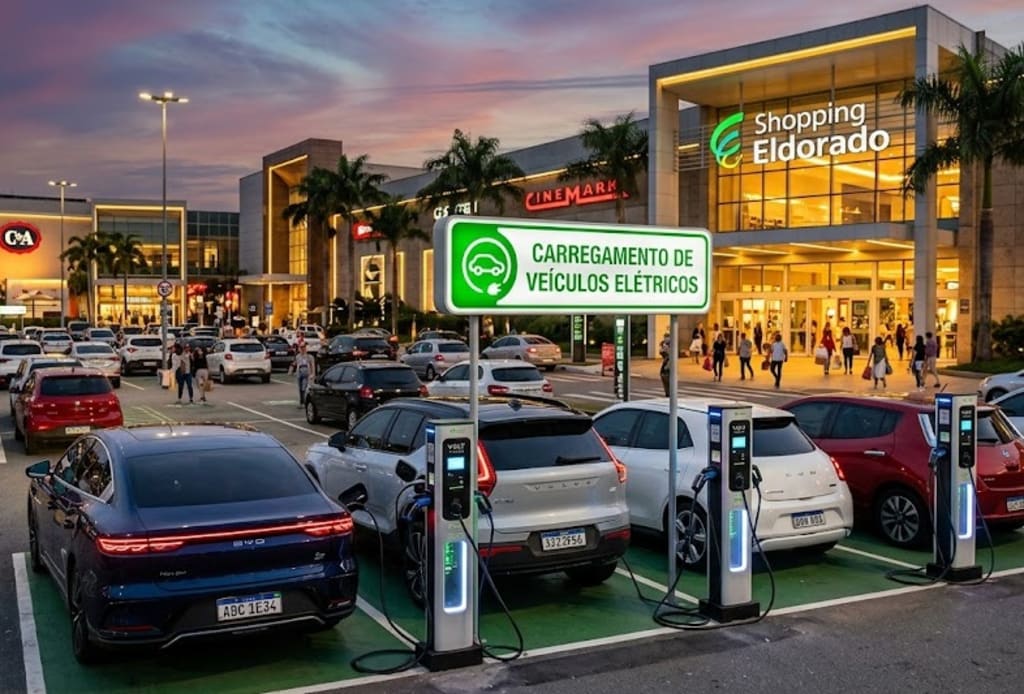
If you manage a shopping center, parking garage, or mixed-use property in Brazil, you’ve probably felt the shift.
What used to be the occasional “Do you have EV charging?” question from tenants or customers has now become an expectation. People are actively asking for it — and choosing properties that offer it.
This isn’t just another global trend passing through. In Brazil, several practical, local factors have come together at exactly the right time, turning commercial EV charging from a nice extra into a genuine must-have.
Why the Momentum Feels So Real Right Now
Brazil’s electric and hybrid vehicle fleet has grown dramatically. In 2024 alone, the country registered around 177,000 electrified vehicles — a sharp increase from previous years. Sales have continued climbing through 2025, fueled by more affordable models (especially from Chinese manufacturers), better charging infrastructure, and significantly lower running costs than traditional fuel vehicles.
For drivers, the benefit is simple: they can charge while they shop, work, or run errands. That makes high-dwell locations — retail parks, office buildings, supermarkets, and mixed-use developments — the perfect places for charging stations. Property operators who have already installed chargers are seeing the difference on the ground: more foot traffic, higher tenant retention, and a clear edge in competitive markets.
The numbers tell the story. Brazil’s commercial EV charging market is expanding fast, moving from roughly USD 36–44 million in recent years toward well over USD 100–200 million by the early 2030s, with strong double-digit CAGR. Public and semi-public charging points have already reached around 12,000–17,000 by mid-2025.

What’s Actually Driving the Commercial Charging Boom
Several local realities are converging to create real demand:
More Vehicles on the Road
Growing adoption is creating genuine, everyday demand — especially in major urban centers like São Paulo, Rio de Janeiro, and other fast-growing cities.
Policy and Regulatory Support
The MOVER program (Green Mobility and Innovation Program) is offering incentives for cleaner vehicles and local production. At the same time, ANEEL (the energy regulator) is simplifying grid connections for charging stations, removing many of the old bureaucratic headaches for property developers.
Practical Economics for Property Owners
Installing chargers can generate additional revenue through usage fees, while also increasing dwell time — customers simply stay longer. It also strengthens ESG credentials, which are becoming increasingly important to corporate tenants and investors.
Of course, challenges remain. Grid capacity still varies by location and infrastructure needs to keep pace with vehicle growth. But these very gaps are exactly where early-moving commercial real estate players can gain a significant advantage.

What Commercial Operators Should Consider Right Now
If you’re thinking about adding EV charging to your property, here are the most practical points to focus on:
Location Strategy
Prioritize spots where vehicles typically stay for 1–4 hours. In most retail and office settings, Level 2 AC chargers (7–22 kW) offer the best balance — they’re cost-effective and gentler on the local grid.
Technology Choices
Choose reliable, future-ready equipment that meets Brazilian standards and supports the most popular connectors. Smart features such as load balancing, remote monitoring, and renewable energy integration help lower long-term costs and keep operations smooth.
Partnerships Matter
Working with experienced providers who understand local regulations, installation, maintenance, and payment systems saves time and avoids expensive mistakes. Uptime and user experience are everything — one unreliable charger can hurt your property’s reputation fast.
Broader Business Impact
Beyond direct income, well-planned charging infrastructure future-proofs your asset, supports sustainability targets, and can even increase overall property value.
Looking Forward
Brazil’s commercial EV charging market is at an exciting turning point. With more electric vehicles on the roads, clearer regulations, and growing awareness that the best charging spots are exactly where people already park every day, the opportunity for retail and real estate operators is substantial.
Those who invest thoughtfully now will be perfectly positioned as the market matures. It’s no longer about chasing a global trend — it’s about responding to what’s already happening on Brazilian roads and in Brazilian parking lots today.
For property owners and developers looking for robust, commercially proven EV charging solutions tailored specifically for Brazil’s high-traffic environments, local company delivers advanced chargers backed by strong local support and real-world performance.
About the Creator
Enjoyed the story? Support the Creator.
Subscribe for free to receive all their stories in your feed.
Comments
There are no comments for this story
Be the first to respond and start the conversation.