
United States Luxury Furniture Market Signals a New Era of Prestige Living
Premium interiors reshape modern lifestyles as affluent buyers redefine comfort, craftsmanship, and identity across the nation
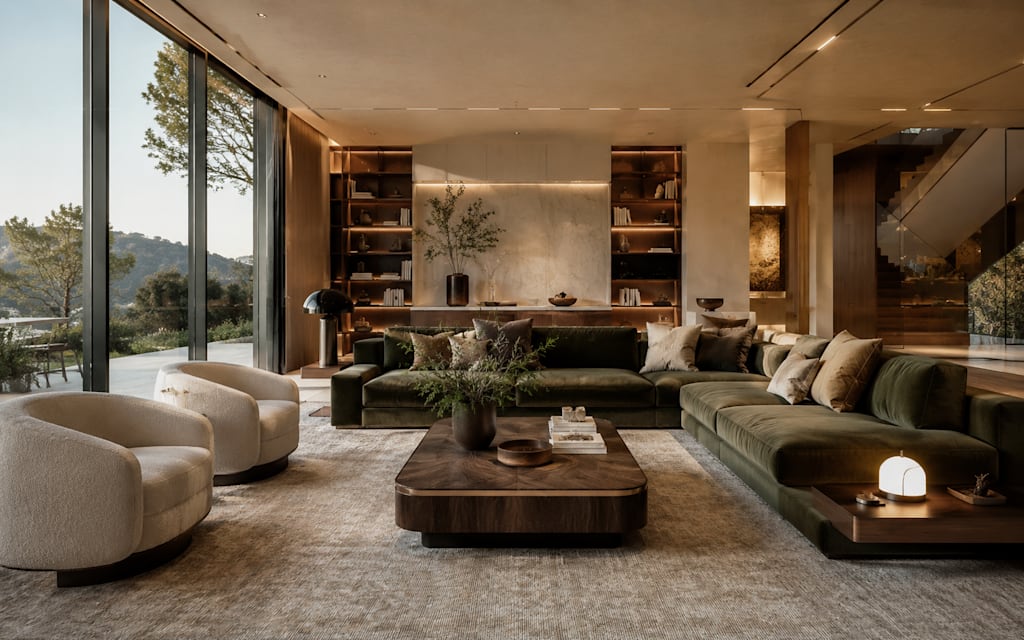
The first thing guests noticed was not the marble flooring or the towering glass walls. It was the silence. A kind of soft elegance wrapped around the room, created by velvet seating, handcrafted walnut tables, and sculptural lighting that felt more like art than décor. In homes across America, luxury furniture is no longer filling spaces. It is shaping emotional experiences.
From penthouses in Manhattan to sprawling villas in California, affluent consumers are redesigning their homes with intention. Every curve, texture, and material now reflects personality, status, and wellness. Designers are witnessing a major shift as buyers move beyond functionality and seek furniture pieces that create atmosphere, exclusivity, and emotional comfort.
Craftsmanship Becomes the New Symbol of Modern Wealth
Luxury furniture once revolved around extravagance. Today, it revolves around authenticity. Buyers are paying closer attention to the story behind every piece — where the wood came from, how the fabric was sourced, and whether artisans handcrafted the detailing. The emotional connection between consumer and product is becoming stronger than ever.
This shift is redefining the United States Luxury Furniture Market as personalization gains momentum among affluent households. Consumers no longer want homes that resemble catalog pages. They want interiors that feel deeply individual and emotionally grounded.
According to Mordor Intelligence, the United States Luxury Furniture Market is projected to expand from USD 6.29 billion in 2025 and USD 6.55 billion in 2026 to USD 8.17 billion by 2031, registering a CAGR of 4.52% between 2026 and 2031. This steady momentum reflects changing lifestyle priorities and growing demand for elevated home experiences.
The rise of remote work has also accelerated investment in premium interiors. Dining rooms are becoming executive meeting spaces. Bedrooms are evolving into wellness retreats. Open living areas now serve as multifunctional environments where aesthetics and comfort coexist seamlessly.
Mobile-friendly content breaks now dominate digital furniture storytelling. Brands increasingly use cinematic showroom tours, interior styling reels, and designer interviews to engage younger affluent audiences scrolling through inspiration-driven platforms late at night.
Affluent Buyers Push US Luxury Furniture Market Into Lifestyle Territory
The modern luxury buyer is not simply purchasing furniture. They are investing in identity. Sofas, dining tables, and statement chairs now function as lifestyle markers tied to wellness, sophistication, and social influence.
This emotional positioning is helping the US Luxury Furniture Market attract younger high-income consumers who prioritize aesthetics as much as practicality. Millennials and Gen Z luxury homeowners are increasingly blending sustainability with exclusivity, demanding timeless pieces that also align with conscious living values.
Interior designers report growing interest in earthy palettes, curved silhouettes, natural materials, and limited-edition collections. Consumers want homes that feel calming and visually distinctive rather than overwhelming or excessively ornate.
Social media platforms have amplified this movement dramatically. Luxury interiors are no longer confined to celebrity mansions or design magazines. They now appear daily across creator content, architecture pages, and aspirational lifestyle feeds, making premium furniture more culturally visible than ever before.
At the same time, digital visualization tools are changing purchasing behavior. Buyers can now preview custom furniture in their own homes using augmented reality experiences before making major investments. This combination of convenience and personalization is strengthening consumer confidence across premium segments.
The increasing visibility of luxury interiors is also influencing broader furniture markets in the US, where mainstream buyers are adopting upscale design trends inspired by premium collections. Textured fabrics, artisan finishes, and minimalist aesthetics are steadily becoming aspirational standards across multiple income groups.
Design Innovation Shapes the Future of Premium American Interiors
Luxury furniture is entering a new phase where emotional design matters as much as visual appeal. Buyers want spaces that reduce stress, encourage connection, and create a sense of retreat from increasingly fast-paced lifestyles.
This demand is encouraging brands to experiment with modular layouts, eco-conscious materials, and sensory-driven textures that create warmth and tranquility inside the home. The result is a market that feels less transactional and more experiential.
Another notable shift involves growing consumer interest in artisanal exclusivity. Limited-production furniture collections are becoming highly desirable because they offer uniqueness in a world dominated by mass manufacturing. Scarcity itself has become part of the luxury appeal.
Industry analysts also observe changing dynamics in US Luxury Furniture Market Share as premium consumers diversify purchasing channels. Traditional luxury showrooms still hold influence, but online discovery and direct-to-consumer customization are reshaping competitive visibility within the industry.
Luxury furniture is increasingly tied to emotional aspiration. It represents success, stability, creativity, and personal sanctuary all at once. As American consumers continue investing heavily in home-centered lifestyles, premium interiors are expected to remain culturally influential for years ahead.
The living room is no longer just a room. It has become a statement about identity, ambition, and the kind of life people hope to build within their walls.
Would you invest more in handcrafted luxury furniture if it transformed your home into a personal sanctuary?
About the Creator
Enjoyed the story? Support the Creator.
Subscribe for free to receive all their stories in your feed.
Comments
There are no comments for this story
Be the first to respond and start the conversation.