
Understanding the Versatility of Composite Mats in Industrial Applications
Composite mats have emerged as a versatile solution for various industrial applications. These mats are created specifically to offer steadiness, defence, and support in demanding working settings.
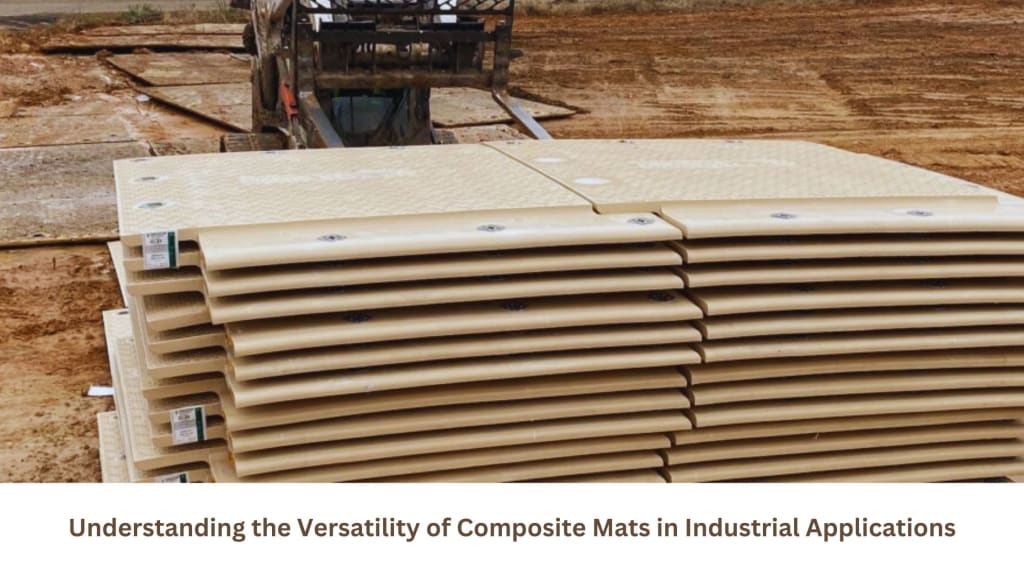
Made from a combination of different materials, composite mats offer numerous advantages over traditional options like wood, steel, or concrete. In this article, we will explore the versatility of composite mats in industrial applications and delve into their unique features and benefits.
The Composition of Composite Mats
High-density polyethylene (HDPE), fibreglass, resins, and other reinforcing elements are frequently combined to create composite mats. A mat made from this combination of materials is robust, long-lasting, and resistant to a variety of environmental elements like chemicals, dampness, and UV rays. The composition of composite mats allows them to withstand heavy loads and provide reliable support in a wide range of industrial settings.
Temporary Access Solutions
One of the key applications of composite mats is providing temporary access solutions in industries where the ground may be unstable or sensitive to damage. These mats act as portable roadways, creating stable pathways for heavy equipment, vehicles, and personnel. They are especially beneficial in construction sites, oil and gas operations, mining sites, and utility maintenance projects. The lightweight nature of composite mats allows for easy installation and relocation as needed, making them a cost-effective choice for temporary access needs.
Ground Protection and Stabilization
In industrial environments, protecting the underlying ground from damage caused by heavy machinery and equipment is crucial. Composite mats excel in this area by providing effective ground protection and stabilization. The mats distribute the weight of the equipment evenly, preventing soil compaction, rutting, and erosion. By minimizing ground disturbance, composite mats help preserve the integrity of the terrain, ensuring the site's long-term stability.
Enhanced Safety Measures
Safety is of utmost importance in industrial applications, and composite mats contribute significantly to creating a safer work environment. These mats feature non-slip surfaces, reducing the risk of slips, trips, and falls, even in wet or muddy conditions. They also provide a stable surface for workers to perform their tasks, minimizing the potential for accidents. Additionally, composite mats can be equipped with built-in features like handrails and edge protectors, further enhancing safety measures.
Environmental Considerations
Composite mats offer several environmental benefits compared to traditional options. Unlike wooden mats that require constant replacement and contribute to deforestation, composite mats are reusable and have a longer lifespan. Their resistance to chemicals and moisture ensures they won't degrade quickly, reducing the need for frequent replacements. Furthermore, the lightweight nature of composite mats results in reduced fuel consumption during transportation, leading to lower carbon emissions.
Versatility in Challenging Terrains
One of the remarkable features of composite mats is their ability to adapt to various terrains and surface conditions. Whether it's a muddy construction site, a swampy area, or a sensitive ecosystem, composite mats can provide stability and support. Their interlocking system ensures a secure connection, creating a unified surface even on uneven or undulating terrain. This versatility enables industries to operate in challenging environments while minimizing environmental impact.
Applications in Oil and Gas Operations
Composite mats are widely used in the oil and gas sector, where they are essential for drilling, building pipelines and maintaining existing ones. The mats provide stable access roads to remote locations, enabling heavy equipment to reach sites that are otherwise inaccessible. They also act as a protective layer, preventing contamination and soil disturbance in ecologically sensitive areas. The durability and chemical resistance of composite mats make them ideal for harsh environments encountered in oil and gas operations.
Conclusion
In conclusion, the versatility of composite mats in industrial applications is undeniable. These mats provide a strong and reliable foundation in challenging work environments, offering benefits such as temporary access solutions, ground protection, enhanced safety measures, and environmental considerations. With their remarkable features and numerous advantages, composite mats have become an essential tool for industries seeking efficient and sustainable solutions for their operations.
About the Creator
Enjoyed the story? Support the Creator.
Subscribe for free to receive all their stories in your feed.
Comments
There are no comments for this story
Be the first to respond and start the conversation.