
Understanding the Process of Business Setup in Dubai
Business Setup in Dubai
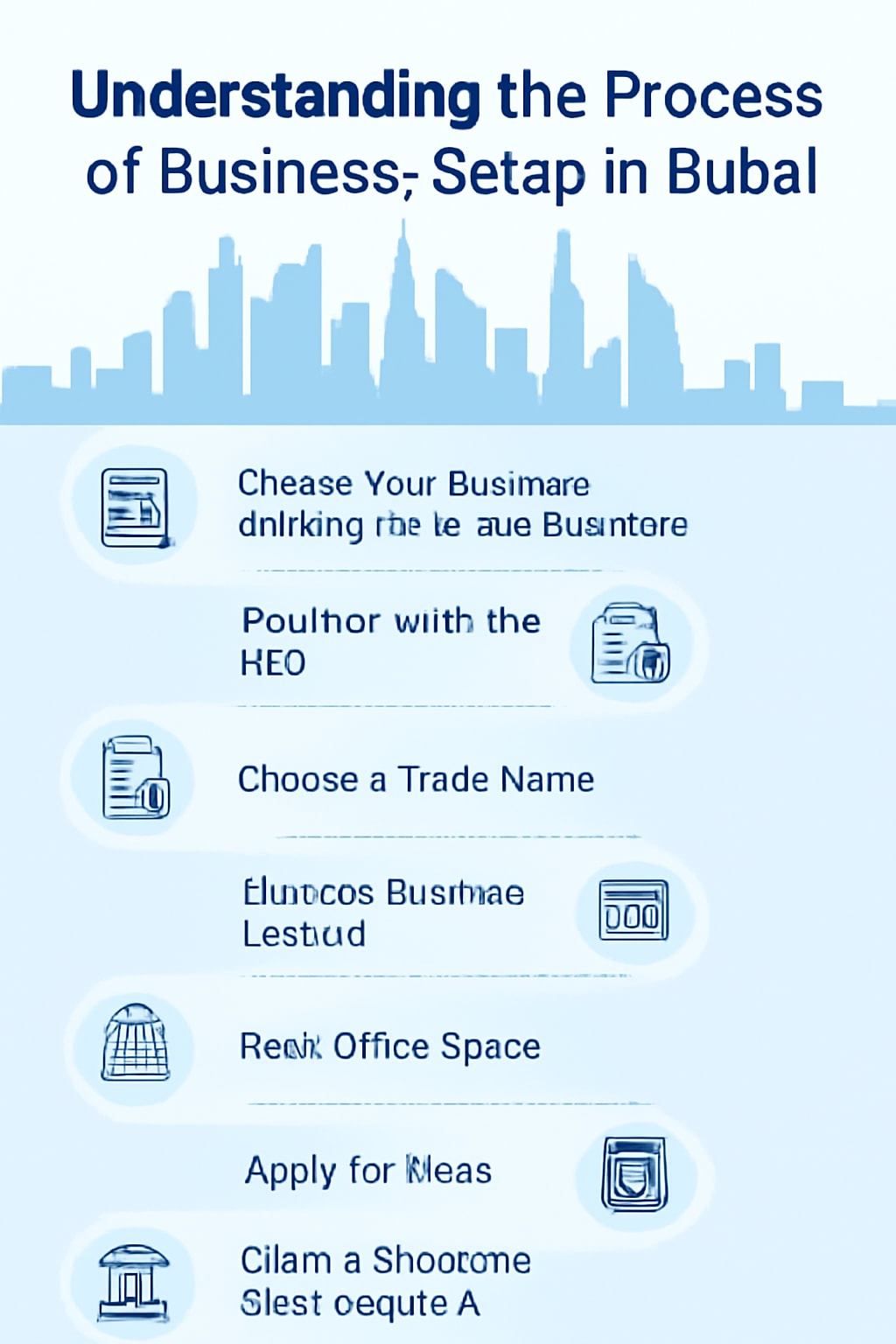
Starting a business in Dubai is an exciting prospect for entrepreneurs and investors, as the city offers a vibrant economy, diverse market opportunities, and attractive tax benefits. However, the process of setting up a business in Dubai can be complex, and it’s crucial to understand the steps involved to navigate it successfully. This comprehensive guide will break down the essential aspects of business setup in Dubai, focusing on various business structures, legal requirements, and critical steps for setting up your company in one of the world's most business-friendly environments.
Why Dubai is a Business Hub
Dubai is considered one of the world’s most strategic business hubs due to its prime location, modern infrastructure, tax-friendly environment, and thriving economy. The city has become a global destination for entrepreneurs seeking to establish their businesses in the UAE. With its strategic location between Europe, Asia, and Africa, Dubai provides unparalleled access to key global markets. Moreover, the city offers an array of free zones, each catering to different business types, making it easier for entrepreneurs to find a suitable environment for their needs. The city's regulatory framework also provides a transparent legal structure for business operations, which helps in building trust with international clients.
Key Considerations Before Starting a Business in Dubai
Before embarking on the business setup process in Dubai, there are a few critical factors that you should consider:
- Business Activity: Defining the nature of your business is crucial for choosing the right business structure. Whether it’s trading, consulting, or providing professional services, you must ensure that your business activity aligns with the UAE's regulations.
- Legal Structure: Dubai offers different business structures, such as Free Zone companies, Mainland companies, and Offshore companies. Understanding which structure suits your business needs will significantly impact your success.
- Location: Dubai is home to various free zones and offers Mainland options. Understanding the differences between them will help you make an informed decision about where to base your company.
- Visa Requirements: Depending on the business structure, you may need a business or employment visa. The type of visa depends on the number of employees and the nature of the business.
Steps to Start a Business in Dubai
Setting up a business in Dubai requires following specific steps. Below is a detailed step-by-step guide to assist you in understanding the process:
Step 1: Choose Your Business Activity and Legal Structure
The first step to company formation in Dubai is choosing your business activity. The UAE government has categorized business activities, and your chosen activity will determine the structure of your business. You can either opt for a mainland business setup, a free zone setup, or an offshore setup, each of which comes with its own set of benefits and limitations.
- Mainland: Ideal for businesses that require a larger market scope, including operations inside and outside the UAE.
- Free Zone: Best for businesses that want to take advantage of tax benefits and 100% foreign ownership.
- Offshore: Perfect for international trade and businesses looking to protect assets and minimize taxes.
Step 2: Register with the Dubai Department of Economic Development (DED)
Once you’ve decided on your business activity and legal structure, the next step is to register your company with the Dubai Department of Economic Development (DED). The DED is the regulatory body responsible for issuing licenses for businesses in the mainland. For businesses in free zones, registration will take place with the respective free zone authorities.
Step 3: Choose a Trade Name
Your company needs to have a unique name. The trade name should reflect your business activity and align with the regulations set by the UAE authorities. Make sure to check the availability of the name with the DED or the respective free zone authority. Avoid using offensive or controversial words, as the name will undergo a screening process.
Step 4: Obtain a Business License
The next step is obtaining your Dubai business license, which is issued by the DED or the relevant free zone authority. The type of license will depend on your business activity and structure. Business licenses in Dubai typically fall into three categories:
- Commercial License: For businesses involved in trading goods.
- Professional License: For service-based businesses and professionals like consultants or IT specialists.
- Industrial License: For businesses involved in manufacturing and industrial activities.
Step 5: Rent Office Space
For most businesses, it is a legal requirement to rent an office space. The office space size will vary based on the number of employees and the business's nature. Free zones often offer flexible office space solutions, including shared offices or virtual offices, which provide cost-effective options for startups.
Step 6: Apply for Visas
As part of the company registration process in Dubai, you will need to apply for a visa for yourself and your employees. The number of visas you can apply for will depend on the size of your office and the structure of your company. Free zone companies typically offer faster visa processing times and easier procedures.
Step 7: Open a Corporate Bank Account
A business bank account is necessary for conducting financial transactions. You will need to choose a bank, open an account in your company’s name, and provide all required documentation. The bank will require a copy of your trade license, visa, and other relevant paperwork.
Types of Business Licenses in Dubai
Understanding the different types of business licenses in Dubai is essential for selecting the appropriate one for your business:
- Commercial License: This license is for businesses that engage in trading goods or commodities.
- Professional License: Ideal for service-oriented businesses or professionals offering services like consultancy, IT, or legal advice.
- Industrial License: Required for businesses engaged in manufacturing and production activities.
- Tourism License: For businesses in the hospitality and tourism industry.
- E-Commerce License: For businesses trading online.
- Benefits of Setting Up a Business in Dubai
- 100% Foreign Ownership: Dubai free zones allow full foreign ownership, making it an attractive option for international investors.
- Tax Advantages: Dubai offers a tax-free environment, including no personal income tax, corporate tax exemptions, and customs duty incentives.
- Strategic Location: Dubai’s location serves as a gateway between Europe, Asia, and Africa, making it ideal for international trade.
- Ease of Doing Business: The UAE is ranked highly for ease of doing business due to its simplified company formation procedures and transparent regulatory environment.
- Advanced Infrastructure: Dubai boasts world-class infrastructure, including state-of-the-art transport systems, advanced telecommunications, and modern facilities.
Pros and Cons of Business Setup in Dubai
Pros:
- 100% foreign ownership (in free zones).
- Tax exemptions for most businesses.
- A thriving market and favorable business environment.
- Excellent international connections and logistics.
- Access to a wide talent pool due to the diverse expatriate population.
Cons:
- High office rent costs in mainland Dubai.
- Limited access to the local market for free zone businesses.
- Regulatory complexities in some sectors.
- The cost of hiring local staff may be higher due to the minimum salary requirement.
Frequently Asked Questions
1. What are the steps to start a business in Dubai?
The steps include choosing a business activity, selecting a legal structure, registering with the relevant authority (DED or free zone), choosing a trade name, obtaining a license, renting office space, applying for visas, and opening a bank account.
2. How much does it cost to set up a company in Dubai?
Costs vary depending on the type of business and the license. However, it is important to consult with a business setup consultant for accurate cost estimates based on your business model.
3. Can foreigners own a business in Dubai?
Yes, foreigners can own a business in Dubai, especially in free zones where they can have 100% ownership of their business.
4. How do I register a company in Dubai free zone?
The registration process in a Dubai free zone includes selecting a business activity, submitting documents, choosing a trade name, and obtaining a license. Free zones often provide comprehensive services to help with the process.
5. What are the requirements for opening a business in Dubai for foreigners?
Foreigners must choose a legal structure, obtain a trade license, lease office space, and apply for visas for themselves and their employees.
6. What are the benefits of setting up a business in Dubai?
The benefits include 100% foreign ownership (in free zones), tax exemptions, excellent infrastructure, and access to a global market.
7. How long does it take to set up a business in Dubai?
The setup process can take as little as 1-2 weeks, depending on the type of business and the speed of document processing.
8. What is the role of the Dubai Chamber of Commerce in business setup?
The Dubai Chamber of Commerce plays a crucial role in facilitating business operations, providing resources, and offering guidance on regulations for businesses in Dubai.
9. Can I operate my business outside Dubai with a free zone setup?
No, free zone companies are limited to conducting business only within the free zone unless you establish a branch or representative office in mainland Dubai.
10. What is the role of the Department of Economic Development (DED)?
The DED oversees the regulation and licensing of businesses in the Dubai mainland and ensures that businesses comply with local laws and regulations.
Conclusion
Understanding the process of business setup in Dubai is essential for any entrepreneur looking to establish a presence in the UAE. With the right knowledge and guidance, navigating the Dubai business registration process can be straightforward. Whether you opt for a mainland company formation or a Dubai free zone company setup, each option offers distinct advantages depending on your business goals. By following the steps outlined in this guide, you can successfully set up your business in Dubai and take advantage of its booming economy and strategic location.
About the Creator
Business Setup Dubai
Starting your own company in Dubai isn’t just a dream—it’s easier than ever before. With fast-tracked approvals, minimal red tape, and world-class infrastructure,
Enjoyed the story? Support the Creator.
Subscribe for free to receive all their stories in your feed.
Comments
There are no comments for this story
Be the first to respond and start the conversation.