
Understanding the Exchange Rate of Bitcoin to Naira in the Black Market
The exchange rate of Bitcoin (BTC) to Nigerian Naira (NGN) in the black market can fluctuate significantly due to various factors including economic conditions, regulatory changes, and market demand.
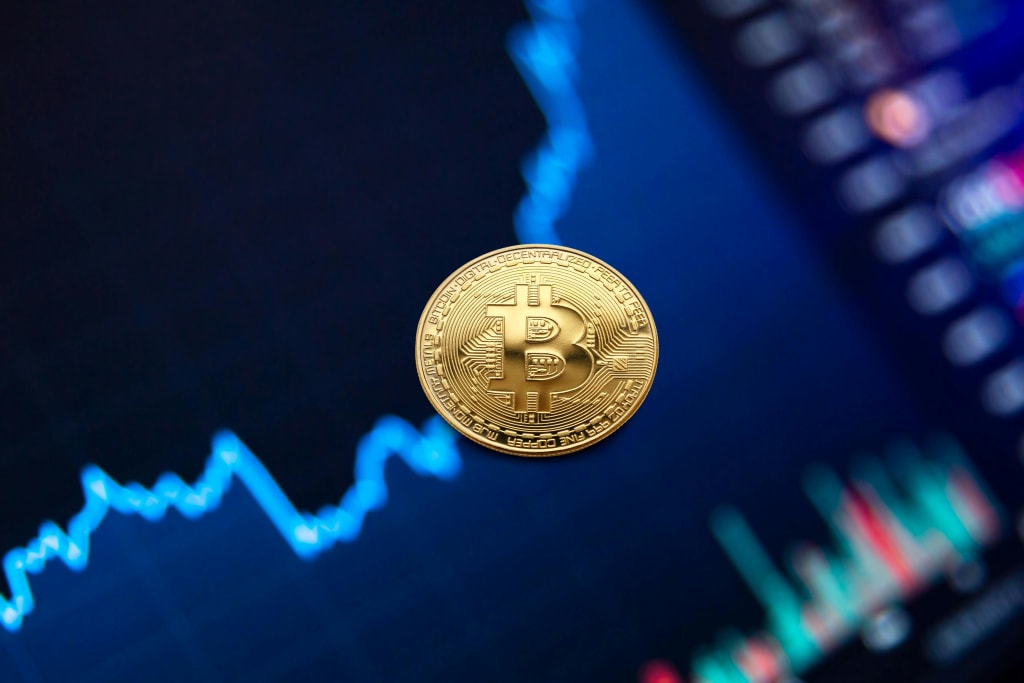
The exchange rate of Bitcoin (BTC) to Nigerian Naira (NGN) in the black market can fluctuate significantly due to various factors including economic conditions, regulatory changes, and market demand. This article explores the factors influencing the exchange rate, how it compares to official rates, and provides insights into the dynamics of Bitcoin trading in the Nigerian black market. We'll cover ten key points and conclude with an overview of the implications for investors and traders.
1. Definition of Black Market Exchange Rates
The black market exchange rate refers to the unofficial rate at which cryptocurrencies like Bitcoin are traded in informal markets. Unlike official rates provided by banks or financial institutions, black market rates are influenced by supply and demand dynamics and can differ significantly.
2. Factors Influencing Black Market Rates
Several factors affect the Bitcoin-to-Naira rate in the black market, including:
Economic Instability: Economic challenges in Nigeria can drive up the demand for Bitcoin as a hedge against currency devaluation.
Regulatory Changes: Government regulations or restrictions on cryptocurrency trading can impact the availability and pricing of Bitcoin.
Market Demand: High demand for Bitcoin in the black market can lead to higher exchange rates.
3. Comparison with Official Rates
The black market rate for Bitcoin is often higher than the official rate due to the lack of regulation and increased demand. Official exchange rates are set by financial institutions and may not reflect real-time market conditions, while black market rates are more responsive to immediate economic and market changes.
4. Impact of Economic Conditions
Economic instability, such as inflation or currency devaluation, can increase the demand for Bitcoin as an alternative investment. This heightened demand often leads to a higher black market rate for Bitcoin compared to the official exchange rate.
5. Regulatory Impact
Regulations on cryptocurrency trading can influence the black market rate. For example, if the Nigerian government imposes restrictions on Bitcoin transactions, the black market rate may rise as traders seek alternative means to acquire or sell Bitcoin.
6. Market Sentiment and Speculation
Market sentiment and speculation can drive fluctuations in the black market rate for Bitcoin. Positive news or anticipated changes in the cryptocurrency market can lead to increased buying pressure and higher exchange rates in the black market.
7. Local Market Conditions
Local factors, such as the availability of Bitcoin and the volume of trading activity, can affect the black market exchange rate. In areas with limited access to cryptocurrencies, the black market rate may be higher due to scarcity.
8. Bitcoin’s Volatility
Bitcoin’s inherent volatility can impact its black market exchange rate. Rapid changes in Bitcoin’s value can lead to significant fluctuations in the Naira rate, affecting trading and investment strategies.
9. Security and Transaction Risks
Trading Bitcoin in the black market may involve security and transaction risks. Unlike regulated exchanges, black market transactions may lack safeguards, making it crucial for traders to exercise caution and verify the credibility of their trading partners.
10. Implications for Investors
Understanding the black market rate for Bitcoin is important for investors and traders. The higher rates in the black market can impact investment decisions, trading strategies, and overall market participation. Investors should stay informed about market conditions and regulatory developments to make well-informed decisions.
Conclusion
The exchange rate of Bitcoin to Nigerian Naira in the black market reflects a complex interplay of economic factors, regulatory conditions, and market demand. Black market rates are often higher than official rates due to increased demand and economic instability. Investors and traders should be aware of the risks and implications associated with black market trading, including potential security concerns and volatility. By staying informed and understanding the dynamics of the black market, investors can navigate the cryptocurrency market more effectively and make strategic decisions that align with their financial goals.
About the Creator
Enjoyed the story? Support the Creator.
Subscribe for free to receive all their stories in your feed.
Comments
There are no comments for this story
Be the first to respond and start the conversation.