
Understanding Slipped Discs: Common Myths Debunked
Common myths about slipped discs

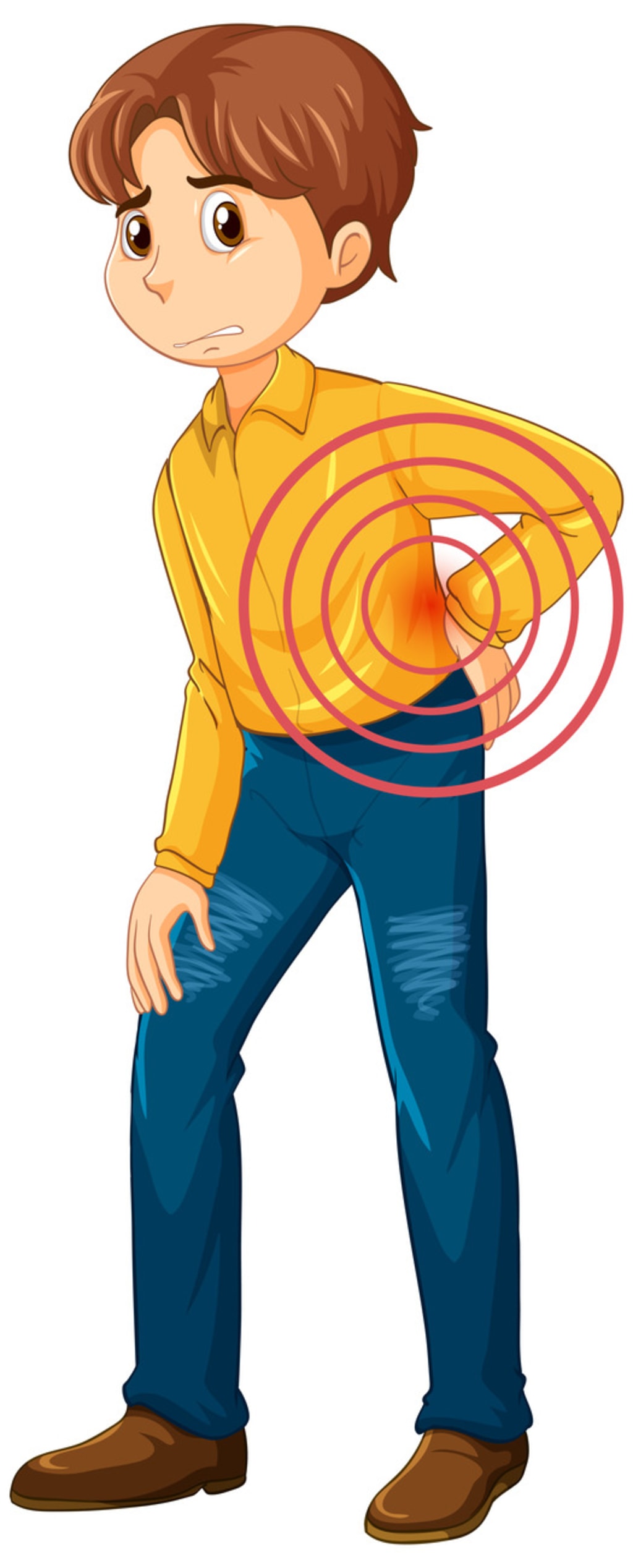
A slipped disc, also known as a herniated or bulging disc, is a common condition affecting the spine. This ailment often causes confusion and misconceptions due to its complex nature and varying symptoms. Understanding the facts behind slipped discs is crucial for effective management and prevention. Here’s a detailed look at common myths about slipped discs and the truth behind them.
Myth 1: Slipped Discs Always Cause Severe Pain
One prevalent myth is that a slipped disc always results in intense pain. While it’s true that herniated discs can be painful, the severity of pain varies widely. Some individuals experience sharp, debilitating pain, while others may have only mild discomfort or no pain at all. The pain typically depends on the location of the disc and whether it impinges on nearby nerves. Many people with slipped discs live with minimal or manageable pain, which can be alleviated with conservative treatments.
Myth 2: Slipped Discs Are Caused by Heavy Lifting
Another common misconception is that lifting heavy objects is the sole cause of slipped discs. While heavy lifting can contribute to spinal issues, it is not the only cause. Slipped discs can result from a variety of factors, including aging, repetitive stress, poor posture, and genetic predisposition. The intervertebral discs, which act as cushions between the vertebrae, naturally degenerate with age. This degeneration makes them more susceptible to herniation, even with minimal or no heavy lifting.
Myth 3: Surgery Is the Only Solution for a Slipped Disc
A widely held belief is that surgery is the only effective treatment for a slipped disc. While surgery can be necessary for severe cases, particularly when conservative treatments fail, many people find relief through non-surgical methods. Physical therapy, medication, lifestyle modifications, and alternative treatments like acupuncture or chiropractic care can be highly effective. A well-rounded approach often includes strengthening exercises, proper body mechanics, and pain management strategies to address symptoms and promote healing.
Myth 4: Slipped Discs Are Always Visible on X-rays
Many assume that X-rays are the definitive diagnostic tool for slipped discs. However, X-rays often do not show herniated discs because they primarily reveal bone structures. MRI (Magnetic Resonance Imaging) or CT (Computed Tomography) scans are more effective at visualizing the soft tissues of the spine, including the discs. These imaging techniques provide a clearer picture of the disc's condition and help in accurately diagnosing a herniation or bulging.
Myth 5: A Slipped Disc Is the Same as a Ruptured Disc
People often use "slipped disc" and "ruptured disc" interchangeably, but they are not identical. A slipped disc generally refers to a herniated or bulging disc where the inner gel-like material protrudes through the outer layer. A ruptured disc, on the other hand, describes a more severe condition where the disc's outer layer tears, allowing the inner material to leak out. While both conditions involve disc displacement, a ruptured disc can lead to more significant symptoms and complications.
Myth 6: Rest Is the Best Treatment for a Slipped Disc
Assuming that complete rest is the best approach to treating a slipped disc is another common misconception. While rest is important, prolonged inactivity can actually worsen symptoms and lead to muscle weakness and stiffness. A balanced approach that includes controlled movement and physical therapy is often more beneficial. Gentle exercises and stretches can help maintain spinal flexibility, strengthen supporting muscles, and promote healing.
Myth 7: Once You Have a Slipped Disc, You’ll Always Have Problems
It’s a common belief that a slipped disc will lead to lifelong issues. Although a slipped disc can cause recurring symptoms, many individuals experience significant improvement with appropriate treatment and lifestyle changes. Adopting a healthy lifestyle, including regular exercise and good posture, can prevent future problems and support overall spinal health. For many, symptoms diminish over time, and they can return to normal activities with minimal restrictions.
Myth 8: Slipped Discs Are Only a Problem for Older Adults
Contrary to popular belief, slipped discs are not exclusively an issue for older adults. While disc degeneration is more common with age, younger people can also suffer from slipped discs due to factors like sports injuries, poor posture, or genetic predisposition. Maintaining a healthy spine through proper exercise, ergonomics, and posture is important for individuals of all ages.
Myth 9: All Back Pain Is Due to a Slipped Disc
Many people mistakenly believe that all back pain is caused by a slipped disc. However, back pain can stem from various sources, including muscle strains, ligament injuries, or other spinal conditions. Accurate diagnosis by a healthcare professional is essential to determine the underlying cause of back pain and to develop an appropriate treatment plan.
Understanding these common myths about slipped discs can help you make informed decisions regarding prevention and treatment. By debunking misconceptions and seeking accurate information, you can better manage your spinal health and navigate the complexities of dealing with slipped discs. Additionally, considering the top sciatica pain management strategies can further enhance your approach to managing related symptoms and improving overall well-being.
About the Creator
Dr. Anushka Patel
Dr. Anushka Patel is a distinguished pain management specialist, holding postgraduate qualifications from Vadilal Sarabhai Hospital, Ahmedabad, and a fellowship from a prestigious institute in Milan, Italy. https://dranushkapatel.com/
Enjoyed the story? Support the Creator.
Subscribe for free to receive all their stories in your feed.
Comments
There are no comments for this story
Be the first to respond and start the conversation.