
Understanding How Your Immune System Works
Understand Immune System Works

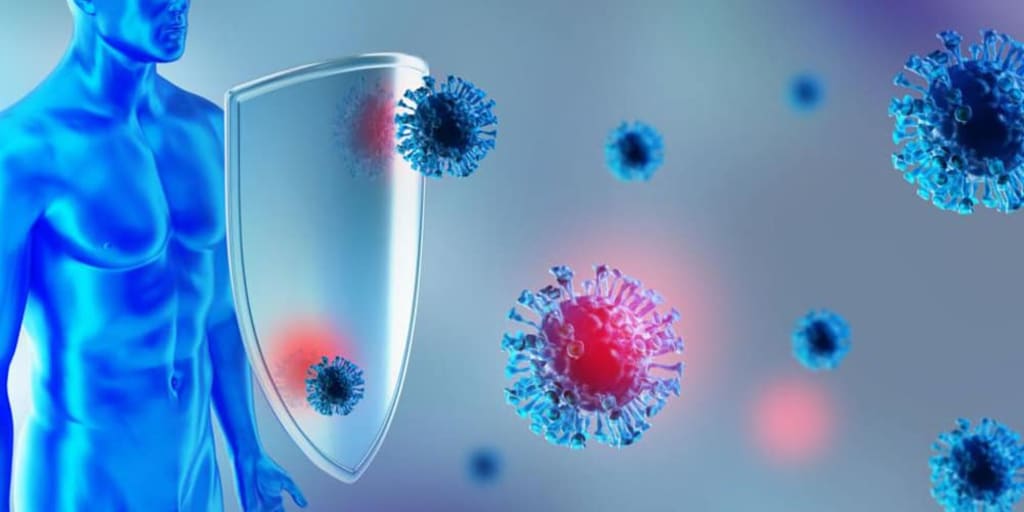
Every day, your body encounters countless threats — from viruses and bacteria to toxins and allergens. Yet, despite this constant exposure, you remain healthy most of the time. How? The answer lies in the power and precision of your immune system. This intricate and highly intelligent defense network works tirelessly to protect you from illness.
Understanding how the immune system works is essential for managing health more effectively and appreciating how lifestyle choices can strengthen or weaken this vital system. Let’s take a detailed look at how your immune system functions, the major players involved, and how you can support it naturally.
What Is the Immune System?
The immune system is your body’s biological defense network. It comprises organs, tissues, cells, and proteins that work together to detect and neutralize harmful invaders. These invaders — known as pathogens — include viruses, bacteria, parasites, and even cancerous cells.
Your immune system doesn’t just work when you’re sick. It’s active 24/7, scanning for anything that doesn’t belong and responding with swift, targeted action. When it’s functioning well, you stay healthy. But when it’s compromised or overactive, you become more vulnerable to infections, inflammation, and autoimmune disorders.
The Two Arms of Immunity: Innate and Adaptive
The immune system has two main branches: innate immunity and adaptive immunity.
1. Innate Immunity – The First Line of Defense
Innate immunity is your body’s immediate, non-specific response to foreign invaders. It includes physical barriers like the skin, mucous membranes, and stomach acid. If these barriers are breached, cells like macrophages, neutrophils, and natural killer (NK) cells jump into action.
These cells work by:
- Engulfing and digesting invaders (phagocytosis)
- Releasing chemical messengers (cytokines) to signal other immune cells
- Triggering inflammation to isolate the threat
The innate immune response is fast but not specific — it responds the same way to every invader.
2. Adaptive Immunity – The Specialized, Long-Term Response
Adaptive immunity is slower to respond but far more specific and powerful. It involves lymphocytes, mainly T and B cells, capable of recognizing and remembering specific pathogens.
- B cells produce antibodies that neutralize invaders or mark them for destruction.
- T cells kill infected cells directly or help other immune cells coordinate an attack.
One of the most important features of adaptive immunity is immunological memory. Once your immune system defeats a pathogen, it remembers it. The next time that same pathogen appears, your immune system can respond more quickly and effectively. This is the principle behind vaccination.
Key Components of the Immune System
Let’s explore the organs, cells, and substances that make up this complex system.
White Blood Cells (Leukocytes)
These are your immune system’s foot soldiers. White blood cells, which are produced in the bone marrow, follow the blood and tissues constantly, looking for invaders. The main types include:
- Neutrophils: Rapid responders to infection
- Macrophages: Engulf pathogens and present antigens to T cells
- T cells: Attack infected or abnormal cells
- B cells: Produce antibodies
- Natural killer cells: Destroy virus-infected and cancerous cells
Lymphatic System
This network of vessels, nodes, and organs helps transport immune cells and remove waste. Key structures include:
- Lymph nodes: Filter lymph and trap pathogens
- Spleen: Filters blood and supports immune cell production
- Thymus: Where T cells mature
- Tonsils and adenoids: Pathogens that enter through the mouth and nose are trapped
Antibodies and Cytokines
- Antibodies: Y-shaped proteins that bind to specific pathogens to neutralize or mark them.
- Cytokines: Chemical messengers that regulate immune responses, inflammation, and communication between cells.
How the Immune System Responds to Threats
Here’s what happens when a pathogen breaches your body’s defenses:
- Detection: Innate immune cells recognize general features of pathogens.
- Inflammatory Response: Inflammation isolates the threat and recruits immune cells.
- Signal Amplification: Cytokines are released to coordinate the immune response.
- Adaptive Activation: B and T cells are activated if the threat persists.
- Pathogen Elimination: Invaders are neutralized, destroyed, or flushed out.
- Memory Storage: The immune system retains a memory of the pathogen to fight it faster next time.
What Can Weaken the Immune System?
The immune system is powerful but not invincible. It can be weakened by:
- Chronic stress: Raises cortisol, which suppresses immunity
- Poor diet: Lacking in nutrients like zinc, vitamin C, and D
- Sleep deprivation: Reduces cytokine production and immune cell activity
- Sedentary lifestyle: Limits circulation and immune efficiency
- Smoking and alcohol: Damages immune tissues and cells
Additionally, age, medical treatments (like chemotherapy), and autoimmune diseases can impair immune function.
How to Support a Healthy Immune System
While there’s no magic pill to make your immune system bulletproof, these evidence-based practices can keep it strong:
Eat Immune-Boosting Foods
Include foods rich in:
- Vitamin C (citrus fruits, bell peppers)
- Vitamin D (fatty fish, fortified foods, sunlight)
- Zinc (nuts, seeds, legumes)
- Probiotics (yogurt, kefir, fermented foods)
Get Enough Sleep
Aim for 7–9 hours per night to help immune cells regenerate and function optimally.
Stay Active
Moderate exercise (like walking, swimming, or cycling) improves immune surveillance and circulation of white blood cells.
Manage Stress
Practice stress-reducing techniques like meditation, deep breathing, journaling, or yoga. Reducing chronic stress helps regulate immune responses.
Stay Hydrated and Hygienic
Water helps flush out toxins, while good hygiene (like hand washing) reduces your exposure to harmful pathogens.
Final Thoughts
Your immune system is one of the most remarkable systems in your body—complex, adaptive, and deeply interconnected with every aspect of your health. Understanding how it works isn’t just an academic pursuit; it’s the first step toward living a healthier, more resilient life.
By making informed lifestyle choices—like eating well, staying active, sleeping soundly, and managing stress—you can strengthen your immune defenses naturally and help your body do what it was designed to do: protect, heal, and thrive.
About the Creator
Fit Life Mantra
Fit Life Mantra empowers individuals to achieve their wellness goals through comprehensive and accessible content on fitness, nutrition, health, lifestyle, and technology, enabling them to lead healthy and fulfilling lives.
Enjoyed the story? Support the Creator.
Subscribe for free to receive all their stories in your feed.
Comments
There are no comments for this story
Be the first to respond and start the conversation.