
Trump's Reciprocal Tariffs & Global trade War: What's Next for the World?
How the New wave of Reciprocal tariffs could reshape Global Trade and challenge the WTO
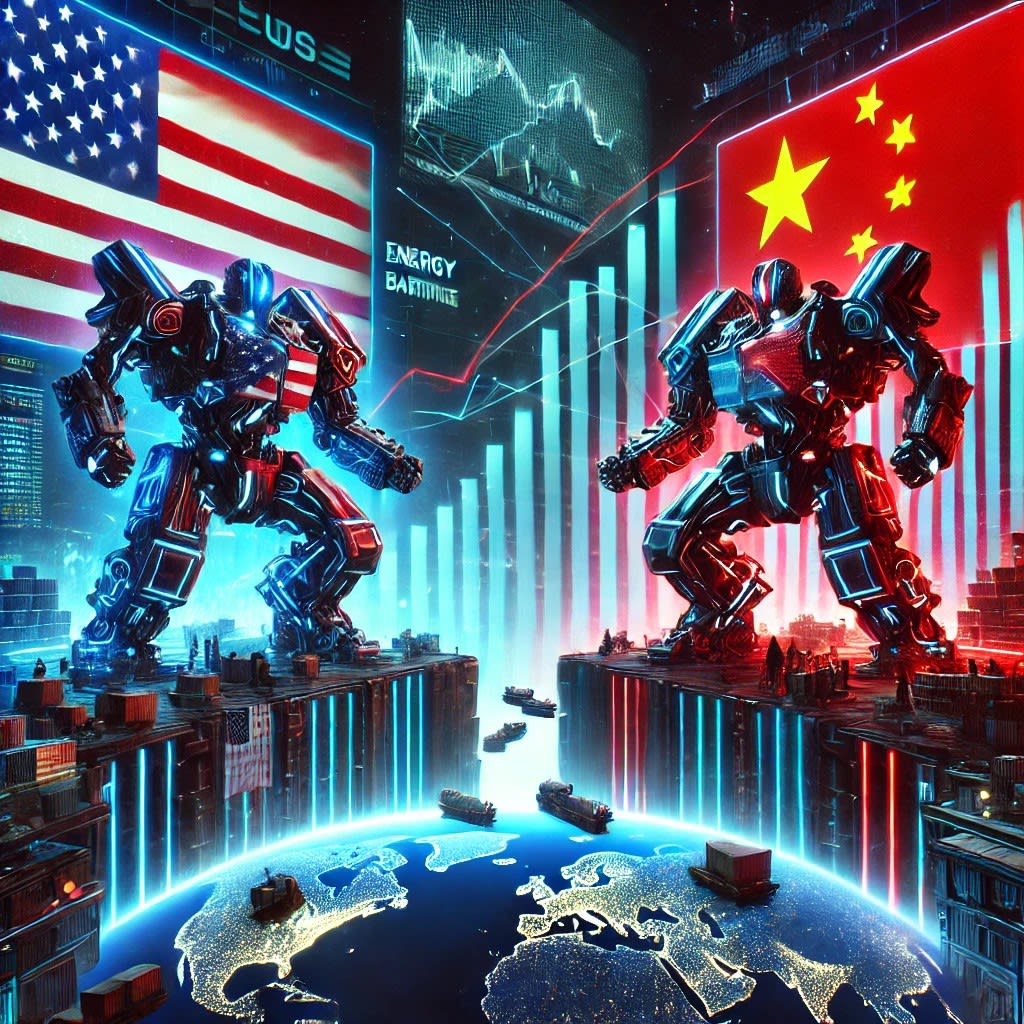
Introduction: A New Trade War Begins?
In April 2025, the global economy is set to experience another seismic shift—Trump’s administration is launching a "Reciprocal Tariffs" policy. The idea is simple: if any country imposes tariffs on U.S. goods, America will strike back with equal or even higher tariffs.
This policy could change how international trade works. Will it force countries to negotiate better deals, or will it trigger another worldwide trade war? Let’s break down what’s happening, what it means for different countries, and whether the World Trade Organization (WTO) can stop it.
1. What Are Reciprocal Tariffs?
The concept of reciprocal tariffs is not new, but Trump is taking it to the extreme. Here’s how it works:
If a country taxes U.S. imports, America will mirror or exceed that tariff.
For example, if China imposes a 20% tariff on U.S. cars, the U.S. may respond with a 25% tariff on Chinese electronics.
Trump’s administration says this will force other countries to lower their tariffs, making trade more "fair."
While it sounds like a strategy to protect American businesses, the risks are massive. Countries are unlikely to back down without a fight, leading to higher costs and economic instability worldwide.
2. How This Affects Global Trade
Big Players (China, EU, Canada, India)
Major economies won’t sit back and accept U.S. tariffs—they will retaliate:
China may increase tariffs on American agriculture, technology, and airplanes (especially Boeing).
The EU has already prepared countermeasures, such as tariffs on American whiskey, motorcycles, and luxury goods—a strategy they used in 2018.
Canada & Mexico, despite the USMCA trade deal, might reevaluate trade policies with the U.S.
India could shift its focus towards Europe or regional trade partners, bypassing U.S. markets.
Smaller Countries (Vietnam, Brazil, etc.)
For smaller economies that depend on U.S. trade, the situation is even worse.
Countries like Vietnam, which exports electronics and textiles to the U.S., may face higher import taxes, reducing their competitive edge.
Nations like Brazil and Argentina, which export agricultural goods, may struggle to find alternative buyers.
For these countries, retaliation is not an option—they simply don’t have the economic strength to fight back. Instead, they may be forced to accept new U.S. trade terms, even if unfavorable.
3. Does This Break WTO Rules?
The World Trade Organization (WTO) is supposed to regulate trade policies, but Trump’s move challenges its authority.
Key WTO Rules Being Violated:
Most Favored Nation (MFN) Rule:
WTO members must apply the same tariffs to all countries.
Tailoring tariffs based on individual country policies (e.g., 10% on Canada, 25% on China) violates WTO rules.
Tariff Caps:
The U.S. has agreed to maximum tariff limits for certain products under WTO agreements.
If Trump raises tariffs beyond those limits, it’s an automatic violation.
Possible Loopholes:
The U.S. might claim these tariffs are for “national security” (like the 2018 steel tariffs), but applying them to every country weakens this excuse.
Another argument could be that it’s retaliation against unfair trade, but WTO rulings often require proof before allowing retaliatory tariffs.
Despite these legal issues, Trump’s administration doesn’t seem concerned about WTO violations.
4. Will the WTO Collapse?
The WTO is supposed to be the referee of global trade, but if the U.S. ignores its rulings, its power could crumble.
Why the WTO May Be Powerless:
Countries Can File Complaints → The EU, China, and Canada will likely sue the U.S. at the WTO.
Legal Rulings Take Time → Even if the WTO rules against Trump, decisions take months or years.
No Enforcement Power → The WTO can’t force the U.S. to comply—it can only allow other countries to retaliate.
WTO Appeals Court is Broken → Trump’s previous administration blocked new judges from being appointed, meaning legal disputes can stall indefinitely.
If major economies lose faith in the WTO, we could see the rise of regional trade blocs, where countries create exclusive trade agreements—potentially sidelining the U.S. altogether.
5. What’s Next for the Global Economy?
Short-Term Impact
Consumers Pay More → Higher tariffs mean higher prices on imported goods (electronics, cars, food).
Companies Scramble for Alternatives → Businesses will redesign supply chains, shifting production to low-tariff regions.
Long-Term Impact
The world may move toward regional trade alliances (e.g., EU-China deals) instead of relying on WTO rules.
The U.S. could face economic isolation if countries choose to bypass American markets.
If successful, the U.S. might negotiate new trade deals, forcing countries to reduce their own tariffs.
This isn’t just a trade policy—it’s a high-stakes gamble that could redefine global commerce.
Conclusion: Is This a Smart Move or a Disaster?
Trump’s reciprocal tariffs are a bold move, but they risk sparking a trade war that nobody wins.
If countries fight back, the world faces higher prices and economic instability.
If they give in, Trump could reshape global trade in America’s favor.
The real question: Will this strategy make trade fairer, or will it trigger a crisis?
What Do You Think?
Is Trump’s trade war a smart strategy or economic chaos waiting to happen?
Comment below with your thoughts!
NOTE: The text was written with AI assistance.
About the Creator
Enjoyed the story? Support the Creator.
Subscribe for free to receive all their stories in your feed.
Comments
There are no comments for this story
Be the first to respond and start the conversation.